"To see what is right and not do it is the worst cowardice”- Confucius, Chinese Philosopher
In today’s geopolitical context, one might say: “To see what is right and not to call it so is no “responsible journalism”.
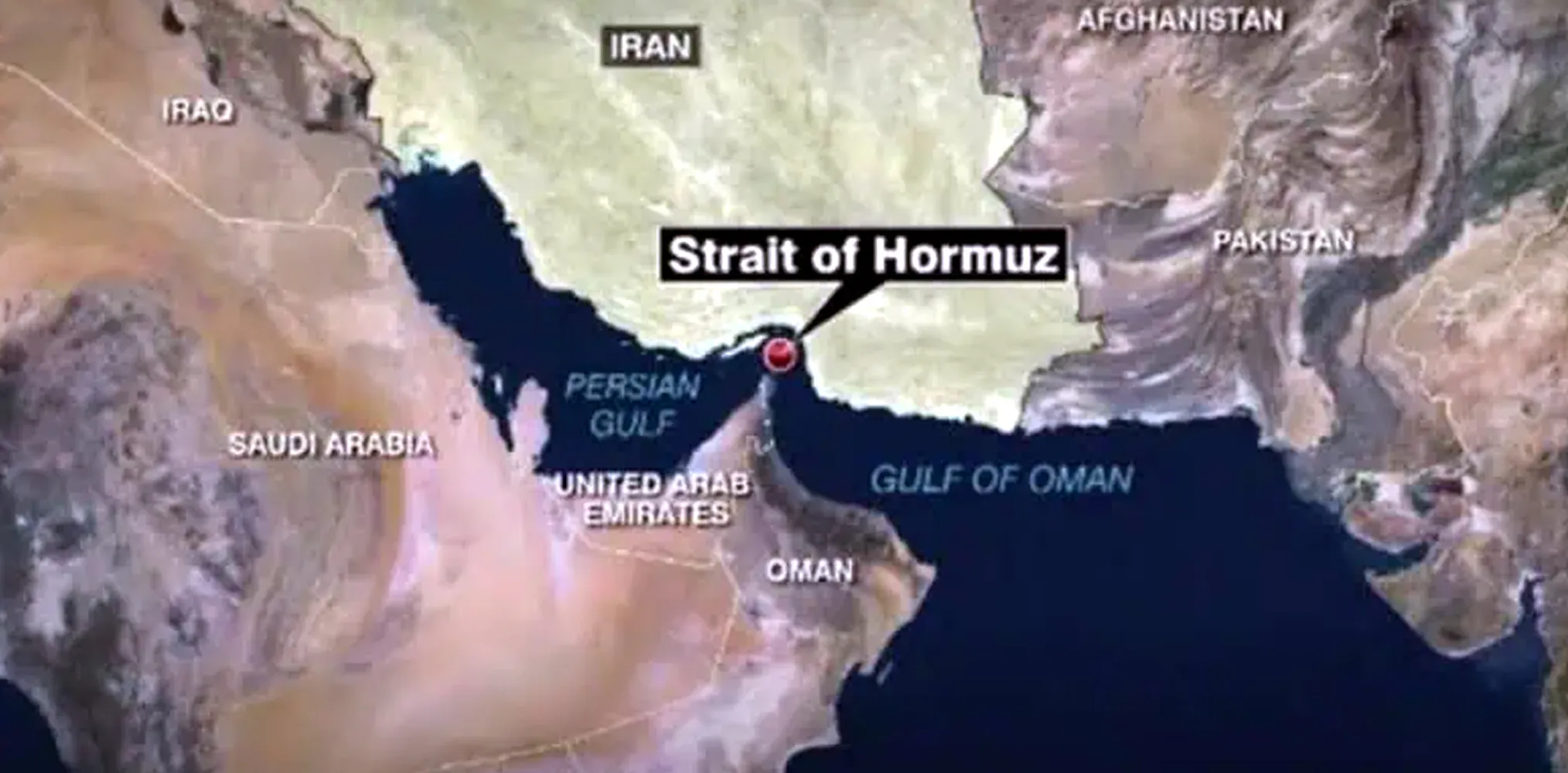
While the world celebrates a break from the brink of war, our newsrooms are too busy manufacturing skepticism to acknowledge a simple truth: the guns have stopped firing, regardless of who delivered the message.
“Give credit where it’s due, even if it is to your enemy” is the wisdom that seems to be missing from the current Indian media landscape. While the international community welcomes the fragile ceasefire in West Asia, however temporary it may be, India's corporate media and cultural elite are following a much different script.
Indian newsrooms are struggling to reconcile their long-standing image of Pakistan as a "terrorist state" with its sudden emergence as a "peace therapist."
To much of the world, Islamabad has successfully acted as a mediator. However, for Indian TV anchors, Pakistan’s new diplomatic role, backed by China, Turkey, Egypt and the Gulf, is being treated like a "local subscription" error, a glitch that the rest of the world accidentally signed up for and forgot to cancel.
Even those who view Pakistan as a "rogue nation" are not ignoring the harsh truth that whether its role was that of a high-level mediator or simply a "Dalal" (messenger), the result provided the world with a much-needed sigh of relief, at least, for now, from a potential global disaster.
Rather than acknowledging this contribution, many news anchors, acting more like a "war council" than journalists, are working overtime to cast doubt. Instead of reporting the facts of the truce, they are actively pushing panelists to maintain a skeptical and hostile stance toward Pakistan’s involvement in the peace process.
By labeling the mediators as mere "Dalals" (brokers), they are actively casting doubt on the peace process and appearing to prioritize their own propaganda over the evolving global reality.
The current television narrative reflects a blend of insecurity and strategic worry. There is an evident fear that if this ceasefire leads to lasting peace, Pakistan will parlay its success into a permanent diplomatic stronghold in West Asia, a development that underscores India’s absence from the negotiation table as a major strategic failure.
Rather than investigating why the U.S. and Israel chose a China-backed Pakistan to broker the ceasefire, the media is prioritizing a negative narrative against Islamabad.
Islamabad was chosen as the primary mediator over other allies due to a mix of geographic necessity, established diplomatic channels, and strong personal ties between key leaders. This choice reflects a practical diplomatic reality: Pakistan fills a specific, functional role that both Washington and Tehran found essential during this crisis.
The media's intense focus on discrediting Pakistan appears to be a strategic move to mask India’s own diplomatic absence. Despite its "Vishwa Guru" aspirations and claims of global leadership, New Delhi was unable to seize this critical moment to act as a primary peacemaker, leaving it sidelined while its neighbors took the lead.
This highlights a critical disconnect between international diplomatic recognition and domestic narrative-building. It is a narrative that tries to frame the successful mediators as illegitimate to counter the perception of India being sidelined in a region where it has deep energy and diaspora interests.
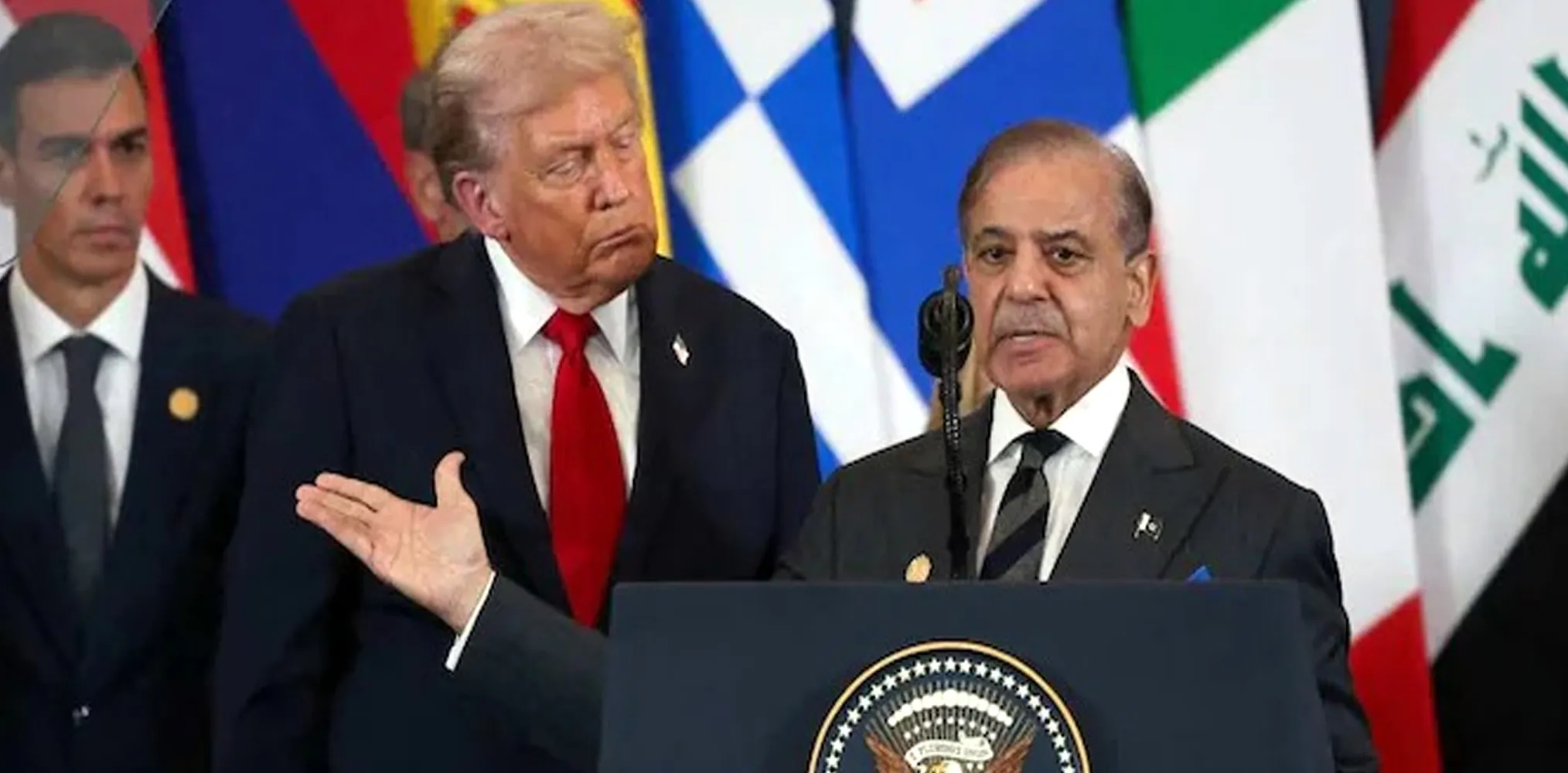
The fact that President Trump explicitly credited the "Pakistan-China axis" sends a clear signal: Washington and Tehran have already picked their preferred brokers. At this stage, no amount of negative media coverage aimed at Pakistan can change the reality of who is actually sitting at the negotiating table.
It’s the irony of the situation: that in the high-stakes game of stopping a global war, the international community appears willing to let a “Rogue Nation” play the role of a holy peacemaker, even if it leaves regional rivals feeling strategically "out of the loop."
It is a striking paradox: a nation often labeled "rogue" is now positioning itself as the savior preventing a global disaster. Meanwhile, the traditional regional power, which long aspired to be the "Vishwa Guru", is left watching from the sidelines, seemingly relying on its media to mask its diplomatic discomfort.
Whether the peace talks ultimately lead to a lasting solution or fall apart later is a separate issue entirely. For now, it makes more sense to stop cringing over the "rogue nation’s" role, if one cannot bring themselves to appreciate the result, they should at least acknowledge the reality of it.