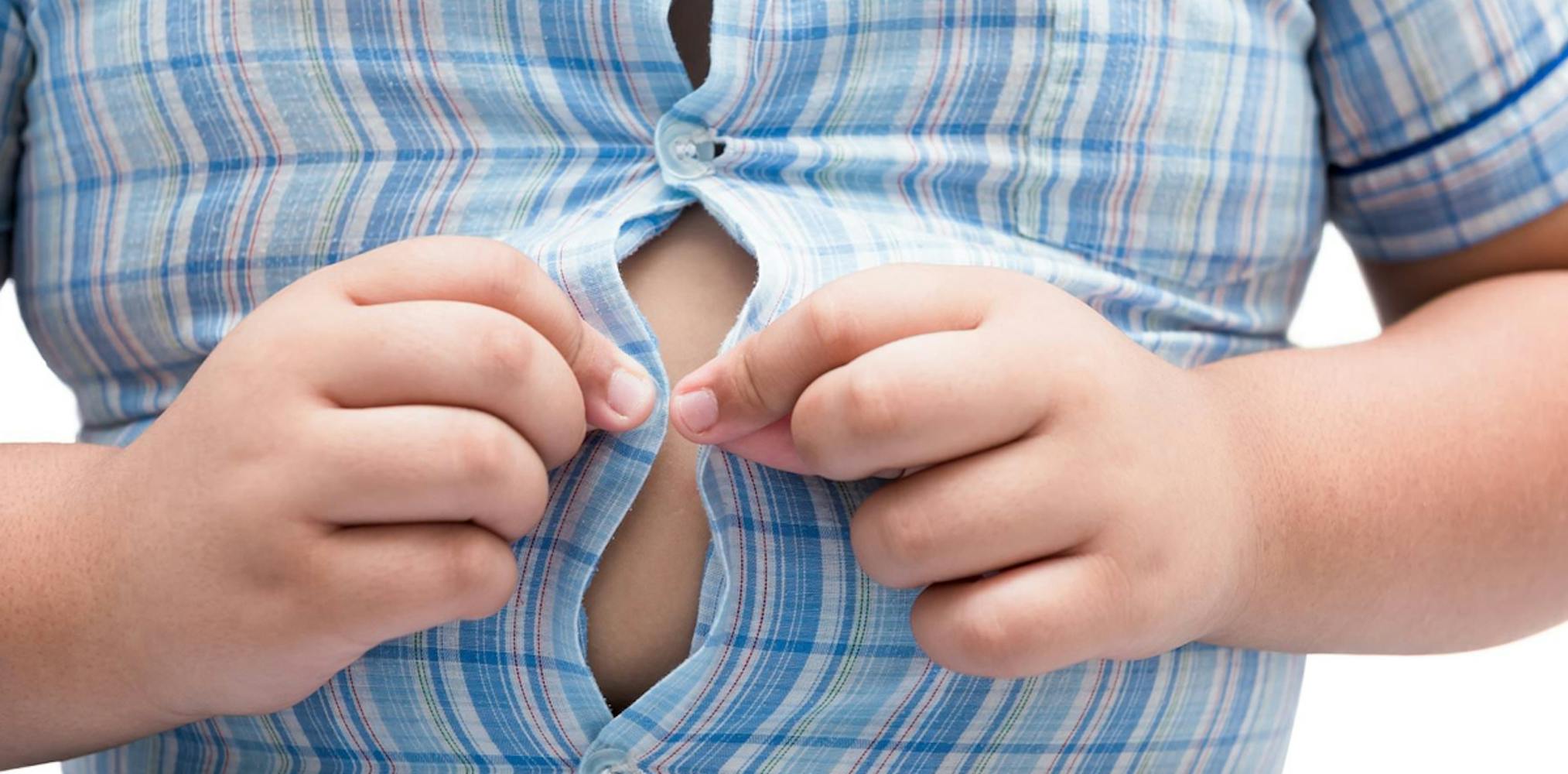
In Hyderabad, an alarming increase in the unsupervised use of diabetes and weight-loss medications has sparked serious concerns among medical professionals. With popular drugs like Ozempic, Wegovy, and Mounjaro being repurposed for cosmetic weight loss, physicians are warning that societal pressures and rampant social media trends are driving individuals to misuse these powerful treatments. The impending introduction of cheaper generic counterparts into the Indian market later this month is poised to exacerbate this troubling trend, as more individuals seek quick fixes for weight loss ahead of significant life events like weddings and parties, often without any medical necessity.
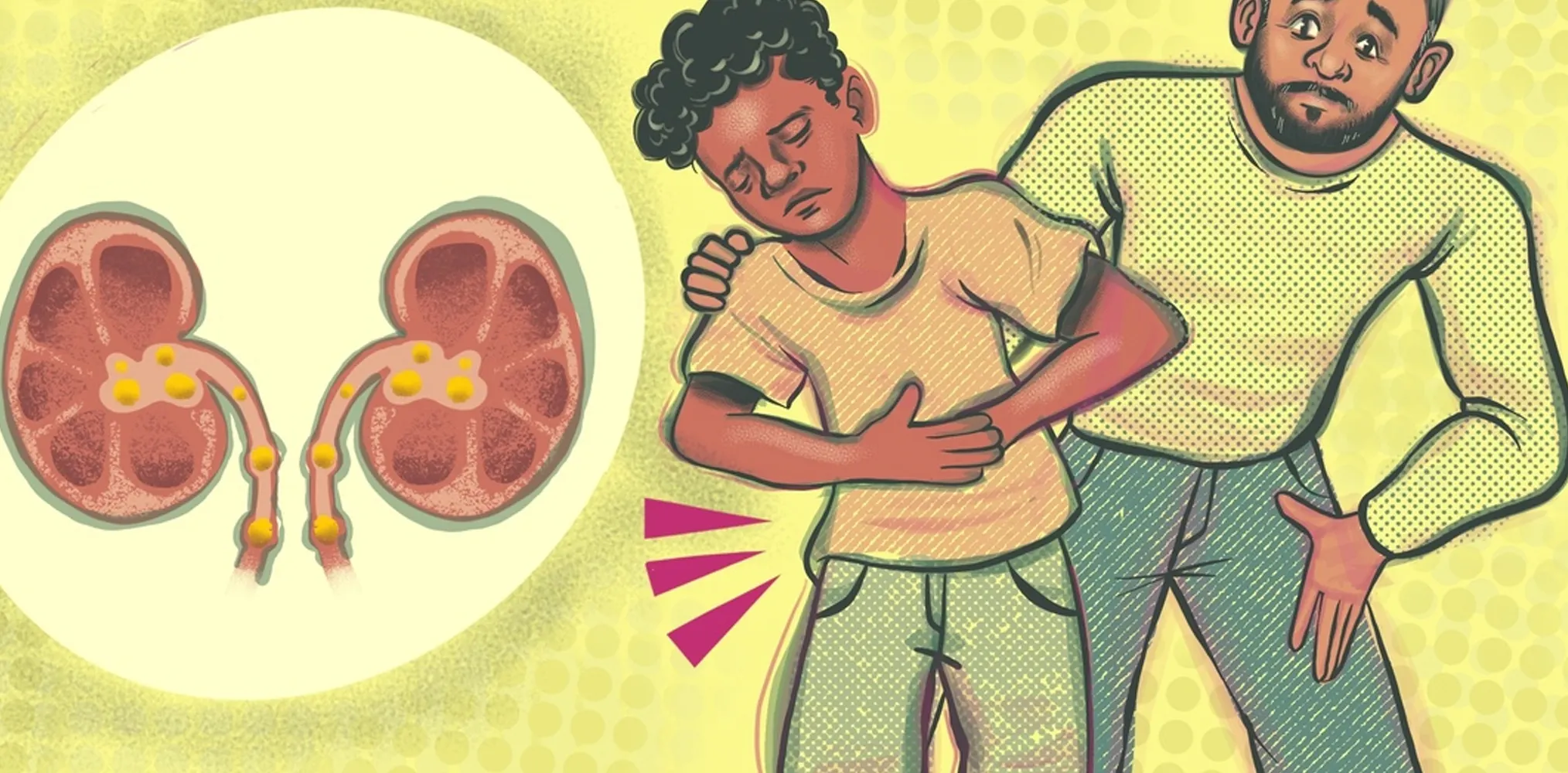
Health experts have observed a disturbing pattern, wherein individuals are increasingly acquiring these injectable GLP-1 agonists via over-the-counter sales and dubious online prescriptions. For instance, a recent case involving a 24-year-old woman from Madhapur highlights the risks of this self-medication; despite having a normal BMI of 24, she sought the drug for aesthetic reasons and subsequently experienced notable gastric complications. The ease of access to these medications, combined with casual recommendations from fitness trainers and beauty professionals, is compounding the issue, prompting doctors to emphasize the necessity of prescription-based use and medical oversight.
The rise in popularity of these medications can be traced back to their efficacy compared to previous weight-loss treatments, which often presented severe side effects and limited success. Drugs like semaglutide, found in Ozempic and Wegovy, function by mimicking GLP-1, a hormone that regulates appetite and blood sugar, while Mounjaro operates on both GLP-1 and GIP receptors. Although these medications can significantly aid in weight reduction—often facilitating a 10-15% loss under medical supervision—the misuse of these substances for non-medical purposes carries risks of adverse effects, including nausea and gastrointestinal distress, which are exacerbated by improper dosage.
As generics enter the market, the financial barrier that once limited access to these medications for patients with legitimate medical needs will diminish. Current monthly costs, ranging from ₹10,000 to ₹14,000, may plummet below ₹5,000. While this price reduction could be beneficial for those battling diabetes and obesity, it simultaneously raises concerns of increased misuse by individuals seeking rapid cosmetic results without understanding the associated health risks. Medical experts underscore the need for stringent regulations and heightened public awareness regarding the appropriate use of these drugs, lest we see a further escalation in their misuse.