"History reminds us that historical cities like Rome were built for public purpose, not political branding; unlike modern 'prop-cities,' their growth was a commitment to lasting utility rather than a temporary vehicle for electoral gains or graft”
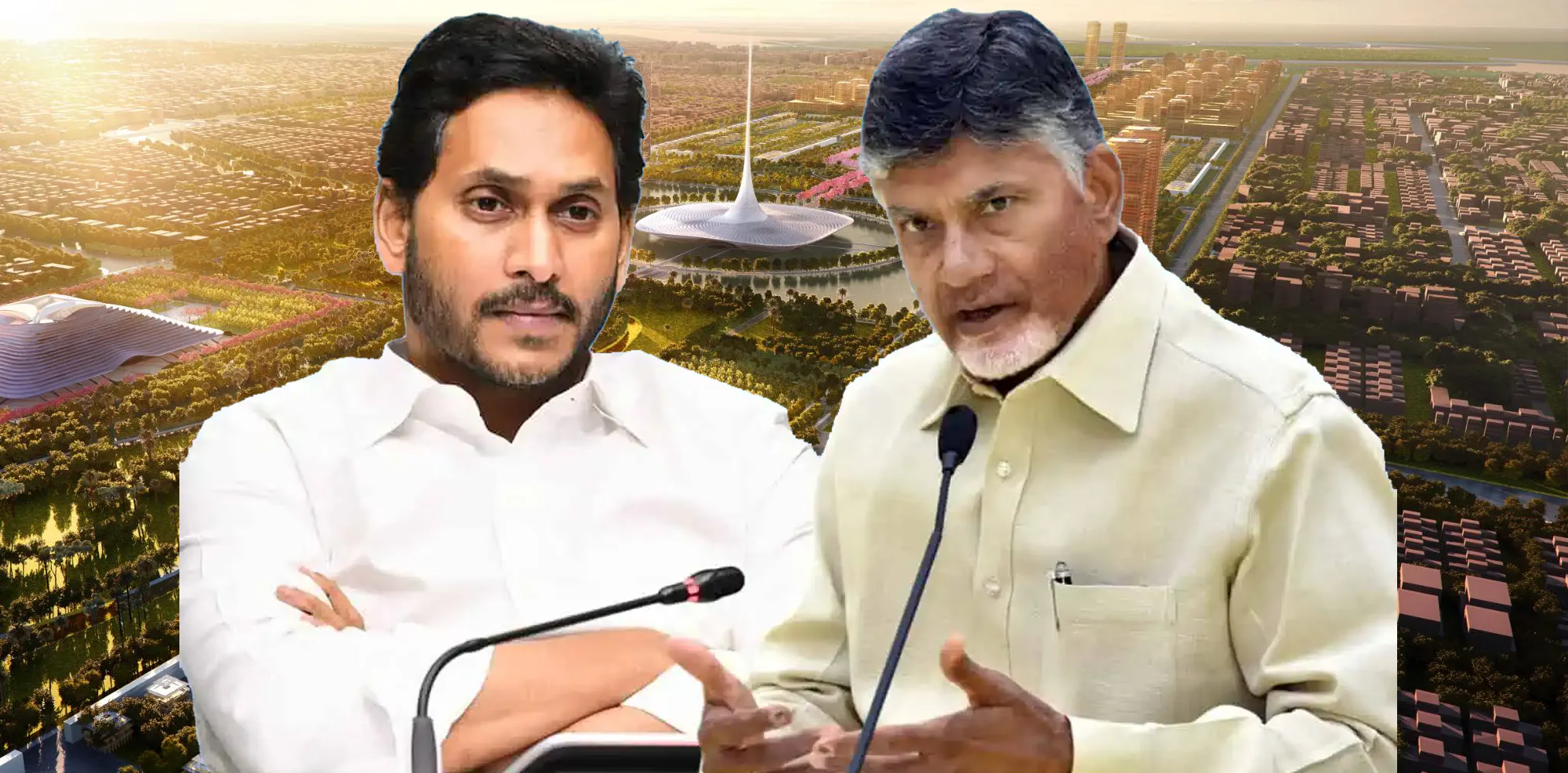
Finally, after a 12-year saga that felt like a magician pulling a world-class city out of an empty hat, Andhra Pradesh has officially declared Amaravati as its one true capital.
But this time, there’s a twist: a layer of parliamentary irony. In a strange constitutional first, the state, the supposed master of its own geography, had to seek a "babysitter" in the Union Parliament to give its capital statutory permanence, effectively locking and fixing the furniture to the floor so future governments, if any, can't move it again.
This journey has been less "urban planning" and more "political illusion" or rather a “fantasy ride on a wooden horse."
First, it was an "El Dorado" on paper; then, a "three-capital" punchline; now, it is back as the sole capital. For a decade, the public, taxpayers and farmers have watched this high-stakes juggle, wondering if they are looking at a ‘Mahismathi’, a Rajamouli’s graphic imagery in the making or just an expensive, green-screen projection serving as an electoral platform.
Yet, even with legislative immunity, the drama refuses to hit the closing credits.
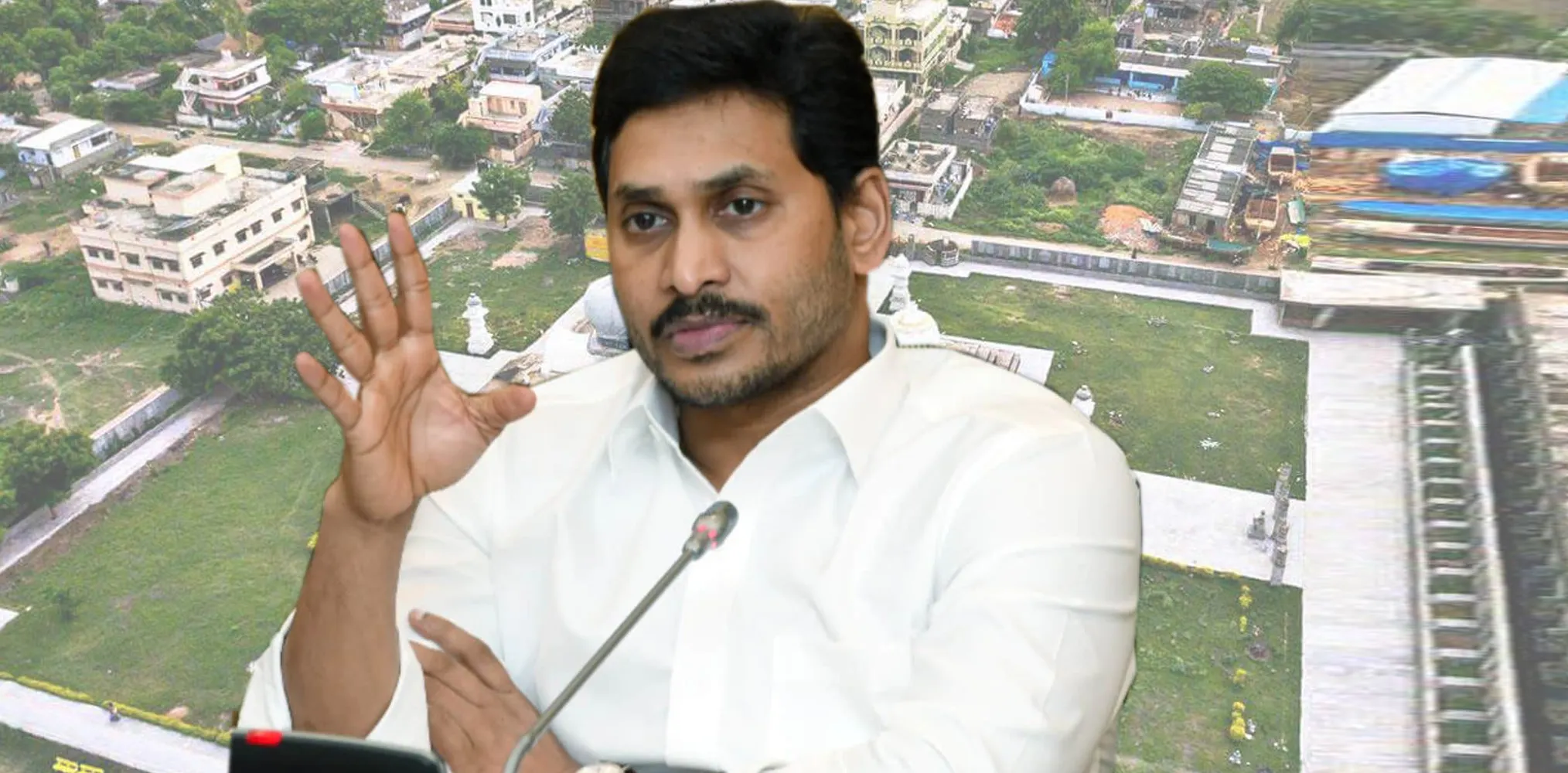
Opposition leader YS Jagan continues his "Dennis the Menace", the rule breaking kid routine, pulling a new trick from his pocket: the MAVIGUN corridor.
This proposal acts like a mischievous slingshot aimed directly at the government’s ₹2 lakh crore glass house, reigniting the debate over whether Amaravati is a blueprint for progress or a sophisticated scheme for corruption or a perennial prop for electoral politics.
While his proposal initially evoked ridicule, painting Jagan as a captain who has lost his map and backed himself into a political cul-de-sac, it has successfully triggered a populist math problem. While the government doubles down on a ₹2 lakh crore greenfield dream, his 110-km urban stretch claims to save ₹1.9 lakh crore by upgrading existing infrastructure.
The YSRCP’s dilemma is clear: they are currently ridiculed as "lost," and their leader a “fool”, for the deep-seated scepticism that took root following his previous, ill-fated Three Capital policy, despite of which, they have a potential populist trap ready if they can pivot from mischief to solid political programme.
If they can manage a coherent campaign, they might successfully frame Amaravati as a debt trap, a scheme for corruption and a permanent political prop.
If it has the will and wherewithal, it could posit itself to expose how the government is turning the project into a resource for electoral funding, and how the taxpayers would be left wondering if they were investing in a monument of progress or just footing an astronomical bill for a city that exists mostly in speeches and graphics.
The climate is conducive for such a massive calculated campaign, as the state’s debt climbs toward a staggering ₹7.11 lakh crore, the real magic trick might not be building a city out of thin air, but finding a way to pay for it before the next generation disappears under the bill.
Disclaimer: The financial figures cited, including the ₹2 lakh crore project estimate and the projected ₹7.11 lakh crore state debt, are based on current legislative proposals, opposition claims, and 2026-27 budgetary projections. Actual costs and savings may fluctuate based on market conditions, interest rates, and future policy shifts.