“Public-relations specialists make floral arrangements of the facts, placing them so the wilted and less attractive petals are hidden by sturdy blooms" — Alan Harrington
The above flowery statement suggests that the PR exercises of the government aren't lying; they are just rearranging the truth so you only see the part that looks good, hoping you won't notice the "rot" underneath.
For those fighting, war is a high-stakes game with fancy labels like "strategy" and "deterrence." But for everyone else, including those who take and don't take sides, it isn't a failure of politics, but just politics extended and embedded to be played for a domestic audience.
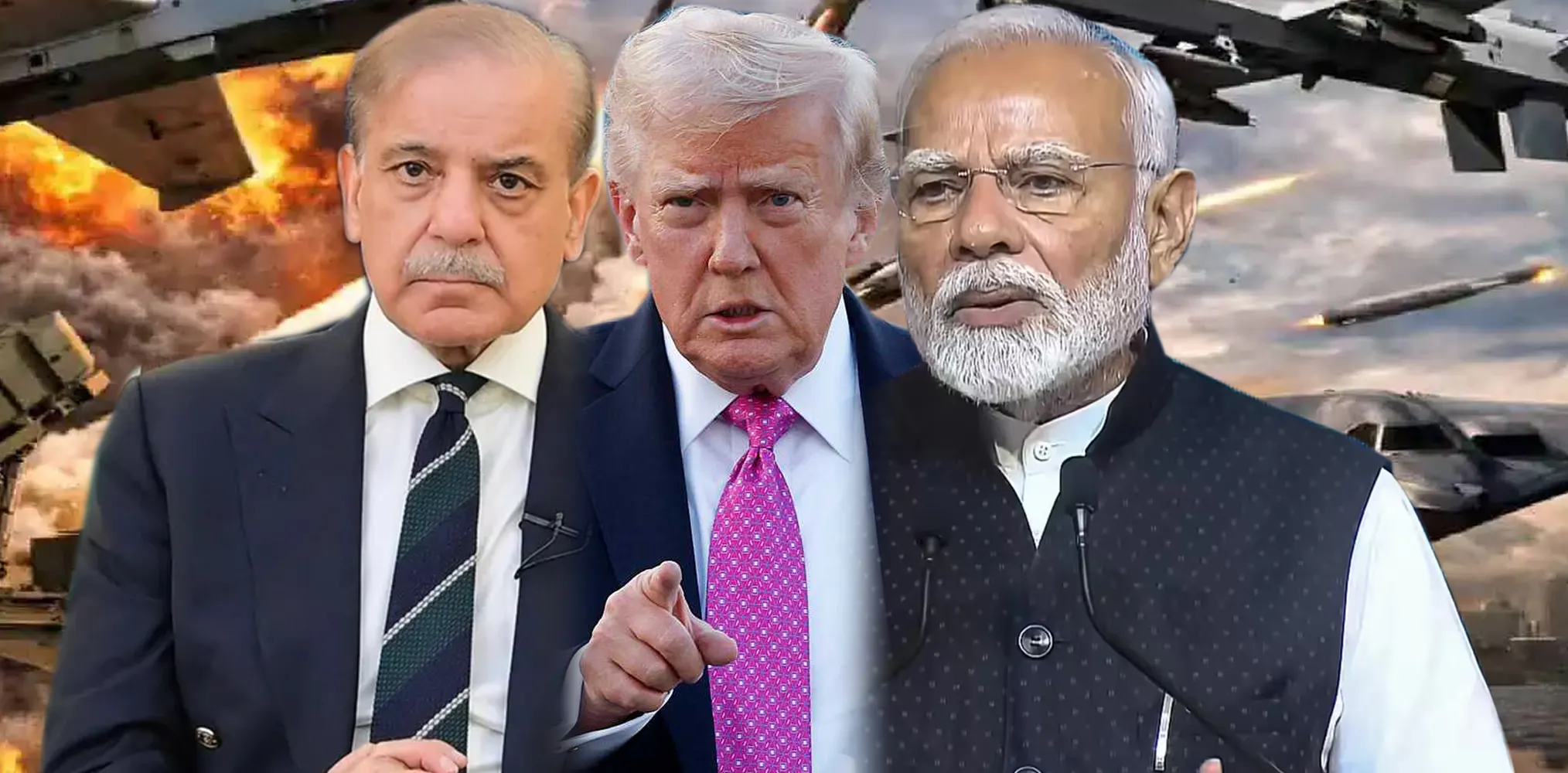
This irony became crystal clear when rumours surfaced that Pakistan might mediate between Iran and the U.S. Fearing they were being sidelined, the Indian leadership went into a total "jealous ex" mode.
In a desperate attempt at damage control, New Delhi threw out all diplomatic manners, calling Pakistan’s efforts "Dalali" (middleman business). The real fear? That Pakistan might actually succeed and steal the global spotlight as the venue for peace, again a knee-jerk perception.
India is desperately trying to stay relevant while speculations resonate that Pakistan is acting as the secret middleman between the U.S. and Iran. To look important for voters back home, the Indian leadership and its "IT Cell" are hyping up every tiny bit of praise as a "global endorsement."
Every mention of India, even a casual chat between Elon Musk and Trump, is being spun as proof that the U.S. can’t breathe without asking New Delhi first. It’s less about peace and more about winning the "diplomatic likes" game.
Indian media is obsessed with retired Colonel Douglas Macgregor’s comments. He mocked Pakistan’s role as "nonsense" and claimed the Indian Supreme leader is the only leader Trump actually respects. It’s the perfect PR story to hide the fact that India is actually being sidelined.
While India bragged about its "special bond" with Trump, he was busy praising everyone else, including Pakistan’s efforts to that effect. The comedy turned into a mess when Iran’s own envoy dismissed Pakistan’s mediation claims as "fake news," leaving everyone looking a bit foolish.
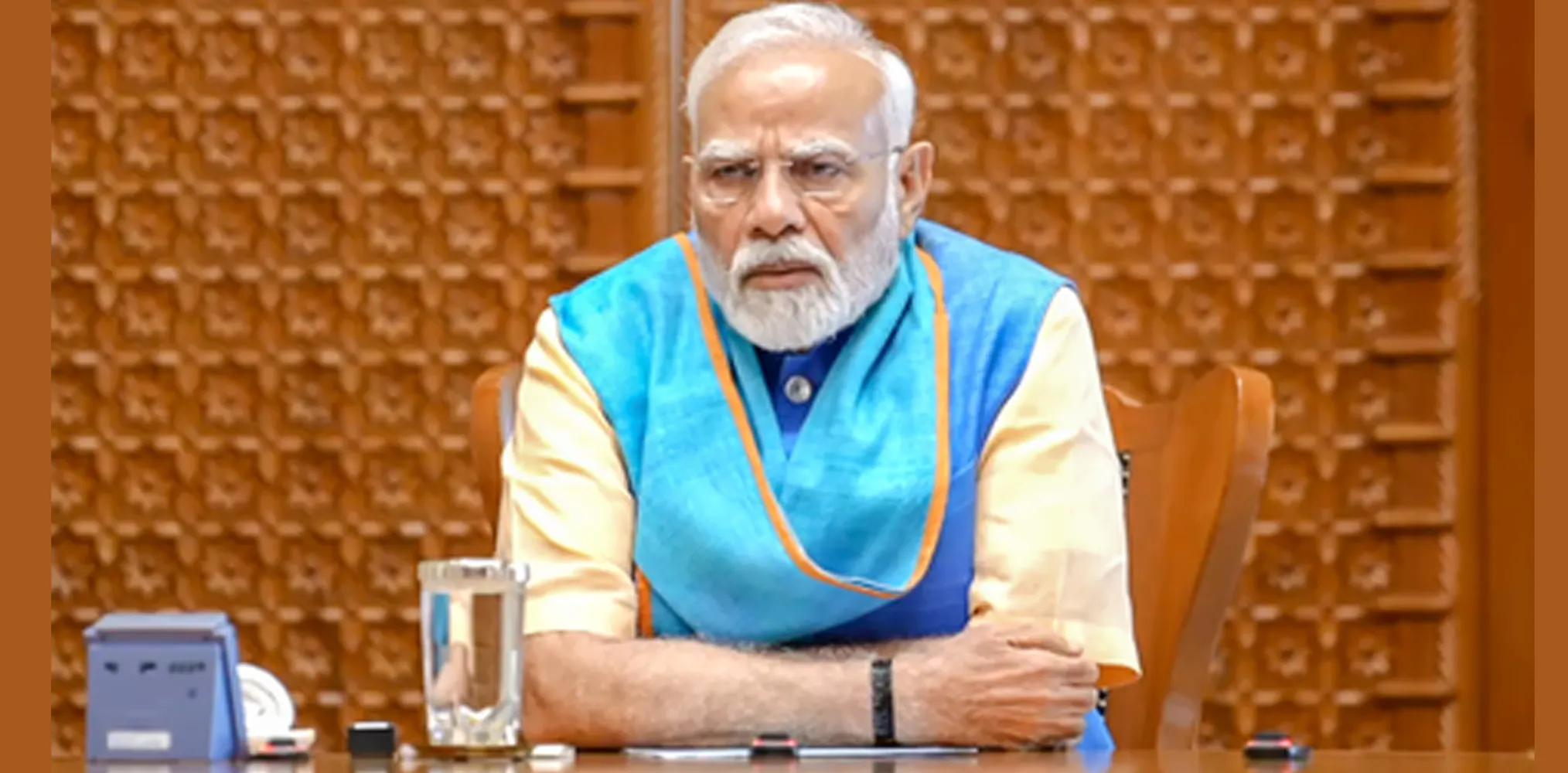
The Indian leadership aims to maintain a "Vishwa Guru" image by framing Pakistan as a desperate intermediary, emphasizing India’s own perceived strategic, moral authority over regional rivals.
Furthermore, this approach suggests that India's previous silence during the initial stages of the U.S.-Israel conflict with Iran was a major strategic error, rather than responsible statecraft, that has backfired.
India completely misunderstood the current diplomatic reality in West Asia. By treating a complex crisis like a quick-fire solution and relying only on U.S. and Israeli viewpoints, the leadership made a massive gamble. They bet on a quick Iranian collapse, which proved to be a catastrophic mistake.
This failure happened because New Delhi viewed the conflict through Israel's "tough-guy" lens. By blindly following Israel’s aggressive approach, India lost sight of actual power shifts and the bigger picture.
This situation proves that ideological bias has now replaced India’s traditionally independent strategic thinking, leaving its foreign policy hollow and misaligned with reality.
India ignored Iran and bet on its collapse instead of talking. But as soon as the crisis hit their own economy, New Delhi suddenly "remembered" their old friendship, just to beg for safe passage for Indian oil tankers.
Despite being sidelined, India is clinging to the U.S. to look important. By hyping up every phone call and using retired U.S. officials for publicity, the leadership is trying to convince everyone that Washington doesn’t make a move without asking them first.
These frantic efforts show that India has damaged its most valuable asset: its reputation as a fair and independent world leader.
By rushing to pick a side it thought would win, India missed a huge chance to lead the world. Instead, the government panicked when rumours suggested Pakistan might play the role of peacemaker.
Insulting peace talks as "Dalali" (pimping), in haste, overestimating Pakistan’s capabilities to that effect, was one of the biggest foreign policy mistakes in India’s history.
What was supposed to be a "masterstroke" turned into a disaster. Now, the self-proclaimed "Vishwa Guru" is forced to use desperate PR stunts just to stay relevant.