"The only thing necessary for the triumph of evil is for good men to do nothing." — Edmund Burke
It turns out that history doesn’t just repeat itself, but it has a knack of simply swapping the silk robes for tailored suits.
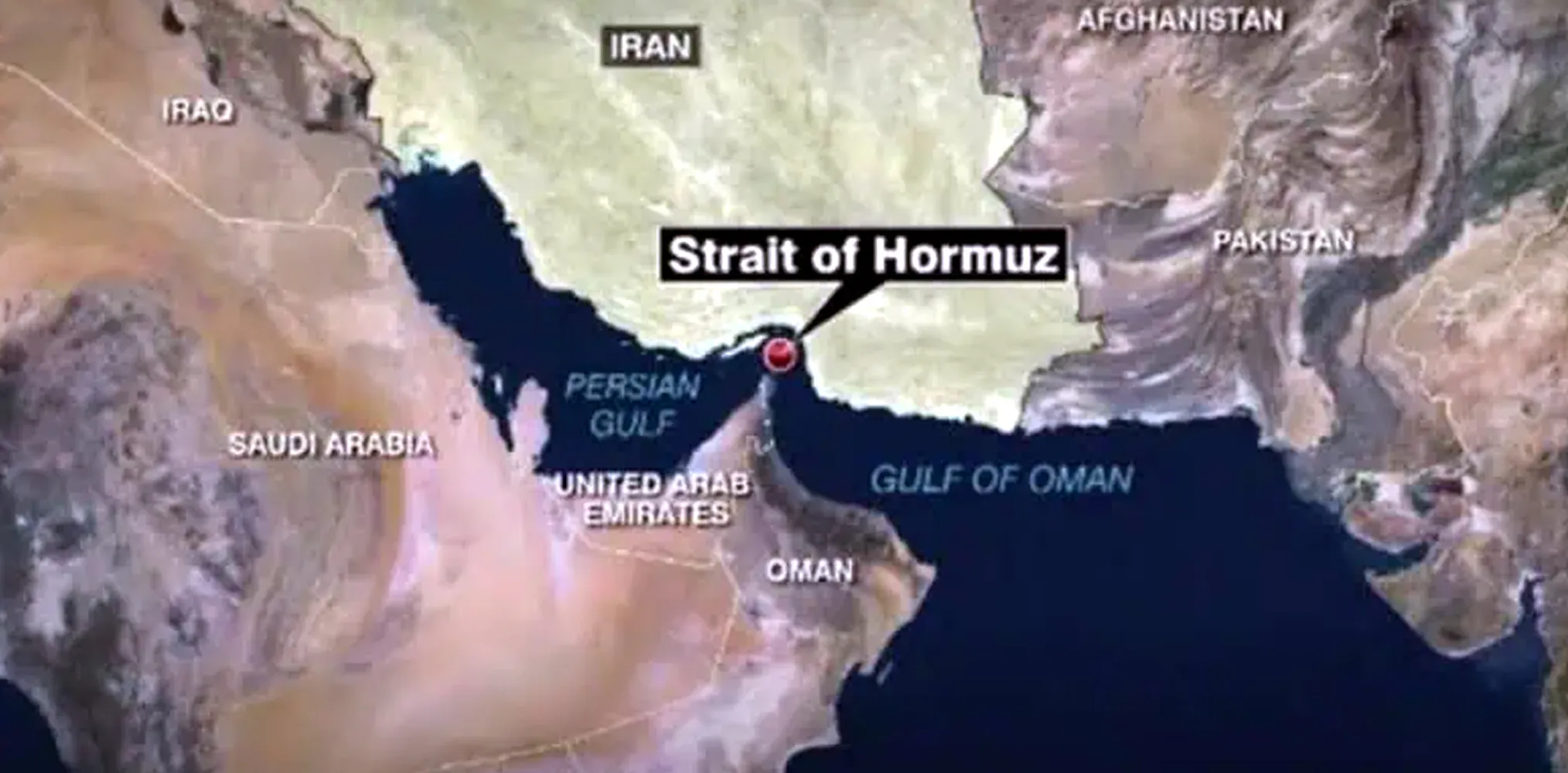
In a virtual summit called by the UK, around 60 nations, including India, gathered to discuss the Strait of Hormuz blockade.
For months, these countries played the role of the "Kuru Elders" from the Mahabharata. Much like the silent Bhishma and Drona who watched the disrobing of Draupadi while mumbling about "Complexities of Dharma," treating it as the personal dispute between Pandavas and Kurus, these nations watched the Middle East ignite while hiding behind the "complexities of diplomacy."
For the last 30+ days of the ongoing conflict, they were the ultimate bystanders. They looked the other way as missile and drone strikes hit Iran, viewing the escalating chaos as a "private dispute" between the US, Israel, and Tehran.
They remained silent, operating under the comfortable delusion that the "injustice" would never reach their own shores, perhaps convinced that, for the mighty US-Israel axis, crushing Iran, the perceived threat to the world’s peace, would be a "two-minute noodle" conflict, quick, easy, and served up before anyone else got burnt.
But then came the retaliatory chokehold on the Strait of Hormuz. Suddenly, the "dispute" wasn't just a headline, but was a heart attack for their own economies. The morality of the conflict didn't move them, but the rising cost of oil certainly did.
Like the elders on the Kurukshetra battlefield, who only realized the "systemic collapse" when their own kin started falling, these nations are having a sudden moment of clarity. They’ve stopped whispering about "strategic restraint" and started recalibrating their scripts.
Having allowed the mess to be created through their own silence, these modern-day elders are now frantically seeking a "peaceful exit" from a fire they helped fuel with their indifference.
The virtual summit, thus, is the Moral High-Grounder with an Asterisk.
As regards to India, it displayed a level of diplomatic dexterity that would make a Kuru elder weep with envy. While the Strait of Hormuz remains a graveyard for global energy flows, India has managed to find its voice at the virtual summit, but only in one frequency.
During the initial stages of the conflict, in what was a display of “strategic clarity” it found the courage to co-sponsor a UNSC resolution condemning Iran’s "egregious" attacks on Gulf nations in the strongest possible terms. But to Tehran’s retaliatory chokehold on the waterway, its vocabulary was rich with words like "unacceptable," "breach of law," and "threat to peace".
Under the sophisticated guise of "neutral diplomatic complexities," South Block has remained remarkably quiet about the bombing of Iranian soil or the killing of its Supreme Leader. This is not "silence," we are told that it is "Strategic Autonomy", a specialized Indian 'rope trick’, where one condemns the reaction while politely ignoring the action.
The irony reached its peak at the summit. India, the only nation to have lost mariners in the crossfire, is now the one begging for a "peaceful exit" from the mess it refused to call out.
While publicly condemning Tehran at the UN, Indian diplomats had simultaneously engaged in quiet back-channels with the same "aggressor" to ensure that Indian-flagged tankers get a "special pass" through the blockade.
As the summit concluded without a joint statement, one thing was clear: India’s "neutrality" is perfectly balanced, one foot in the condemnation camp, and the other in the "please-don't-stop-the-oil" camp.
It’s a classic script of modern-day ‘Draupadi Disrobing” act of staying silent during the injustice and Kuru lesson relearned, and then act surprised when the consequences come for your bank account.
In the grand theatre of the Hormuz crisis, the bystanders have finally realized that when you watch a house burn and do nothing, the smoke eventually fills your own lungs.
It is a sobering realization that finds its ultimate echo in Rahat Indori’s piercing lines: “Lagegi aag toh aayenge ghar kai zad mein, yahan pe sirf hamara makaan thodi hai.”(When the fire breaks out, many houses will be caught in the flames/it isn’t as if only my house is located here.)
The "Bystander Club" has finally grasped the grim geography of global conflict: when you let your neighbour’s house burn, the wind eventually carries the embers to your own roof.