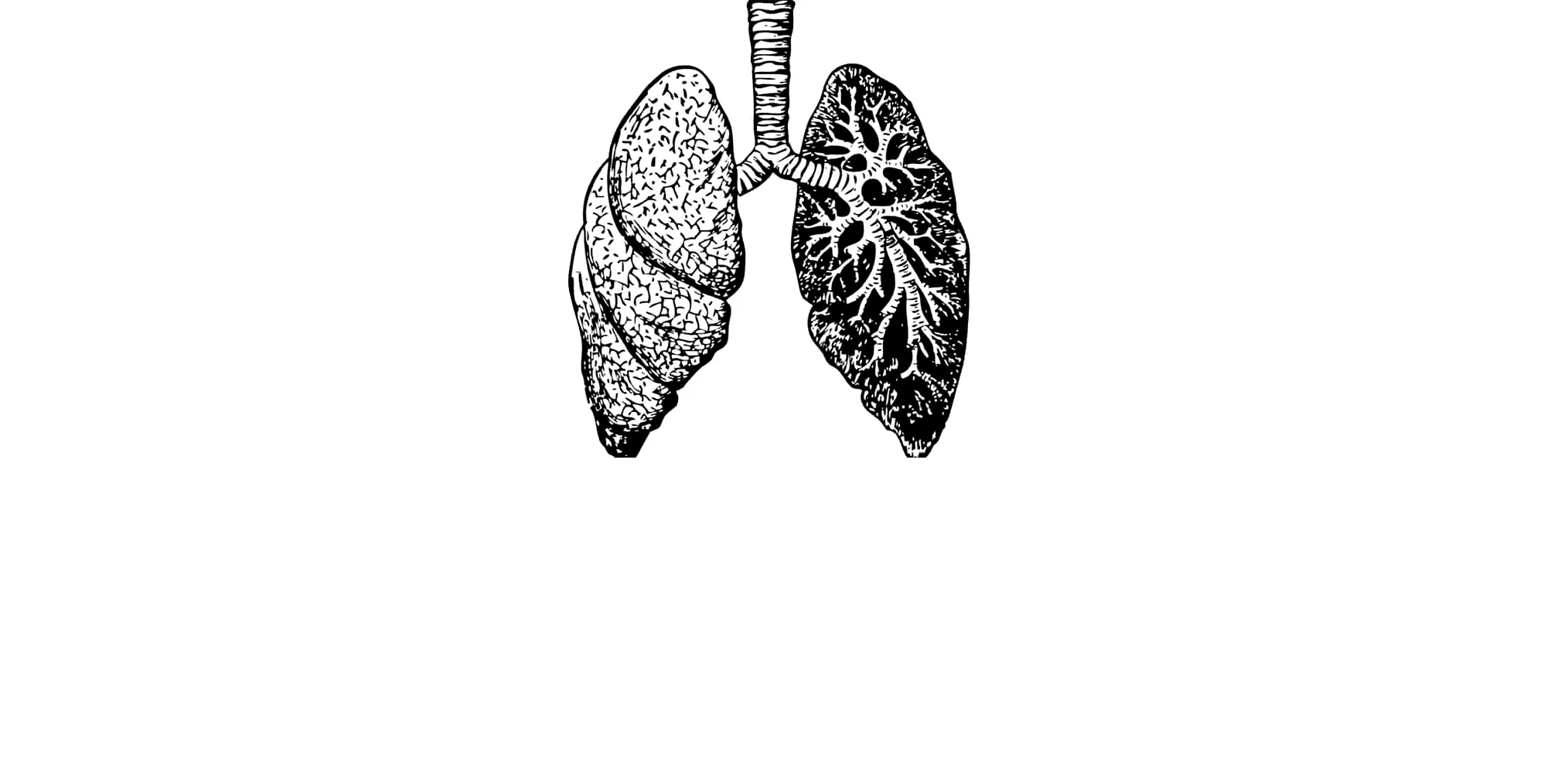
Despite the instinctive nature of breathing, many individuals are blissfully unaware that their lungs may be underperforming. Even when breathing feels normal, hidden deficiencies often lurk beneath the surface, with symptoms such as unexplained fatigue and mild breathlessness acting as subtle indicators that lung health is compromised. According to Dr. Harish Verma, Associate Director of Pulmonary Medicine and Critical Care at ShardaCare-Healthcity, the gap between merely breathing and breathing well can significantly impact overall health, energy levels, and immune function over time. This discrepancy serves as a crucial reminder that normalcy in respiration does not equate to optimal lung performance.
The complexities of modern living exacerbate the challenge of maintaining lung health. Factors such as sedentary lifestyles, air pollution, and prolonged periods of inactivity can lead to a gradual decline in lung capacity and efficiency. Research from the National Institutes of Health has established a direct correlation between urban air pollution and diminished lung function across demographics, while the Ministry of Health and Family Welfare has raised alarms about rising respiratory issues tied to poor air quality. This insidious decline often occurs without immediate symptoms, allowing individuals to unknowingly neglect their lungs until more serious conditions develop.
Moreover, the body communicates its distress through subtle, often overlooked signs. Symptoms such as unexplained fatigue, shortness of breath during minor exertions, and persistent coughing do not typically register as urgent health concerns yet collectively suggest that lung function may be faltering. The modern lifestyle, characterized by indoor pollution, stress, and inadequate physical activity, further complicates lung health. As these factors contribute to chronic respiratory issues, awareness and proactive measures become imperative for individuals seeking to reclaim their respiratory well-being.
Improving lung function may hinge on consistent lifestyle changes rather than reactive treatments. Simple yet effective practices such as regular physical activity, deep breathing exercises, and enhancing indoor air quality can lead to significant improvements in lung capacity. Experts emphasize the importance of maintaining cardiovascular health, as compromised heart function can further hinder respiratory efficiency. With a clear understanding of the intricate relationship between heart and lung health, individuals can better appreciate the nuanced signals their bodies provide, ensuring that attention to lung function becomes a central aspect of their overall wellness strategy.