"When authority replaces communication with intimidation, it abandons the rational debate needed to justify its power, turning governance into a performance of fear”
Recall the folklore about an arrogant king who developed an awkward, clumsy limp. Horrified that street performers and tavern-goers were mocking his ungraceful walk, the insecure ruler bypassed all common sense and issued a draconian decree banning the words "leg" and "limp" under threat of severe punishment.
However, much to his chagrin, the clever citizens simply invented new slang and coded jokes to describe his walk. This rendered the king so paranoid that he eventually banned almost the entire language to enforce compliance.
The latest decision of the TDP-led alliance government in Andhra Pradesh to crack down on social media dissent finds a perfect parallel in the draconian decree of the king in that folklore.
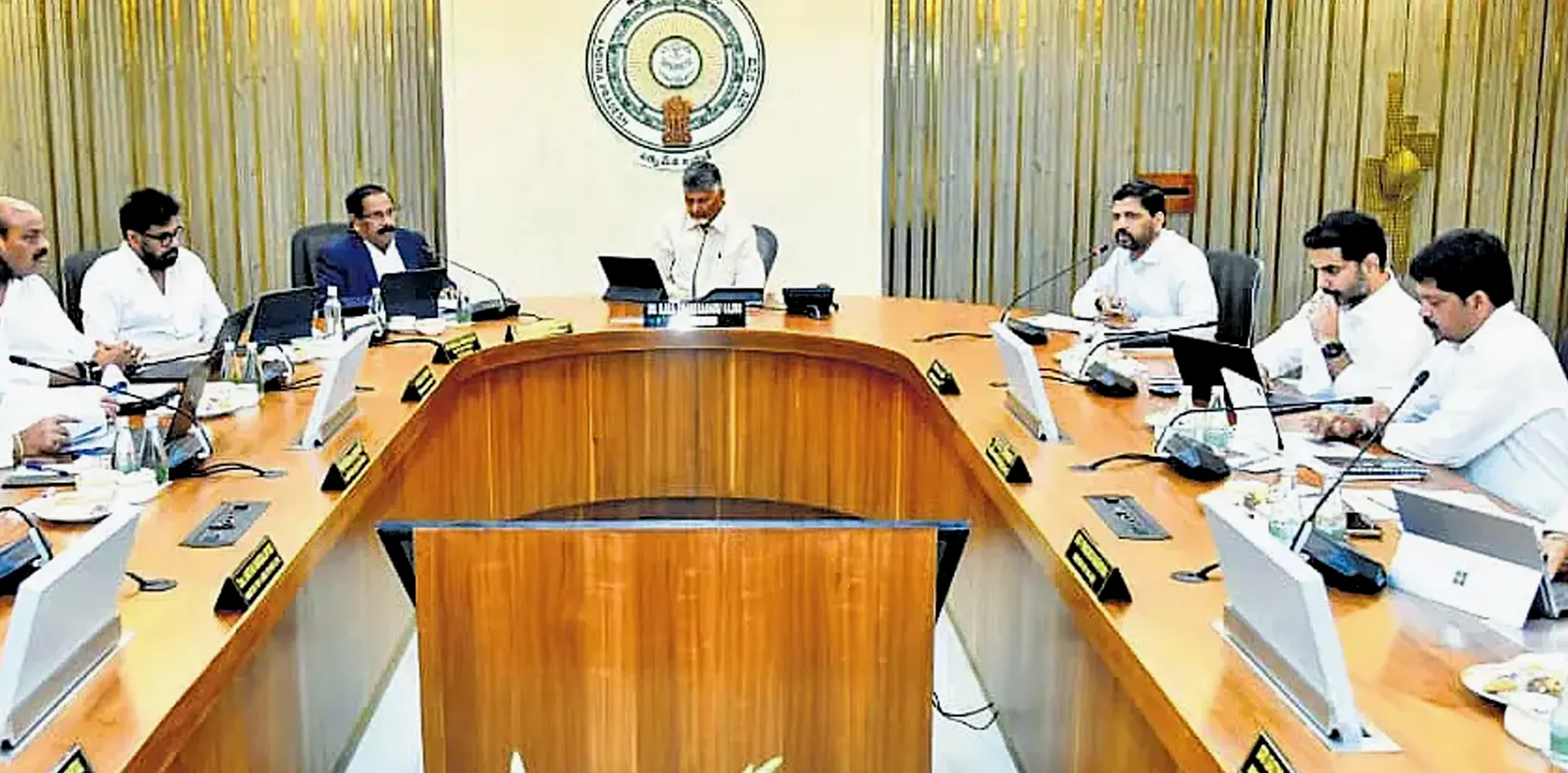
If reports are to go by, the Andhra Pradesh Cabinet approved the formation of a dedicated State Task Force and Social Media Response Cell to crack down on online abuse, character assassination, and misinformation. While maintaining that it respects democratic dissent, the administration states it aims to stop deliberate digital defamation and cyberbullying.
Much like the king in the folklore, the Andhra Pradesh government seems to have realized that fixing the actual "limp" in its governance is far too difficult. Instead, it has decided to institutionalize a modern-day royal guard to simply ban online criticism.
Detractors have termed it a knee-jerk reaction to shield political egos from the ultimate weapon of free expression—the only recourse a disappointed public has to question the government’s shortcomings. The state has officially institutionalized this State Level Task Force under the ruse that the security architecture is purely a shield against "cyberbullying" and "character assassination.”
Critics suspect it functions more like a digital net designed to catch rogue smartphone users who commit the grave crime of asking uncomfortable questions online. Under the guise of maintaining law and order, the political strategy appears to aim at transforming vibrant digital town squares into quiet, echo chambers of polite applause.
The million-dollar question is: Why is a visionary government, famed for its expertise in "real-time governance," suddenly so wary of citizens using cheap smartphones to destroy months of expensive public relations campaigns? Is it worried that a single viral video or sharp meme questioning its alleged failures can instantly debunk official claims of progress?
If yes, why is the government trying to mimic the king in the folklore instead of countering the narrative through its own communication strategies?
The move to crack down on social media dissent suggests the government is steering clear of traditional communication strategies for a very simple reason: setting up a genuinely positive narrative is exhausting. Painting a picture of perfect governance is impossible when actual infrastructure failures tell a completely different story. The public feels a responsibility to share these breakdowns online, hoping the government will notice them and fix the problems.
Furthermore, it appears that official press releases about "steady progress" simply cannot compete for views with a hilarious, fast-paced parody video.
This is quite an irony for a government led by a visionary, CEO-styled Chief Minister and a deputy Chief minister with a heroic, "Power Star" reputation. Yet, instead of using that creative energy to fight a meme with another meme, which requires wit, the administration has decided that fighting a meme with a task force only requires a government signature.
Perhaps the government feels that spending millions on a high-end PR agency to change hearts and minds would further burden a fiscally deficit state. When a swift legal threat can force a user to hit "delete," why waste brainpower on counter-communication strategies?
Exploring harsh methods to silence dissent is like flipping the game board when you realize you are losing. Moving forward, citizens should be careful what they post. Sharing an opinion on the government's broken electoral promises could soon require an official clearance certificate. Similarly, questioning a minister’s silence on a major law and order crisis could be flagged as a malicious attempt to damage their carefully built, powerful image.
Ultimately, the new Social Media Response Cell wants to ensure that public perception is manufactured entirely inside official boardrooms, not in local WhatsApp groups. By choosing intimidation over conversation, the administration avoids the tiring chore of answering difficult questions.
After all, just like the kingdom that fell into absolute silence under the limping king, a quiet internet is much easier to manage than an informed public. The administration wants the public to know that it welcomes all kinds of feedback—as long as that feedback is a compliment, typed in capital letters, and accompanied by a thank-you note.
By setting up a "Task Force" to regulate (Read to silence) online criticism, this visionary government is accidentally making a major confession. It is admitting to the public that a few ordinary online voices and internet jokes actually have the power to terrify them.