“A prince is also respected when he is a true friend and a true enemy... This course will always be more advantageous than remaining neutral”
This Niccolò Machiavelli’s observation made in his classic political treatise “The Prince”, infers that attempting to hide behind selective neutrality eventually leaves a leader completely isolated, satisfying neither side when a crisis hits.
It is a timeless lesson in statecraft, an elegant theory of cold, calculating realpolitik, that New Delhi is currently learning the hard way. The leadership is finding out that when you try to treat strategic alliances like permanent red-carpet photo-ops, a sudden geopolitical curveball can leave you trapped between your core national interests and your domestic PR.
In Aesop’s famous fable, a fox invites a crane to dinner but serves soup in a shallow dish. The fox laps it up happily, while the long-beaked crane goes home hungry.
Centuries later, in 1959, against the backdrop of an ideological and geopolitical rivalry known as the Sino-Soviet split, a narrative in which Nikita Khrushchev’s policy of "peaceful coexistence" with the West was perceived as a betrayal of communist ideology, Chairman Mao Zedong perfected this art of hostile hospitality.
Furious at the Soviet leader for spending 13 high-profile days flirting with the United States before visiting China, Mao hosted their formal diplomatic meeting at his private outdoor swimming pool. Khrushchev, who could not swim, was forced to float uncomfortably in a rubber ring while Mao swam laps around him, casually stripping the superpower leader of his dignity.
Both the fable and its historical diplomatic parallel teach us that an invitation from a geopolitical rival is rarely about genuine goodwill. It is often a beautifully staged trap designed to make the guest look utterly ridiculous.
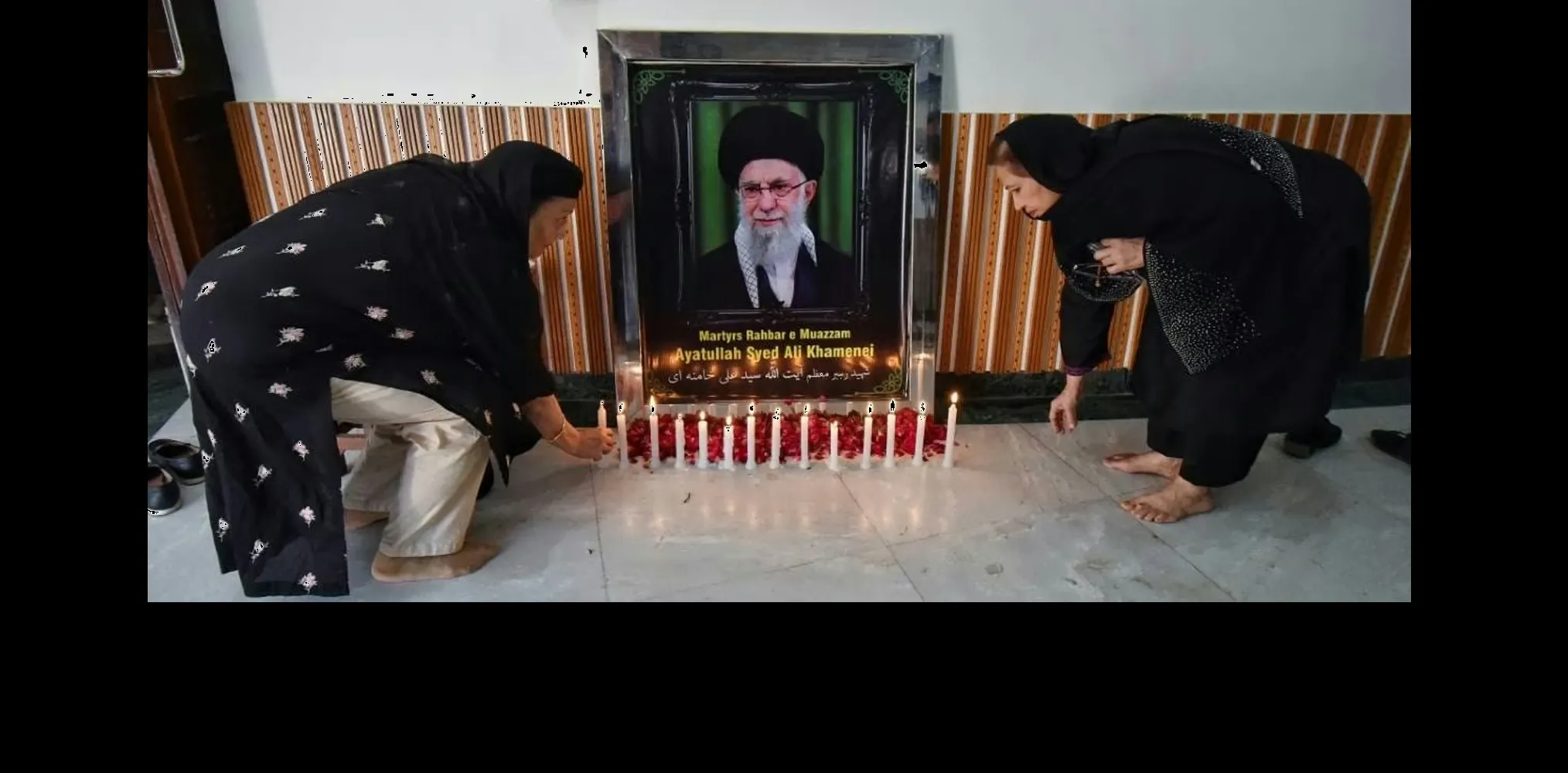
Enter "Naya Bharat" (New India), where the leadership has been practicing its own masterclass in political theater, heavily utilizing the "Great Indian Mute Button." Under the grand banner of "Strategic Autonomy," New Delhi has cleverly mastered the art of selective silence. When Iran's Supreme Leader Ayatollah Ali Khamenei was assassinated, India’s leadership suddenly found the world’s, as well as Iran’s, problems too quiet to comment on.
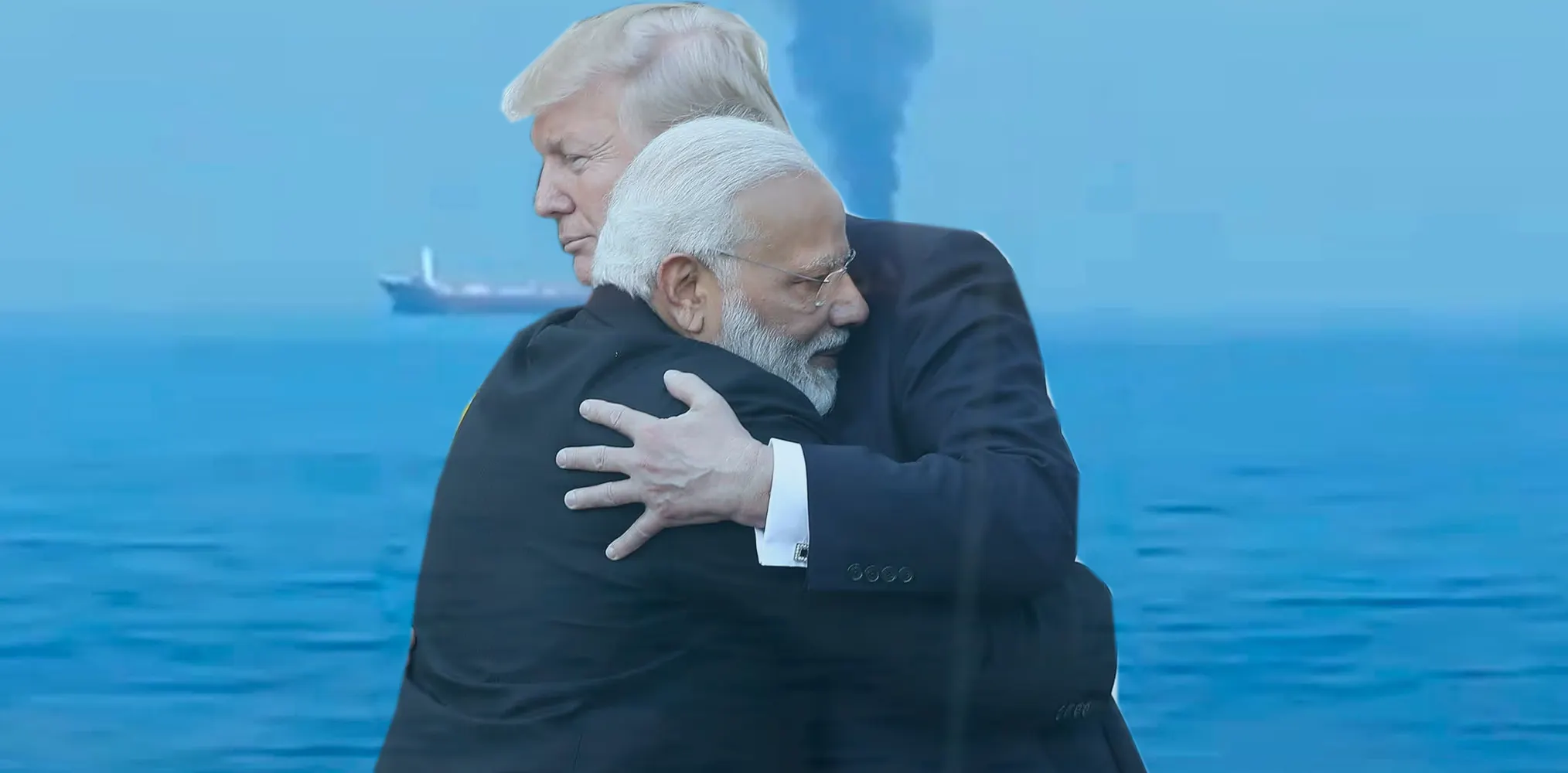
When airstrikes hit schools and military targets across the Middle East, New Delhi looked the other way, busy sending warm tweets of solidarity to the UAE and issuing vague, algorithmic calls for "general restraint." This "Special Strategic Partnership" with the West, coupled with playing the role of a muted audience to Iran's crisis, looked a lot like "Selective Solidarity" to the rest of the world. It was a very smart, very quiet game of ignoring Iran while aggressively winking at Washington and Tel Aviv.
But cricket analogies exist for a reason, and Tehran just bowled an absolute googly that bypassed India's defensive bat entirely. By formally inviting the Indian leadership to attend the funeral, Iran did not just solicit a routine word or two of condolence; it handed New Delhi a diplomatic live grenade. You cannot easily press the mute button on a funeral invite.
Tehran’s move is a masterstroke of diplomatic irony: they have invited the very leader who ignored their tragedy to come and publicly weep for it. This sudden invitation forces New Delhi out of its comfortable, silent corner and straight into the blinding glare of the international spotlight.
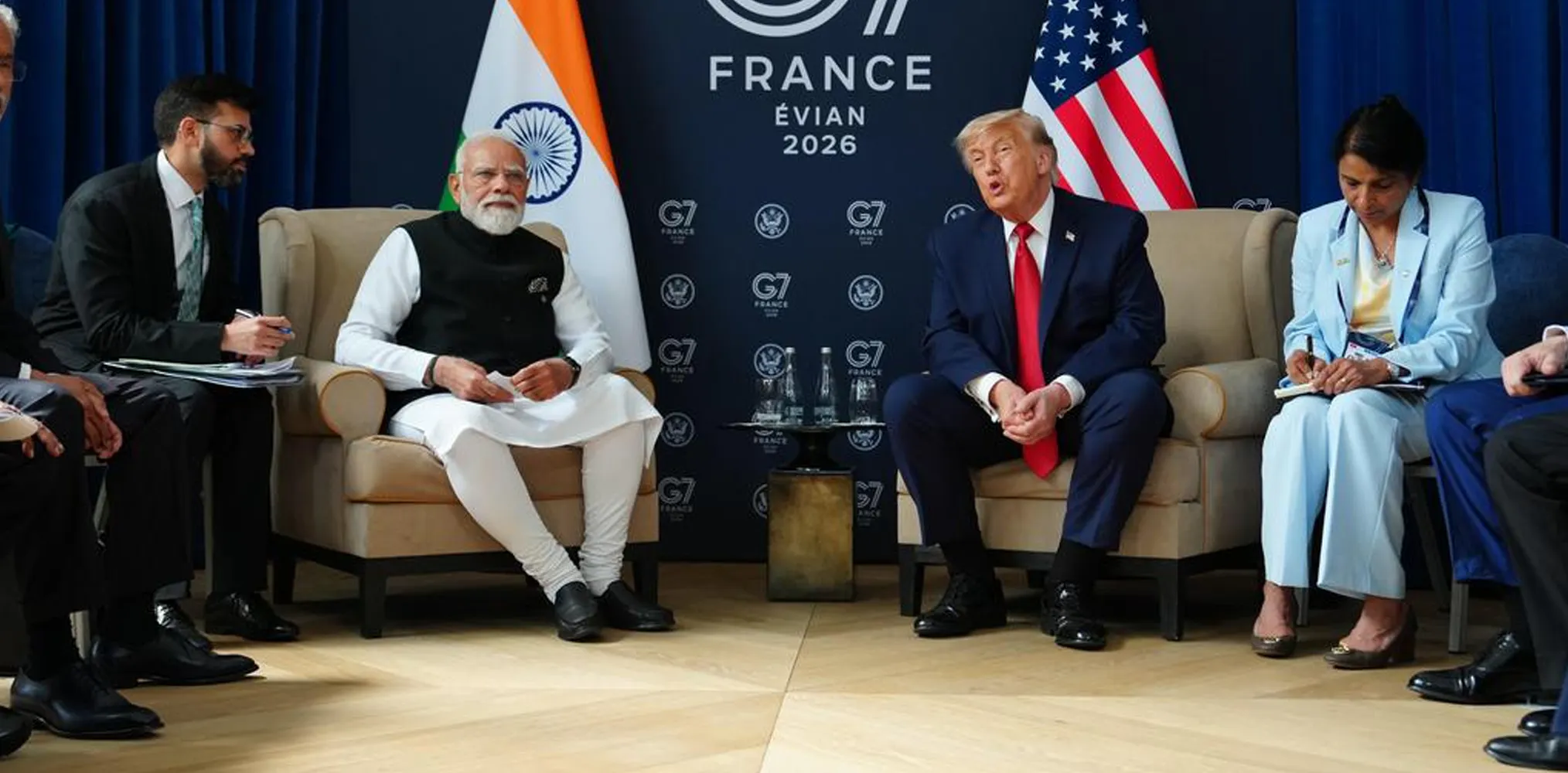
Now, the Indian leadership faces a historic dilemma that no amount of diplomatic jargon can smooth over. Should the leadership pack its bags for Tehran, the resulting television broadcast promises pure geopolitical comedy. Standing shoulder-to-shoulder with the leaders of Iran and Pakistan is a photo-op that would instantly trigger panic attacks in Tel Aviv and cause furious tweets from a watchful Donald Trump in Washington.
Closer to home, this optics nightmare offers absolutely zero potential for chest-thumping domestic propaganda. It is remarkably difficult for the leadership's internet fanbase and its IT Cell warriors to hype up a somber foreign funeral alongside global outcasts, especially when they are accustomed to cheering for glossy, red-carpet photo-shoots on foreign soil alongside the world's most powerful leaders, exchanging melodious, sugary moments.
Conversely, if New Delhi rejects the invite or sends a low-level emissary, India risks permanently damaging its historic, centuries-old ties with Iran and exposing its "Strategic Autonomy" as a total myth.
For a political leadership that spent a decade trying to be everyone’s best friend, the geopolitical chickens have finally come home to roost.
From a cynical perspective, Iran has just served up its own version of Aesop’s shallow dish of soup, and the global community is eagerly leaning in to watch India figure out how to navigate the spoon without spilling its carefully curated alliances.