“Woh jhoot bol raha tha bade saleeqe se / Main aitbaar na karta to aur kya karta” (He was telling the lie with such exquisite skill and elegance / What choice did I have but to believe it?)”
This profound couplet by Waseem Barelvi perfectly mirrors Niccolò Machiavelli’s timeless political observation: “Everyone sees what you appear to be, few experience what you really are.”
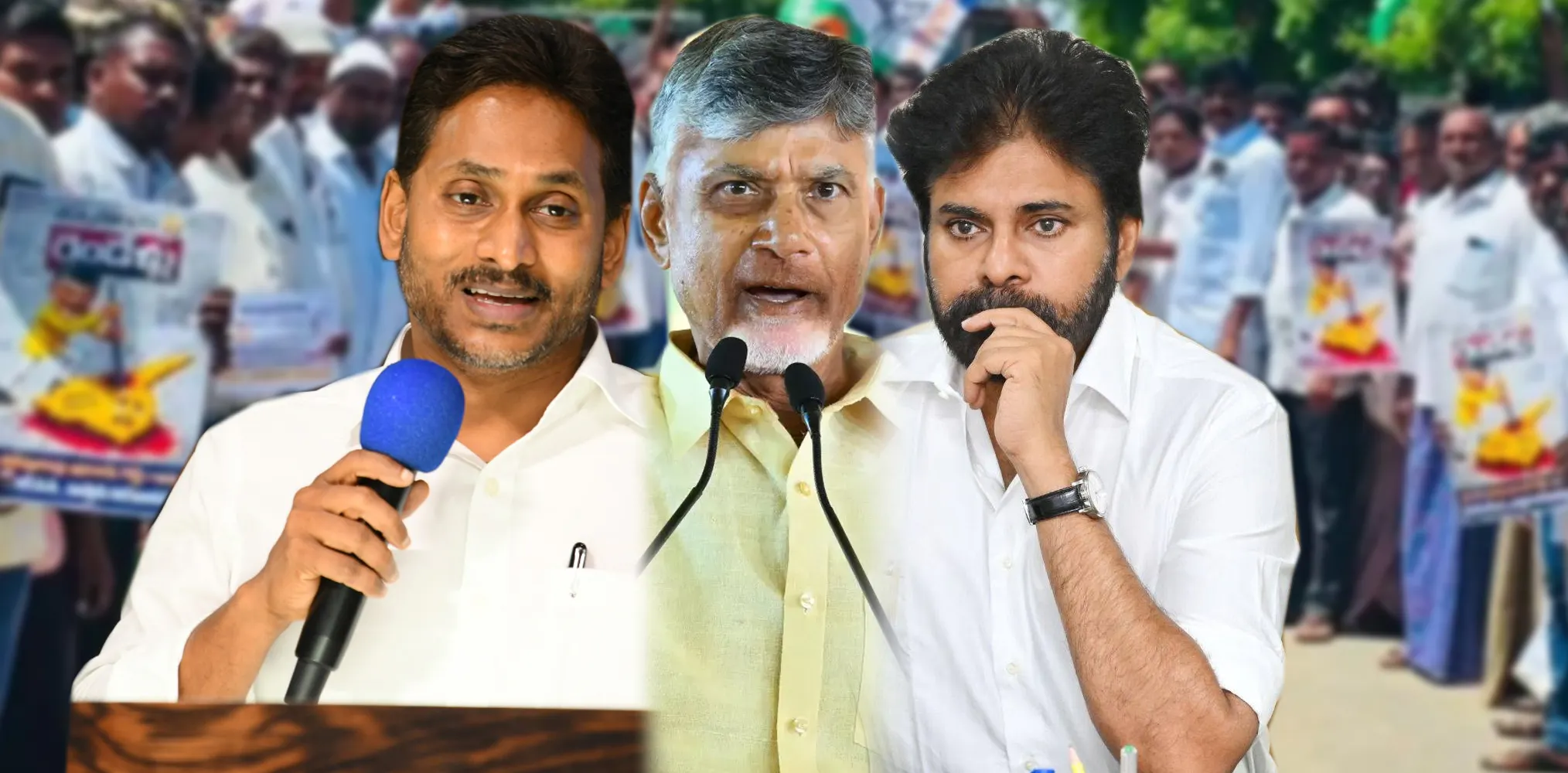
This intersection of poetry and politics precisely captures today's reality in Andhra Pradesh. The down-and-out YSRCP is sparing no propaganda to regain its political traction, pushing the ruling alliance government into a frantic scramble for counter-moves. Meanwhile, the complete silence maintained by the alliance partners strongly suggests that they are already getting ready to chalk out their own independent courses.
Just two years into the term of the TDP-led alliance, the opposition YSRCP has engineered a potent anti-incumbency narrative. Through their “Vennu Potu Pai Thirugubaatu” (Revolt Against Betrayal) rallies and the sharp slogan “Schemulu Raddhu, Scamulu Muddhu” (No Schemes, Only Scams), they have seized the political initiative, dictating the terms of public discourse well ahead of schedule.
Political science dictates that anti-incumbency requires a prolonged period of systemic governance failure to mature. YSRCP, however, is in a hurry to compress this timeline through targeted perception management.
By branding the TDP-led alliance as inherently deceptive, the massive “Thirugubaatu” rallies have forced the ruling government into a perpetual state of damage control. This relentless pressure pushed the administration into a position of political expediency, draining critical energy that should otherwise be focused entirely on governance.
The “Schemulu Raddu” slogan weaponized political rhetoric over administrative data. Whether welfare schemes have actually stalled or scams existed becomes secondary to the psychological impact of sheer repetition.
Continuous, high-decibel media campaigns by the exuberant opposition have created an optical illusion of widespread public anger, forcing the government to defend its legitimacy rather than highlight its achievements.
The true efficacy of YSRCP’s campaign lies in how effectively it ruffles the feathers of the alliance partners, exposing structural vulnerabilities within the ruling coalition, signs of which are already clearly visible.
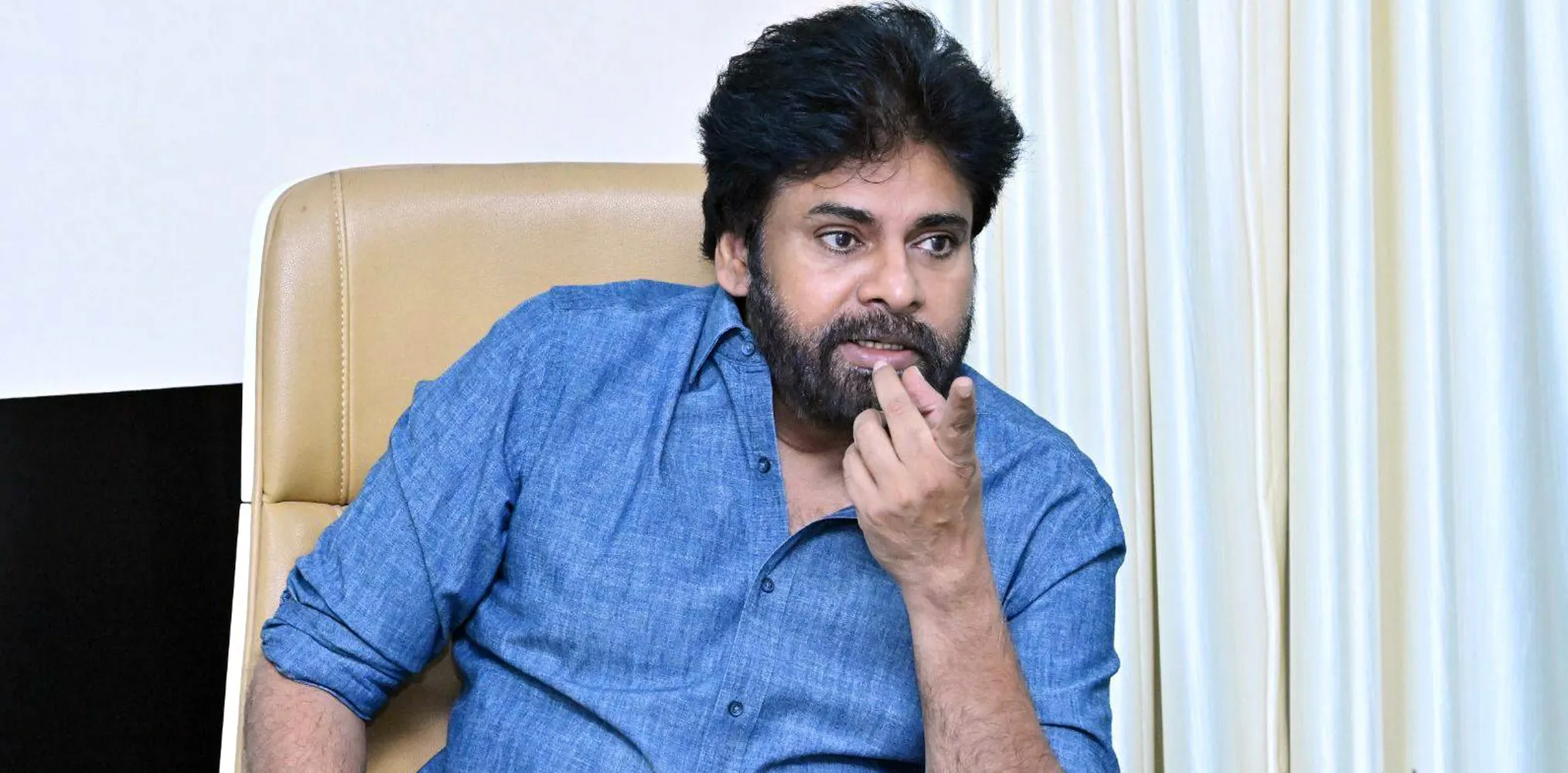
The internal strain broke into the open when Pawan Kalyan—the Deputy Chief Minister and an unpredictable, "never know what he is up to" kind of alliance partner, abruptly exited a recent Cabinet meeting. Regardless of the official "back pain" pretext, the exit was widely seen as an act of resentment over the JSP being treated as a mere rubber-stamp ally while the TDP makes unilateral policy decisions. When a senior partner consolidates power too tightly, diplomatic exits become the primary vehicle for expressing dissent.
Simultaneously, the BJP has maintained a state of absolute, strategic silence. By refusing to actively deploy its machinery and might to neutralize YSRCP’s propaganda, both the national and state BJP leadership are keeping their future options fluid.
Meanwhile, the catastrophic implosion of the TMC thousands of miles away has the potential to inflict severe headaches for the TDP leadership. As, once the rebel TMC MPs formally pledge their support to the NDA in the Lok Sabha, the mathematical power balance in New Delhi will shift dramatically.
This newfound numerical cushion will drastically reduce the BJP's structural dependence on the TDP's parliamentary seats, effectively annulling the immense political leverage that the visionary leadership of the TDP has hitherto enjoyed.
By choosing not to intervene in the state's narrative war, the BJP effectively weakens his domestic standing. This calculated silence also sends a strong, indirect message to the electorate that the opposition's allegations are not entirely without rhyme or reason. It forced a cornered TDP leadership to become entirely subservient to New Delhi, leaving them with no choice but to sing endless eulogies in praise of the BJP’s supreme command.
If the YSRCP's campaign maintains its current momentum, the TDP-led alliance risks being destabilized not by an election, but by its own internal paranoia.
Pawan Kalyan’s frustration with unilateral decision-making and the BJP’s calculated muteness indicate that the coalition is standing on volatile ground.
If Chandrababu Naidu fails to pivot toward a genuine, consensus-based leadership style, his allies may eventually look for the nearest exit, leaving the TDP to face the opposition's onslaught entirely alone.
Unquestionably, the YSRCP's aggressive narrative-grab has pushed State’s CEO style CM into a classic “Ab Tera Kya Hoga, Kaaliya?” predicament. He now finds himself entirely cornered by the opposition's onslaught, while his own coalition partners stand by silently, like a mute, detached Samba watching the spectacle unfold from the sidelines.
For now, as he engages himself in heaping endless eulogies on the supreme leader of the BJP, he seems to be submissively saying, “Sarkar, maine aapka namak khaaya hai”... But with the shifting power dynamics in New Delhi, the supreme leader's classic retort, the “Ab goli khao” moment, might not be very far off.