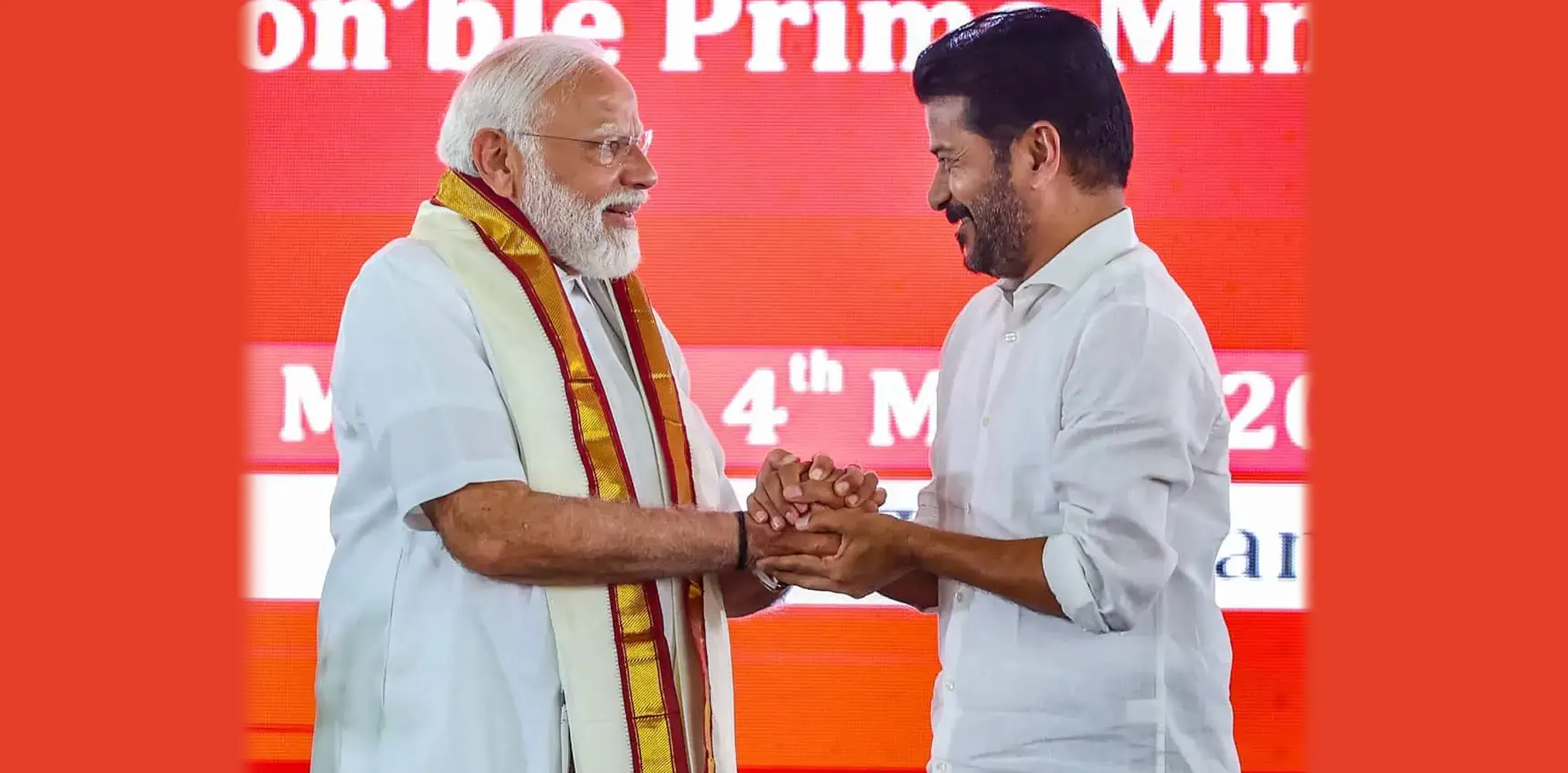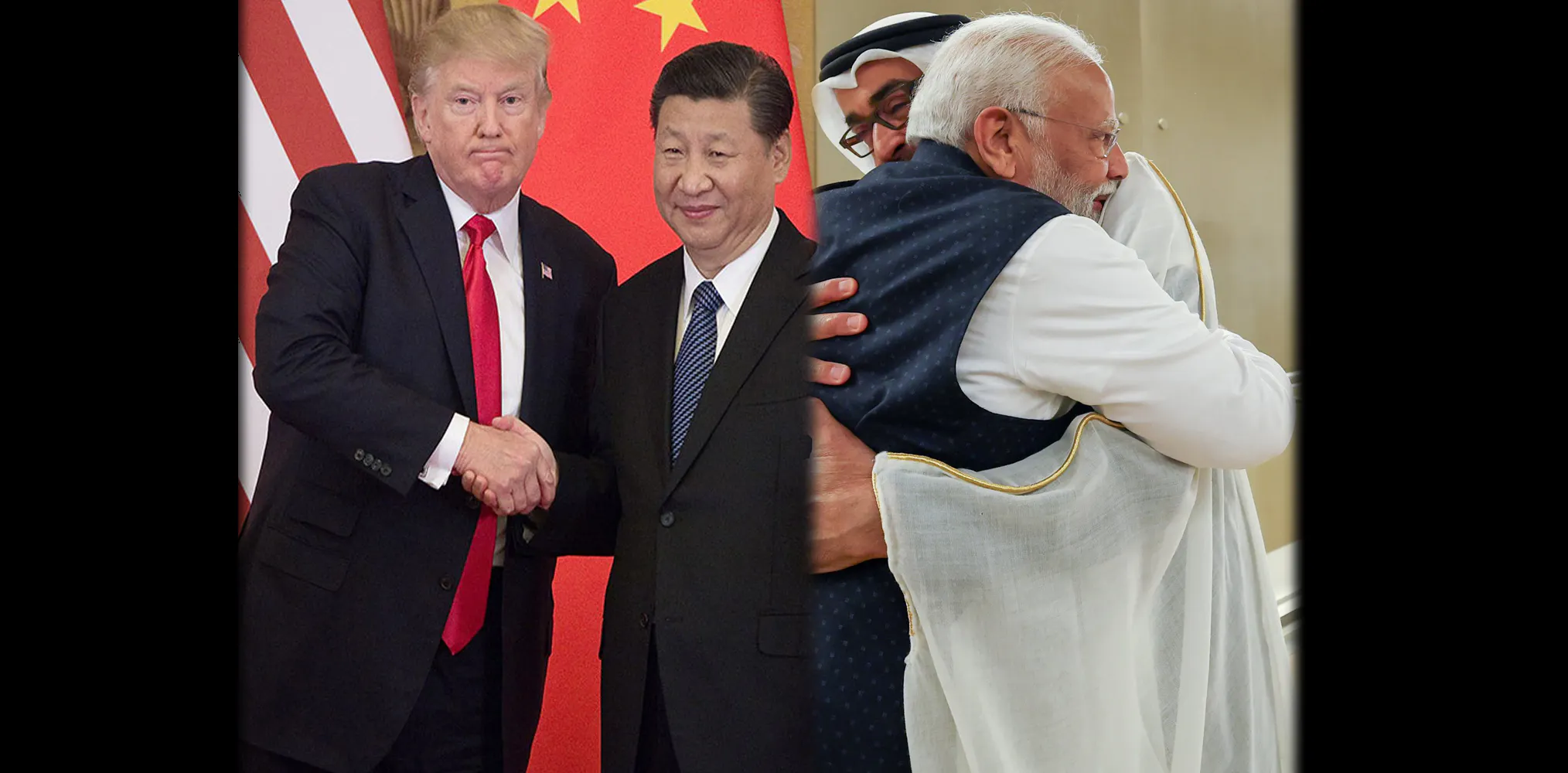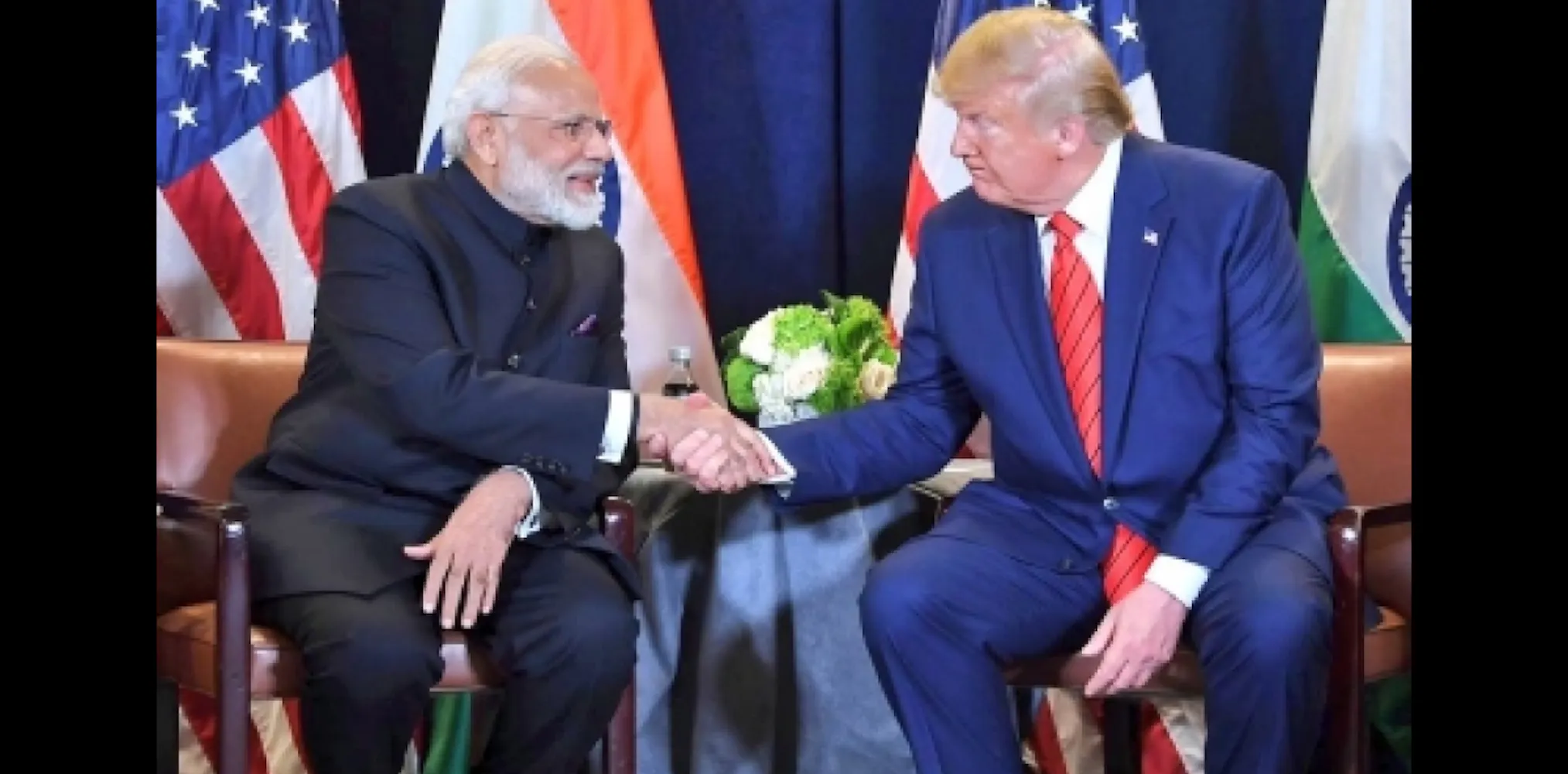
In a recent show of confidence, President Donald Trump expressed optimism regarding a burgeoning trade agreement with India, praising Prime Minister Narendra Modi as a personal ally. Speaking to reporters in the Oval Office, Trump remarked, "We will get to a deal because I like your prime minister a lot. He is a good friend of mine. We get along great, and we are gonna make a deal." This statement highlights the personal rapport between the two leaders as a significant factor in the ongoing negotiations, which have been characterized by a spirit of cooperation as both countries seek to bolster their economic ties.
The negotiations, ongoing for several days with a U.S. delegation in India, reflect a broader effort to rectify perceived imbalances in trade practices. Trump pointed to India's historically high tariffs on American goods, particularly criticizing the 200% tariff that hindered Harley-Davidson's market entry. "They charged tremendous amounts of tariffs to our companies, and we didn't charge them anything," Trump said, underscoring his administration’s commitment to leveling the playing field for U.S. manufacturers and fostering a more equitable trade relationship.
Contextually, these trade talks come on the heels of a joint statement issued by the leaders following their phone conversation on February 7, in which the framework for a Bilateral Trade Agreement was established. This preliminary agreement outlines significant tariff reductions, including a decrease from 50% to 18% on select Indian goods. However, the landscape shifted dramatically on February 20 when the U.S. Supreme Court struck down Trump's broad reciprocal tariffs, necessitating a reevaluation of the trade arrangement and a recalibration of tariff strategies under the ongoing negotiations.
As both nations navigate this complex trade landscape, the stakes are high for multiple industries, including the automotive sector. Trump's remarks not only spotlight the disparities in tariff policies but also reflect a broader narrative of American economic resilience. The contrasting treatment between U.S. and Indian motorcycle brands serves as a case study of the challenges faced by U.S. companies seeking to penetrate foreign markets, emphasizing the need for a bilateral agreement that truly benefits both parties involved.