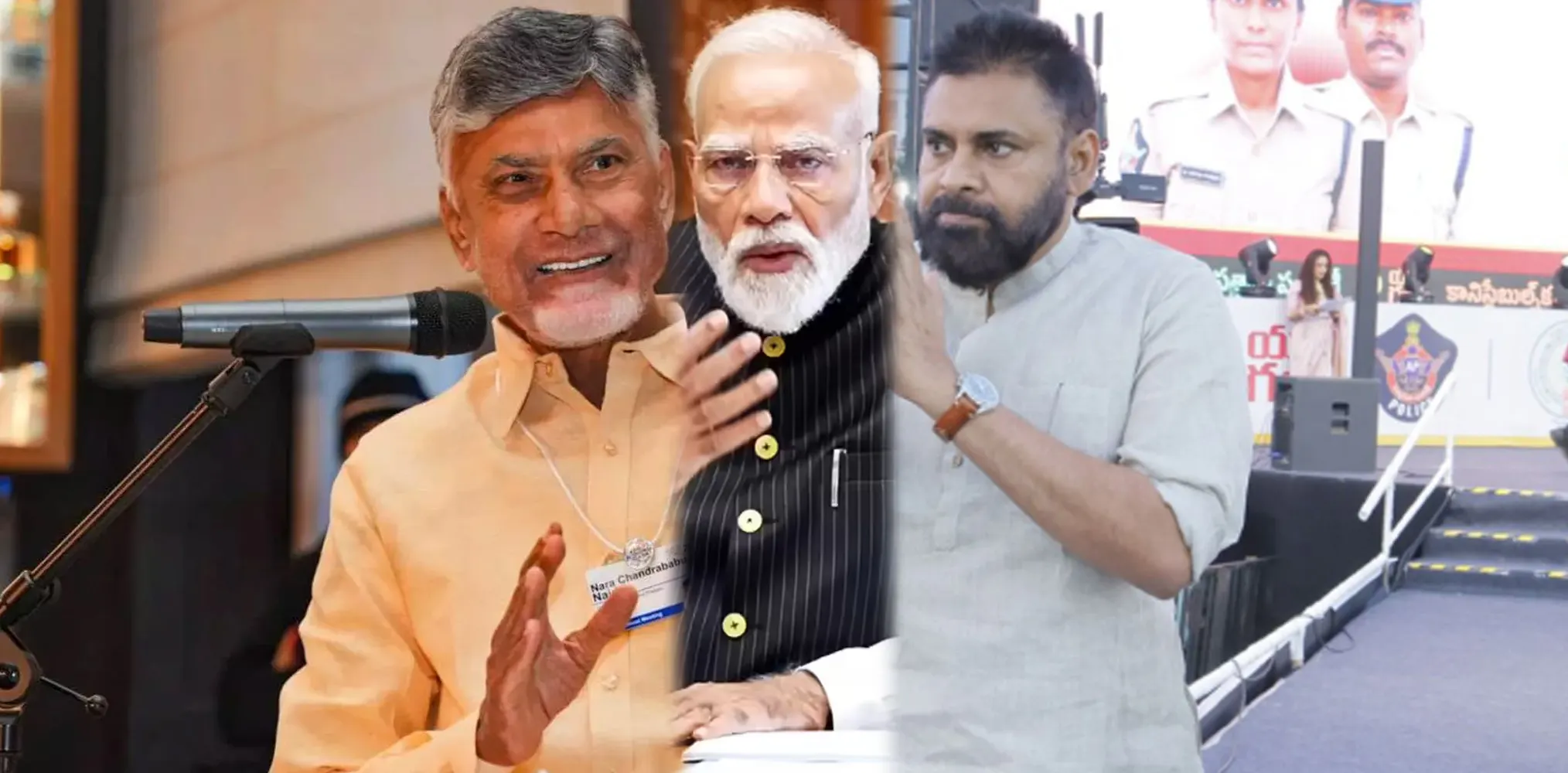
"Charismatic authority is naturally unstable. The leader’s authority is maintained solely by proof of his power. If he fails to benefit his followers, his charismatic authority vanishes”- Max Weber, Political Scientist
In the above Weberian terms, a charismatic leader maintains loyalty only as long as they deliver tangible victories or a credible hope of empowerment. The moment a leader publicly abdicates ambition and announces they do not care for the very power needed to achieve their followers' long-held aspirations, they violate the unspoken contract of charismatic leadership.
This structural breakdown is precisely what is echoing through the volatile landscape of emerging caste politics in Andhra Pradesh.
Political pundits love a grand narrative where actors trademark their onscreen heroism for real-world votes. Currently, South Indian politics is running a fascinating double-feature on how to handle, or completely mishandle, caste dynamics.
In Tamil Nadu, the script is fresh and hopeful. Movie star Vijay’s new party, TVK, has emerged as an alternative to traditional Dravidian politics. The intellectual elite have polished their glasses and declared this the "Next Big Thing," painting Vijay as the new champion of Dalit assertion. While the Dravidian movement historically uplifted the Backward Classes, it left others waiting at the door. Whether Vijay can actually deliver on social justice remains to be seen, but for now, the trailer looks great and the audience is buying tickets.
Across the border in Andhra Pradesh, the blockbuster evolution of Pawan Kalyan and his JSP is falling apart in the second half.
Somehow, Kalyan managed to find political relevance after a decade of drifting
How? By jumping straight into an alliance with the TDP, a party traditionally dominated by Kamma leadership and historically at loggerheads with his own Kapu base. To complete this ideological masterpiece, he rubbed shoulders with the BJP, a party that thrives on polarization politics. It is a spectacular cinematic crossover where the hero, instead of fighting the villains, decides to co-sign their movie just to stay on the poster.
Despite merely appearing on the posters, the emerging narrative around Kalyan and the Kapu community, a massive voting bloc that desperately wanted him to be their political messiah, is gaining traction for all the wrong reasons. Instead of a smooth screenplay, his supporters are getting wild plot twists.
He recently looked at his loyal audience and announced, “I am not here for any single caste, I didn’t start this party just for Kapus, and I don’t really care about becoming Chief Minister.” To the average Kapu voter who spent years yelling his name in theaters and polling booths, this sounded less like statesmanship and more like a director canceling the movie halfway through production.
The political prognosis for Pawan Kalyan is a textbook lesson in how to turn a golden opportunity into a collective sigh of frustration. By frequently shifting his stance, Kalyan is actively choosing to miss his moment of maximum strength.
His entire political elevation was built on his massive cinematic image rather than a foundational ideology. This is evident in his recent altercations with Kapu leaders, proving he prefers delivering short, "vibe-worthy" high moments over a coherent strategy. This quick-fix tactic offers zero strategic consolidation. By refusing to anchor himself as an independent, unyielding force for the people who back him, he is leaving the Kapu community stranded and frustrated—a scenario ripe for revolt.
Pawan Kalyan's identity crisis is the gift that keeps on giving. By telling his fans he isn't a "caste leader" and doesn't care about the Chief Minister’s chair, he hasn’t just deflated his own balloon; he has invited everyone else to scavenge the remains. For the YSRCP, Kalyan's detached-hero routine is a political jackpot; they simply have to repeat his own words back to the voters.
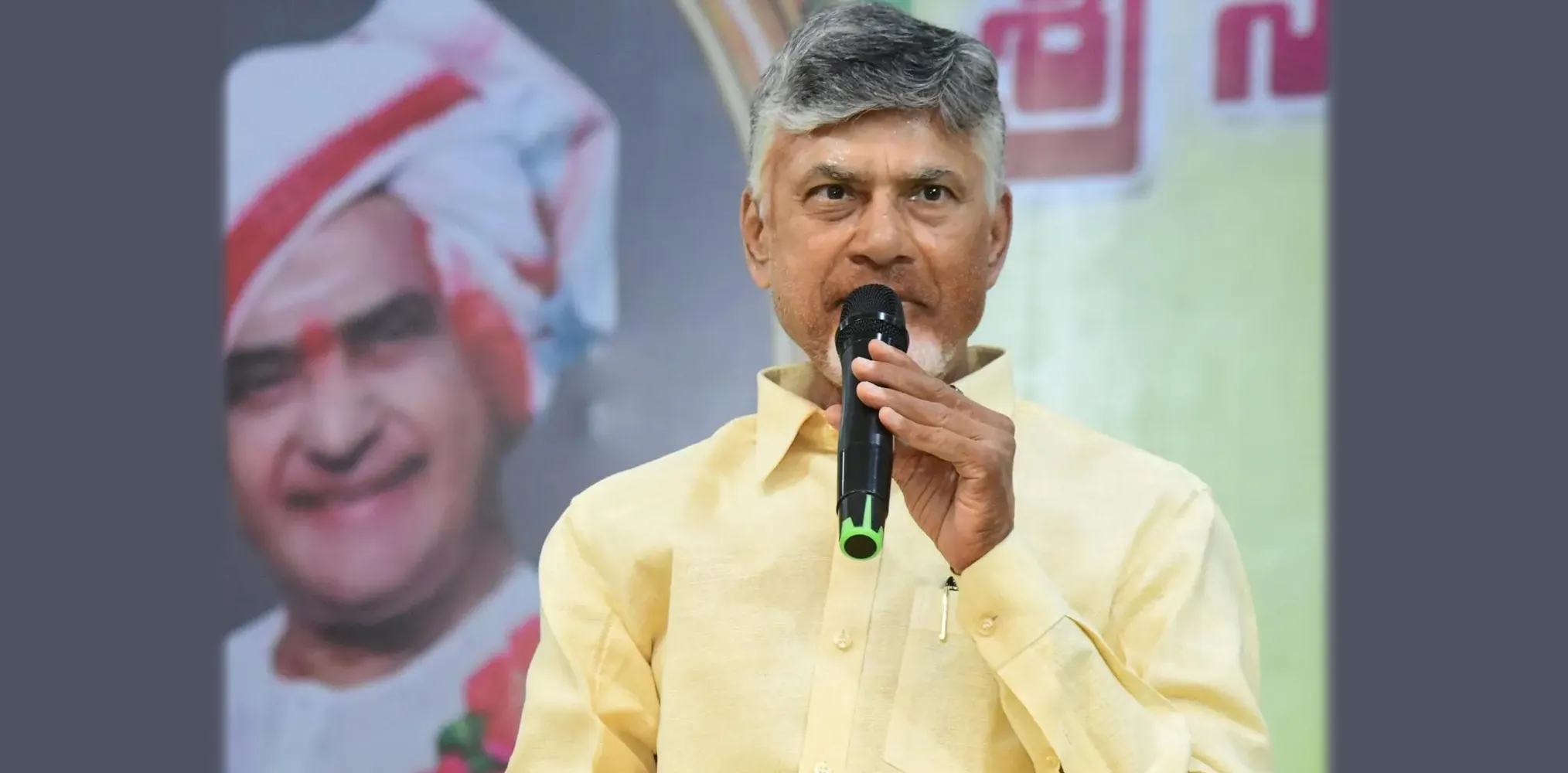
On the other hand, Chandrababu Naidu (CBN) did not survive four decades in politics by being emotional. As a master political corporate manager, he views Kalyan's public declarations of humility not as high morality, but as a signed waiver of political ambition.
CBN will use Kalyan’s "no caste" speech as the perfect shield. Whenever Kapu leaders demand a bigger slice of power or reservations, he can simply smile and say, "But your leader himself said we must rise above caste politics."
By keeping Kalyan wrapped in the velvet blanket of the "Selfless Deputy," CBN may ensure that the JSP remains a permanently subordinate franchise. Kalyan gets the applause and the vibe-worthy moments, while he holds the remote control.
While CBN plays the wily puppet master and YSRCP circles like hungry vultures, the BJP central leadership views the internal friction with the calm satisfaction of a corporation watching its two local franchisees exhaust each other.
The BJP’s Apara Chanakyas know the JSP rests on a shaky foundation of cinematic euphoria rather than grassroots organization. Every time Kalyan fights with Kapu leaders or complains about coalition pressures, he becomes isolated, causing his political stock to dip.
The BJP may happily latch onto this, ready to dictate terms to a politically isolated star in future negotiations.
By letting CBN systematically suppress Kalyan’s independent growth, the alliance may create a pressure cooker of resentment among JSP cadres. When that frustration eventually boils over, those Kapu voters might look for an alternative in a national force rather than a tested regional player like YSRCP to give them the political relevance they have long aspired to.
The BJP clearly senses this opportunity hidden within the present frustration of the Kapus against Pawan Kalyan’s intriguing politics.
Thus, Kapu frustration has a potential to simmer.
In politics, just like in cinema, if you keep changing the plot and telling your core audience that you don't actually want the lead role, eventually, they will leave the theater and look for another show.