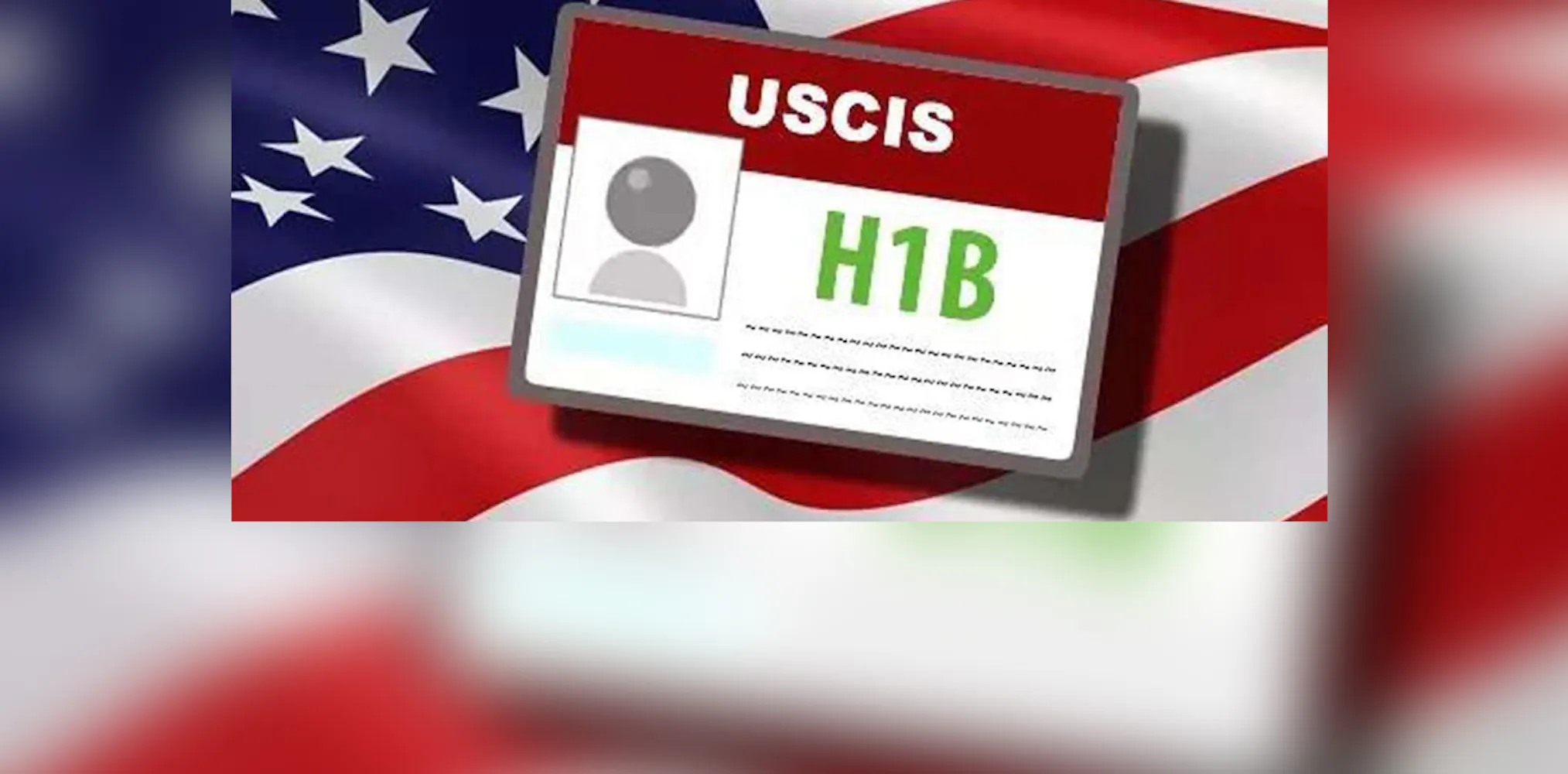
The American H-1B visa system is witnessing a major transformation, and the latest selection numbers for fiscal year 2027 clearly show that the era of mass low-wage filings may be coming to an end. According to new data released by United States Citizenship and Immigration Services, a striking 71.5% of selected H-1B applicants this year hold a US master’s degree or higher — a sharp jump from 57% last year. At the same time, selections from the lowest wage category dropped dramatically to just 17.7%, signaling a deliberate shift toward attracting highly skilled and better-paid foreign professionals. The total number of registrations also plunged by nearly 38.5%, falling from over 343,000 to around 211,600 applications.
The changes are largely driven by USCIS’s new wage-based weighted selection system, which replaced the old random lottery process. Under the revised model, applicants offered higher salaries receive stronger preference during selection, fundamentally altering how companies approach H-1B hiring. The agency has also continued using the beneficiary-centric registration system to prevent duplicate filings for the same candidate while simultaneously increasing registration fees and tightening scrutiny on low-wage applications. Immigration experts say the policy shift is aimed at discouraging misuse of the H-1B system by staffing firms and prioritizing genuinely skilled professionals in advanced sectors like technology, research, engineering, and artificial intelligence.
For thousands of Indian students and tech workers dreaming of long-term careers in the United States, the new direction sends a clear message: American employers and immigration authorities are now rewarding specialization, advanced education, and higher compensation packages more than ever before. While the stricter system could reduce opportunities for entry-level applicants and outsourcing-driven hiring models, it may benefit candidates with stronger academic backgrounds and niche technical skills. The latest numbers also reflect the Trump administration’s broader push to reshape employment-based immigration around higher wages and “high-value talent,” making the H-1B race more competitive — but also more selective than ever before.