"Whispers in the corridors are the true blueprint of a political party's future. If one can decode them, one can map out the next coup or alliance before it happens”
This hypothesis suggests that in high-stakes environments, gossip is far more than idle chatter—it is the "hidden currency" of internal manoeuvring.
It serves as a definitive blueprint for the future, acting as a tactical instrument to forge alliances or dismantle rivals from within. Today, this dynamic of "narrative warfare" is playing out with surgical precision within the halls of Gandhi Bhavan, the Telangana Congress headquarters.
The current climate in Telangana politics demonstrates that a calculated rumour, amplified by strategic media placement, is morphing more lethal than a frontal political assault.
Recent targeted leaks regarding SCCL coal block allocations and scandalous stories involving a woman IAS officer and a sitting Minister are not random occurrences. They appear to be a deliberate deployment of misinformation designed to isolate the "original" Congress leaders, the veteran loyalists who have long served as the party’s steadfast loyal soldiers.
When these veterans are driven to publicly challenge the media’s "hidden agenda," it confirms that rumour has been weaponized as the primary engine for an internal purge.
Add to this, the High Command’s refusal to intervene is being interpreted as a silent endorsement of these tactics. This silence forces the "old guard" to realize that their battle is not merely against internal rivals, but against a leadership that seems content to let the purge continue.
These strategic leaks, often filtered through a section of the press frequently derided as the "Yellow Media," are merely sub-plots in a much broader game plan.
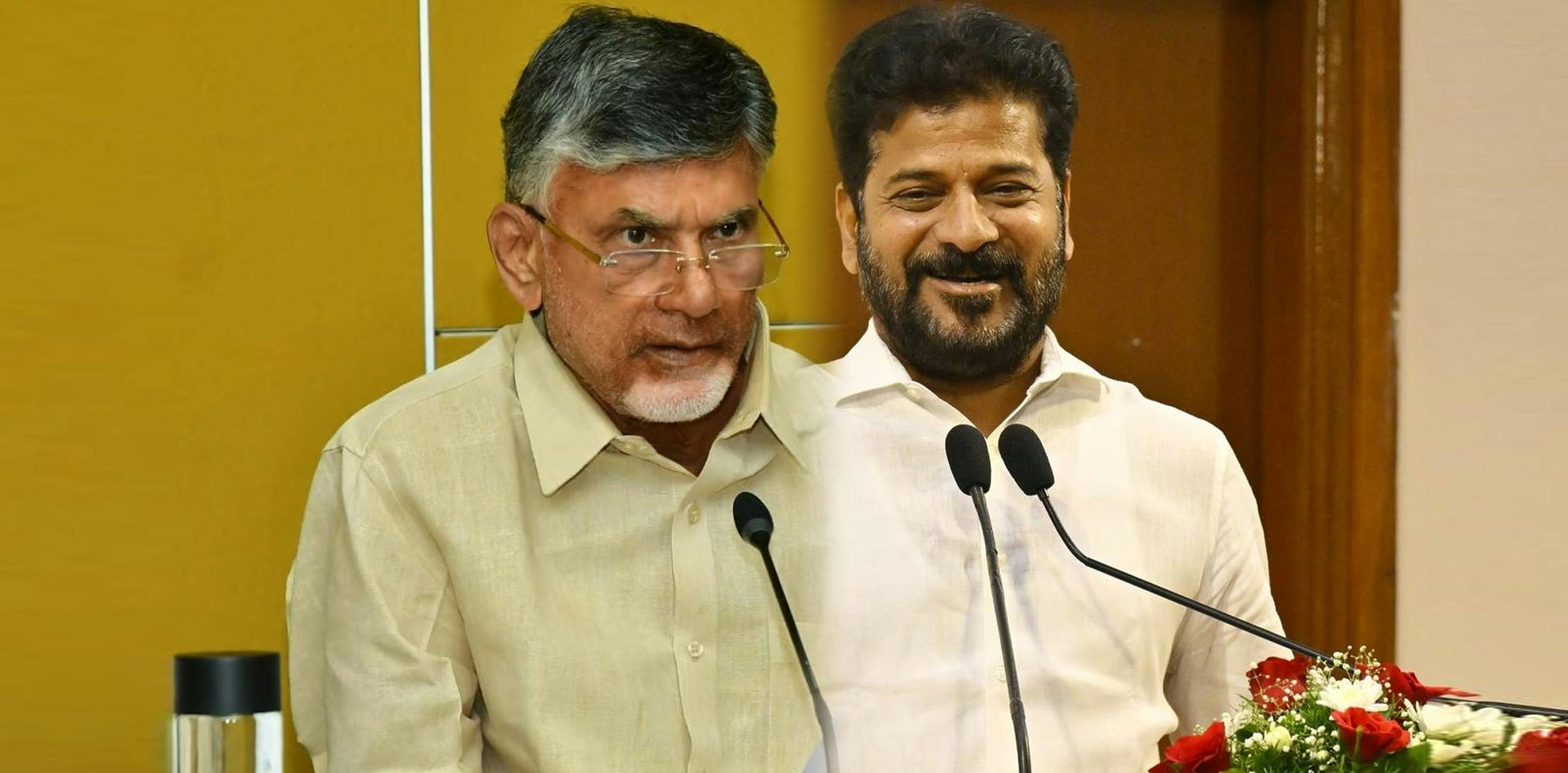
The overarching theme was signalled by Chief Minister Revanth Reddy’s clarion call to the Telangana TDP cadre to "bury the BRS" as a tribute to NTR. This move reveals a master plan to consolidate a new power base, leaving original Congress loyalists as collateral damage in a cross-party consolidation.
Looking back from the vantage point of 2026, it is evident that the migration of Revanth Reddy and his associates to the Congress was never a desperate flight.
Instead, it was a coordinated realignment, a tactical trade-off initiated after Chandrababu Naidu’s retreat from Hyderabad following the "cash-for-vote" scandal. Rather than a surrender, his withdrawal was a calculated move to safeguard his economic network and "benami" interests while securing a future for his protégés within a new political host.
Revanth’s or rather CBN’s protégé’s recent appeal to dismantle the BRS is a calculated attempt to regain the lost relevance of the TDP in Telangana. By channelling decades of TDP sentiment toward the Congress, he seeks to absorb a traditional support base that is currently caught in the complex web of the BJP-led NDA.
This manoeuvre, if succeeds, serves a dual objective of internal within the Congress and external realignment on the state’s political landscape:
It would sideline the Congress "old guard" and morph the state unit into a "TDP 2.0," effectively an Andhra-led political hybrid.
The decimation of BRS, if any, in turn, would clear the political field for the BJP to ascend as the primary opposition.
Observers suggest that, in totality, this strategy might help fulfil the BJP’s objective of a "Congress-Mukt India" by hollowing out the party’s core ideological identity from within.
By compromising the party’s traditional foundations to serve the long-term goals of his erstwhile mentor, Chandrababu Naidu, he would also facilitate a coordinated realignment that restores "Andhra leadership" influence over Telangana under a different banner.
For many in the state, this is more than just a political shift; it is a brazen affront to Telangana identity and self-respect. To call for the burial of the BRS, a party that played a foundational role in achieving statehood, in favour of reviving a legacy once rejected by the region, marks a provocative departure from the spirit of the Telangana movement.
As the Congress undergoes this ideological makeover, it faces the very real risk of losing its soul to become a vessel for a revived, hybridized political form.