“Lagegi aag to aayenge ghar kai zad mein/ Yahan pe sirf hamara makaan thodi hai” (When the fire breaks out, many houses will be engulfed; it is not as if only my house is at risk here)
This evocative couplet by Bashir Badr, warning that a fire ignited for political gain eventually consumes its architect, finds a local echo in the Telugu proverb: “Godaku kottina bantila tirigi raka tappadu” (Like a ball hit against a wall, it must inevitably bounce back). Both serve as a sobering metaphor for the current political climate in Andhra Pradesh, where a narrative built on religious sacrilege now threatens to singe its creators.
Historically, ideological overreach has often been the undoing of even the most powerful sovereigns. Emperor Aurangzeb, driven by a rigid orthodox agenda, alienated once-loyal regional powers like the Sikhs, Jats, and Marathas.
His subsequent decades of brutal military campaigns did more than drain the Mughal treasury; they eroded the very institutional credibility required to sustain his empire.
Today, observers see a modern parallel in the evolving Tirumala Laddu controversy.
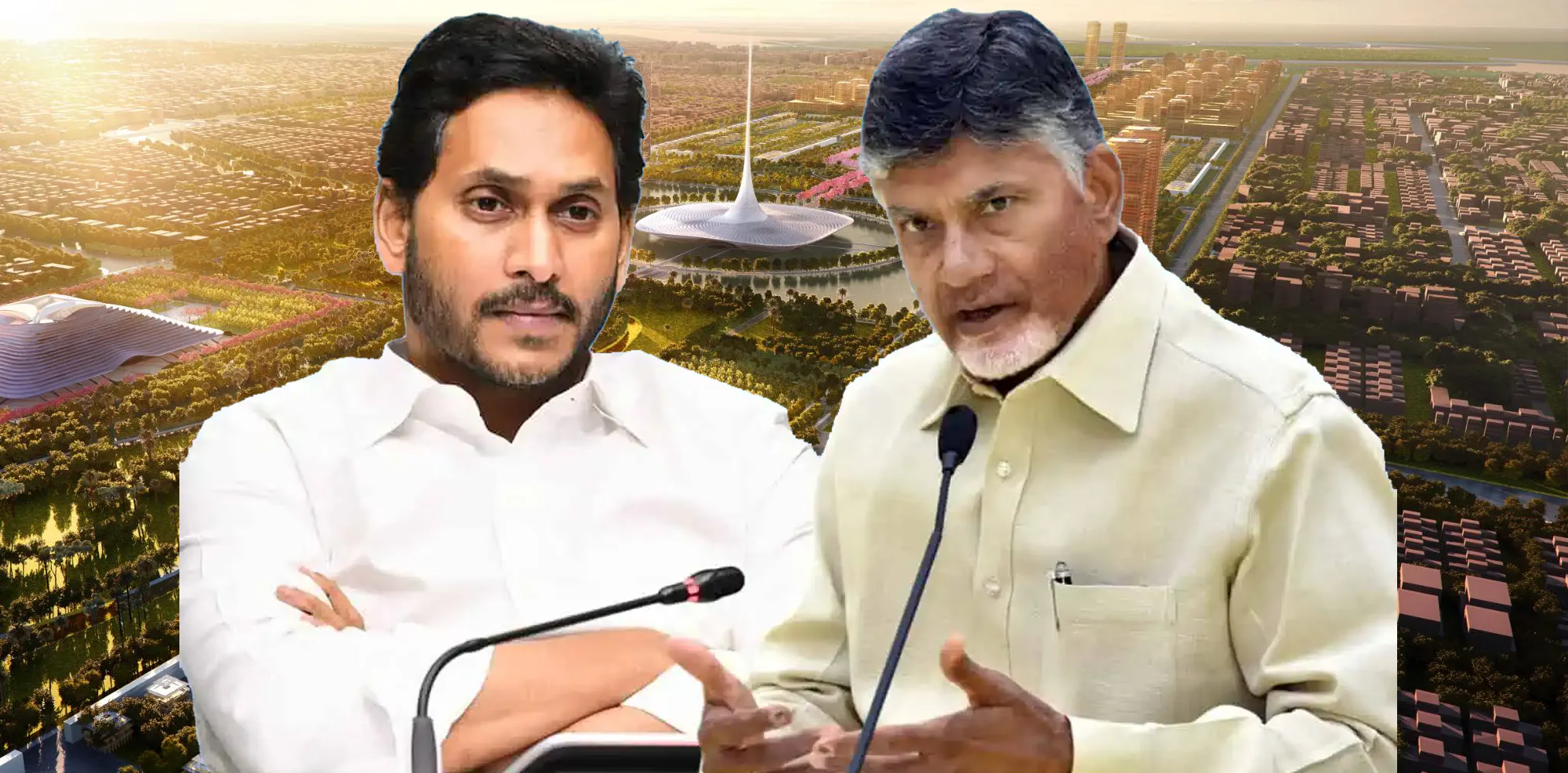
Chandrababu Naidu (CBN), in collaboration with Pawan Kalyan(PK), initially framed the alleged adulteration of the sacred prasadam as a visceral assault on Sanatana Dharma by the previous YSRCP regime.
By alleging the use of animal fat, specifically beef tallow and lard, the ruling coalition successfully pivoted from governance issues to a high-stakes battle over religious desecration, aligning seamlessly with the BJP’s broader Hindutva consolidation efforts.
However, following the SIT and CBI reports which debunked the ‘Animal Fat” claims, this strategy now appears to be hitting a "boomerang" phase.
While recent CBI and SIT findings reportedly confirm the use of adulterated ghee, they have significantly debunked the "animal fat" propaganda. The reports suggest a case of industrial food fraud, synthetic esters and vegetable oils designed to mimic dairy rather than the religious defilement initially suggested.
By over-leveraging emotional capital on a premise the Supreme Court-directed investigation may not support, CBN risks validating the YSRCP’s counter-narrative: that the scandal was a "weaponized lie" designed to mask governance failures.
The situation is further complicated by a surge in political violence.
When an ideological battle is perceived to justify lawlessness, it alienates neutral voters and tarnishes the CBN’s traditional image of "CEO-style" governance and economic pragmatism.
Perhaps the greatest risk to CBN is a strategic misreading of his own allies. While he uses the "ideology-as-a-shield" tactic to defame the opposition, he may be unwittingly walking into a trap.
Cultural polarization benefits the BJP’s long-term design to sideline regional veterans and project Pawan Kalyan as its primary face, a pattern of weakening regional parties seen previously in states like Maharashtra.
CBN is currently navigating a delicate pincer movement between his own secular identity and the ideological demands of his partners.
By championing Sanatana Dharma, PK has successfully consolidated the Kapu community and Hindutva-leaning voters. However, as he gains ground as the "pure" ideological face, the TDP risks becoming a secondary vehicle for this agenda.
If CBN leans too far into Hindutva, he may lose the minority vote (which he had started to regain) without fully owning the Hindu vote, which the BJP and JSP are better positioned to claim.
By using "Ideology as a Shield," CBN might be winning the current narrative battle but losing the governance war.
If the electoral culture of AP remains rooted in syncretic values and economic pragmatism, a shift toward permanent polarization could erode the very "secular-pragmatic" foundation that made the TDP a unique regional powerhouse for decades.
Much like Aurangzeb, a leader distracted by non-essential battles risks finding his power undermined not by his enemies, but by his own strategic miscalculations.