“Don't count your chickens before they hatch”- An old adage from Aesop’s Fables
The above warning appears in the Aesop’s fable about “Milkmaid and her Pail,” wherein a young Milkmaid’s vivid fantasies of future wealth led to a distracted stumble, spilling her milk.
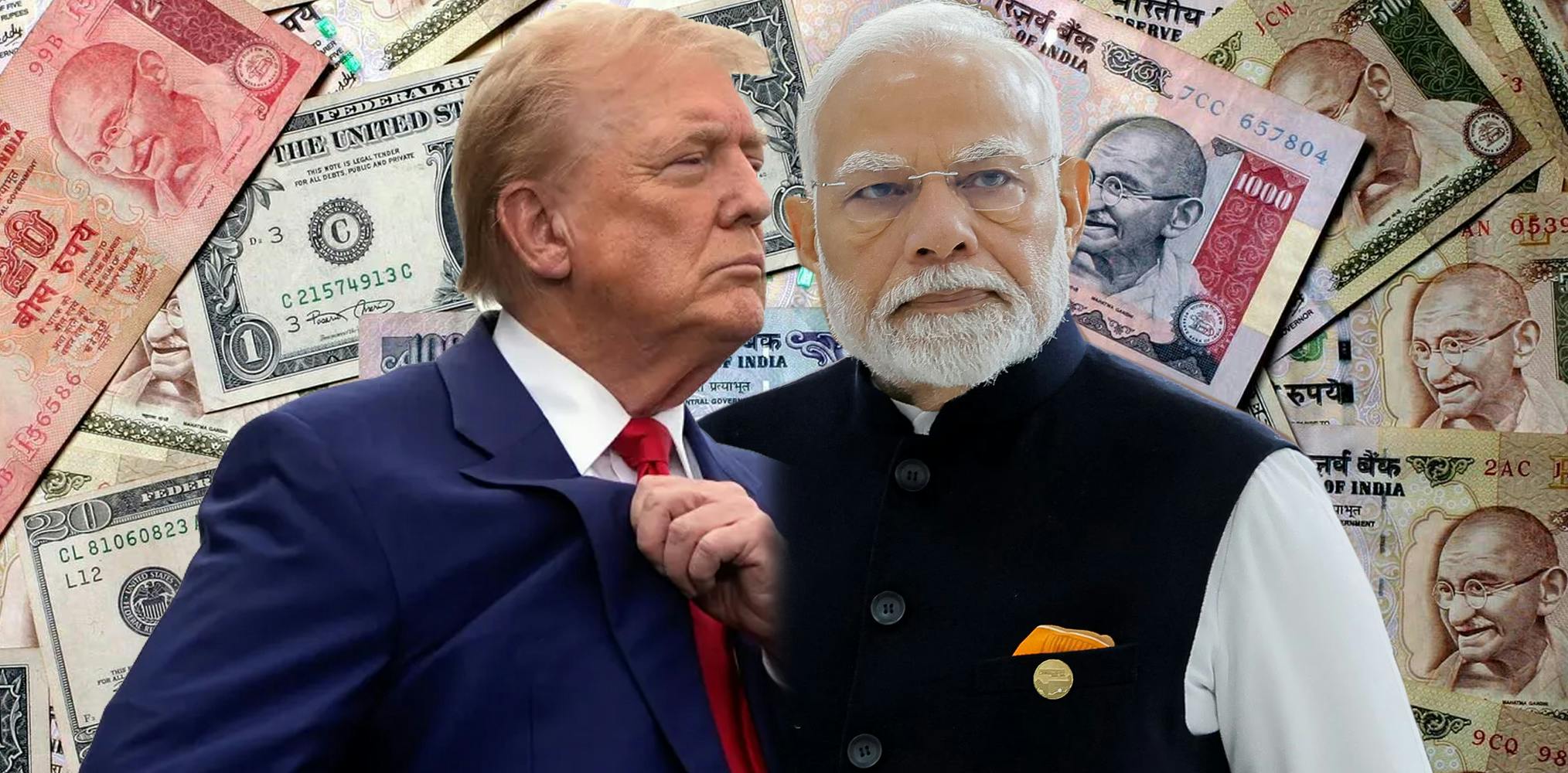
Today, as a jubilant atmosphere grips New Delhi following the proclamation of a "historic" US-India trade deal, one wonders if the Indian leadership is treading the same treacherous path.
Initially heralded via a celebratory Truth Social post by Donald Trump and subsequently echoed by Indian leadership, the agreement has been framed by state-aligned media as the "Father of All Deals."
Yet, beneath the fanfare lies a cautionary tale of hubris. The rush to declare a "win-win" victory risks collapsing under the weight of unfinalized, granular complexities that are currently being glossed over in favor of political optics.
The announcement was delivered with a theatrical gravity reminiscent of the "Operation Sindoor" ceasefire declaration. However, such dramatics often obscure a cold reality: international trade is governed by rigorous technicalities and exhaustive legal "papering," not merely high-profile handshakes or social media posts.
Until a comprehensive joint statement is issued, assuming a total victory remains a speculative exercise. Without the fine print, the leadership risks finding itself in the milkmaid’s unenviable position, left with nothing but the memory of a dream.
This deal brings into sharp focus the apparent dilution of the "Strategic Autonomy" doctrine, a rhetorical pillar of the current administration.
For long, New Delhi maintained a stance of defiant national interest, asserting that its purchase of Russian oil and the protection of its agrarian economy were non-negotiable, even under the threat of US tariffs.
The current deal though sans finer details, however, suggests a significant pivot that opposition is labelling it as a “Strategic Surrender.”
Opposition leaders have been quick to characterize the deal as a capitulation to Washington’s pressure, particularly amid reports that India may halt Russian oil imports entirely. While the government brands this a "Pragmatic Rebalancing," the shift feels more like a retreat from the recent bravado and rhetoric around ‘Sovereign Autonomy”.
Critical scrutiny is already being applied to the reported tariff structure, which appears strikingly asymmetrical zero tariffs, as India is reportedly slated to levy no duties on US imports and “Reciprocal Barriers” as Washington will maintain a "reduced" 18% reciprocal tariff on Indian exports.
This disparity has raised immediate alarms regarding the competitiveness of Indian manufacturing.
Furthermore, despite assurances from the Commerce Ministry that the dairy and agricultural sectors remain protected, farmers' organizations remain deeply skeptical. They fear the "fine print" will facilitate an influx of US produce, destabilize local markets endangering the livelihoods of millions.
Ultimately, the transition from high-stakes rhetorical bravado to significant technical concessions indicates that the "deal of the century" may come at a steep cost to the national autonomy the leadership once pledged to protect.
While the proclamation of the deal serves as a powerful tool for domestic political consolidation and provides the ruling party a narrative of diplomatic triumph, a celebratory veneer cannot mask its inherent opacity.
For now, the Indian public is once again bracing to watch the unfolding theatrics, claims of victory that feel strikingly similar to the post-Operation Sindoor narrative.
Whether this represents a genuine diplomatic masterstroke or a case of "sovereign relinquishment" remains the pivotal question.
Until the eggs finally hatch, the true cost of this deal remains unknown.