“Journalists and TV reporters must be more than mere conduits of information; true journalistic integrity demands a sharp awareness of the hidden agendas fuelling a story and the myths crafted to protect those in power. Without this vigilance, they risk decaying from public watchdogs into weaponized pawns within the very political games they are meant to expose”
The above statement emphasizes the danger of media houses becoming "willing partners" in political hit jobs, when they fail to deconstruct the motives behind a leak.
The 1981 Hollywood film “Absence of Malice” serves as a stark commentary on how naive or reckless reporting can be weaponized. It illustrates the press as an unwitting tool in political power struggles, where journalistic ethics are frequently manipulated for personal or partisan gain.
This film highlights how naive reporting can be weaponized. A prosecutor leaks false information to a reporter to frame an innocent man, showcasing how the press can become an unwitting tool in a political game.
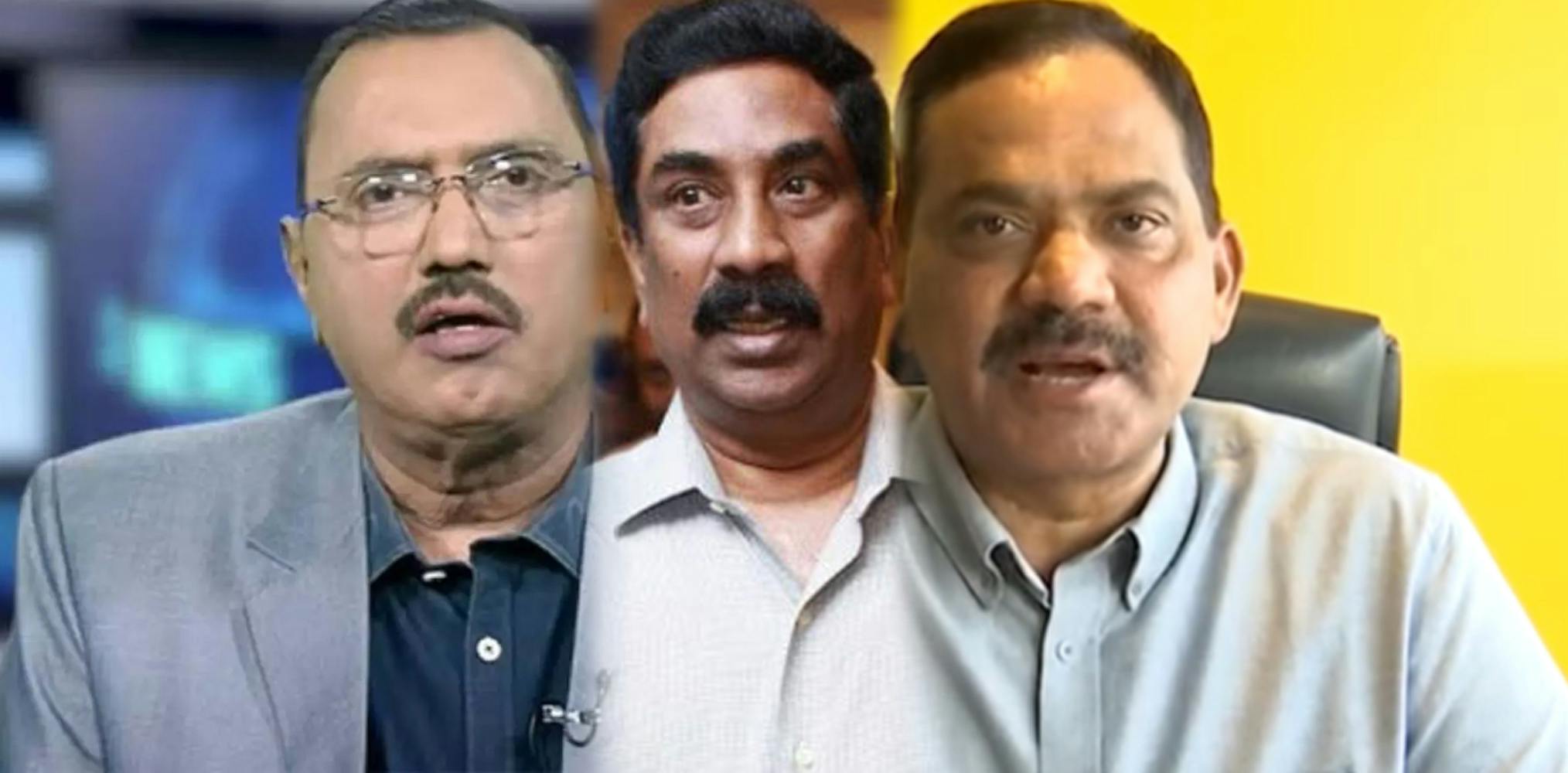
The themes of this narrative are currently mirroring a real-world controversy in Telangana involving the arrest of NTV journalists following a broadcast targeting a woman IAS officer and a state minister, regardless of the debate over blurred lines between “freedom of Press” and balancing press liberties with the protection of individual reputation.
Just as the film depicts a reporter used by a prosecutor to leak false information, the NTV case centres on a broadcast that officials claim was defamatory and based on unverified allegations.
Much like the planted leaks in the film, the NTV segment insinuated a scandal by alleging that a state minister was summoning a woman IAS officer to his private residence after hours under the guise of official business.
The fallout was immediate. The Minister held a visceral press conference, denouncing the claims and stating he would "rather take poison" than endure such public vilification.
In a move mirroring the film's legal pressures, the IAS Officers’ Association filed a formal complaint, leading to the late-night arrest of journalists who were later released on conditional bail, while keeping the debate over whether the media has allowed itself as unwitting tool in the ongoing alleged power struggles within the Congress led state government and whether the police actions thereof smacks of discrimination against the ground level reporters.
The situation highlights a complex nexus between media houses and political executives, where outlets may act as willing partners in character assassination or find themselves as unwitting victims of dirty political games, while it also pits the freedom of the press against the protection of individual reputation.
The Minister’s public denouncement and his emotional declaration that he would "rather take poison" than endure such public vilification point to deeper political games within the ruling party. The NTV broadcast appears to be an expanded version of allegations that first surfaced in October 2025 in the weekly column of Andhra Jyothi, a vernacular newspaper, whose proprietor is regarded as a close confidante of the Chief Minister.
Although the opposition party, the BRS, demanded action and a formal complaint was lodged with the State Women’s Commission, the issue did not gain significant traction at the time nor it moved the IAS Officer’s association to take a public offence of it.
This contrast has fuelled speculation about why the January 2026 broadcast triggered such a swift and aggressive response from the said association to take offence of it and the police to act swift to that effect.
The timing and severity of the current crackdown suggest that the media may be a pawn in internal Congress rivalries. Many within the ruling party believe that a pro-government channel like NTV would not have dared to air such a story without a leak from the highest levels of power.
At the same time, the critics of the police action into the issue argue that it is overtly discriminatory against ground-level reporters, while appearing remarkably lenient toward the channel's management, as the reporters are employees on a payroll who cannot air controversial segments without explicit management approval.
They argue that the ultimate legal and ethical responsibility for broadcast content lies with the editor and chairman, not just the individuals carrying out assignments, furthering doubts whether the SIT’s investigation leads to the action against the executive leadership, the decision-makers, who are allegedly said to be closer to the powers that of the Congress led government, behind the "Off The Record" segment that aired the controversial report.
This “no action’ against the channel's management suggests the action is designed to intimidate the workforce rather than address systemic ethical lapses, opine the critics.
This perceived imbalance further fuels the narrative that the reporters are being used as scapegoats in a larger political game, echoing the central theme of Absence of Malice where those with the most to lose are often the furthest from the police searchlights.
The developing situation reinforces the filmic parallel: journalists are often made the scapegoats in a larger game where the lines between the freedom of the press and the protection of official reputations are intentionally blurred to settle political scores.