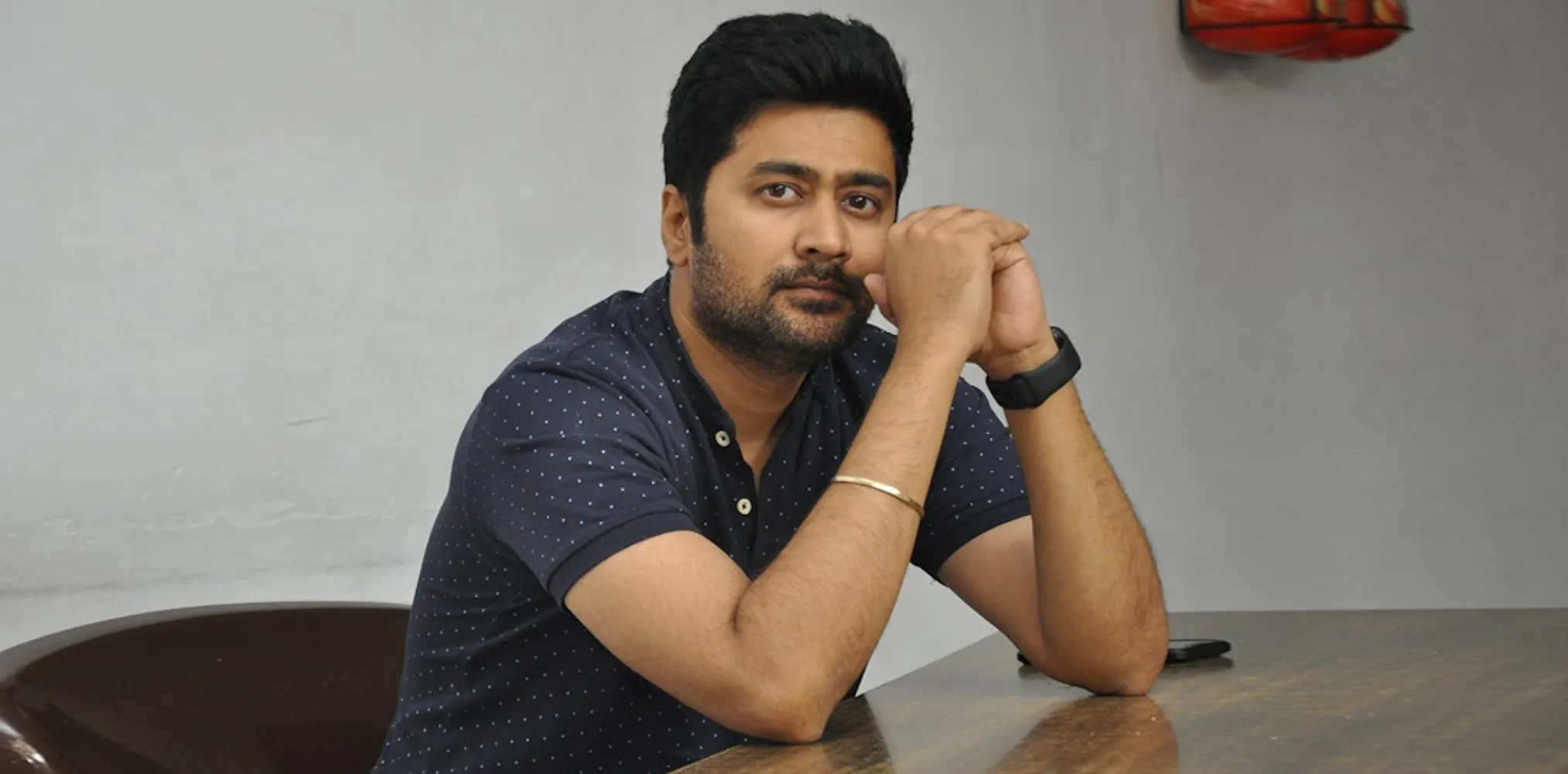
In an alarming development highlighting the dark side of social media, director and actor Rahul Ravindran announced his departure from the platform X, following a torrent of online abuse that escalated to include death threats directed at his children. This decision comes in the wake of a heated discourse surrounding the recent death of Pune-based Ketan Agarwal, which stirred intense debates on gender violence and societal norms. In a poignant post, Ravindran expressed exasperation with the toxic environment, stating simply, "I am done," indicating that his experience had crossed from mere disagreement into a deeply personal realm that he could no longer tolerate.
The distressing situation was triggered during what was intended to be a casual viewing of a Brazil vs. Japan football match. Initially checking X for sports updates, Ravindran unwittingly stumbled upon distressing notifications that rattled him. His subsequent reflections revealed an emotional toll, describing feelings of anger and disturbance at the hostility he encountered. The filmmaker lamented the negative persona he adopted while engaging in online spats, indicating a desire to reclaim his mental health by severing ties with a platform that had fostered such toxicity in his life.
The controversy erupted after Ravindran's remarks regarding a user’s query about potential cinematic portrayals of violence against men, a nod to the Ketan Agarwal case. He articulated a nuanced perspective, rejecting the notion that isolated incidents of crime against men could be equated with systemic oppression faced by women. His film, The Girlfriend, which explores themes of emotional suffocation and control rather than overt violence, was misinterpreted in this context, leading to charged responses from critics. Ravindran emphasized that his work reflects long-standing societal imbalances rather than individual acts of aggression, challenging the prevailing narratives that often dominate discussions of gender dynamics.
Adding fuel to the fire, singer Chinmayi Sripada, Ravindran’s wife, entered the fray by defending him on social media. She reshared his previous sentiments on empathy and respect, which ignited further backlash and amplified the scrutiny on both them as public figures. The interplay of celebrity, social media discourse, and public sentiment underscores the precarious nature of online engagement, particularly when discussions touch on sensitive societal issues. Ravindran’s experience serves as a stark reminder of the personal risks that accompany public commentary in an increasingly polarized digital landscape.