“Dharma is not a simple formula where good actions guarantee good outcomes”
In simple terms, this quote means that “you can't just plug in "good behaviour" and expect a "good result" to pop out. The world is too messy for that. In the world of diplomacy, it’s a warning that even the most "correct" or balanced stance can still lead to a massive strategic disaster.
In the Mahabharata, perhaps the most haunting image is not the battlefield of Kurukshetra, but the silence of Bhishma during Draupadi’s humiliation. The Grand Patriarch, bound by his "vows" and "strategic constraints," chose neutrality in the face of a moral fire, only to realize that silence is not an absence of action, it is a choice that invites the crisis to one's own doorstep.
Today, as Iran's South Pars/North Dome mega-field and other oil fields in the Middle East burn and global energy routes are choked, New Delhi’s strategic silence feels like a modern-day echo of Bhishma's silence in the royal court.
We are witnessing a masterclass in "neutrality" that allows the smoke of a distant injustice to cloud our own horizon, proving once again that when you refuse to speak against the fire, you eventually find yourself breathing the soot.
Despite this, a certain tribe of intellectuals continues to cheer for the leadership’s panache for staying mute, arguing that restraint is the ultimate shield for national interests. They’ve rebranded this retreat from the moral high ground as "responsible statecraft," framing leadership’s zipped lips during the US-Israel-Iran war as a genius tactical manoeuvre rather than a quiet exit from global leadership.
Well, if their contention that “Silence is the ultimate weapon of power” is taken as the ultimate gospel, then New Delhi is currently the most powerful city on the planet. As the gas fields of the Middle East turn into a multi-billion-dollar bonfire following the latest escalation, the government has reached a level of "strategic silence" so profound it’s practically meditative.
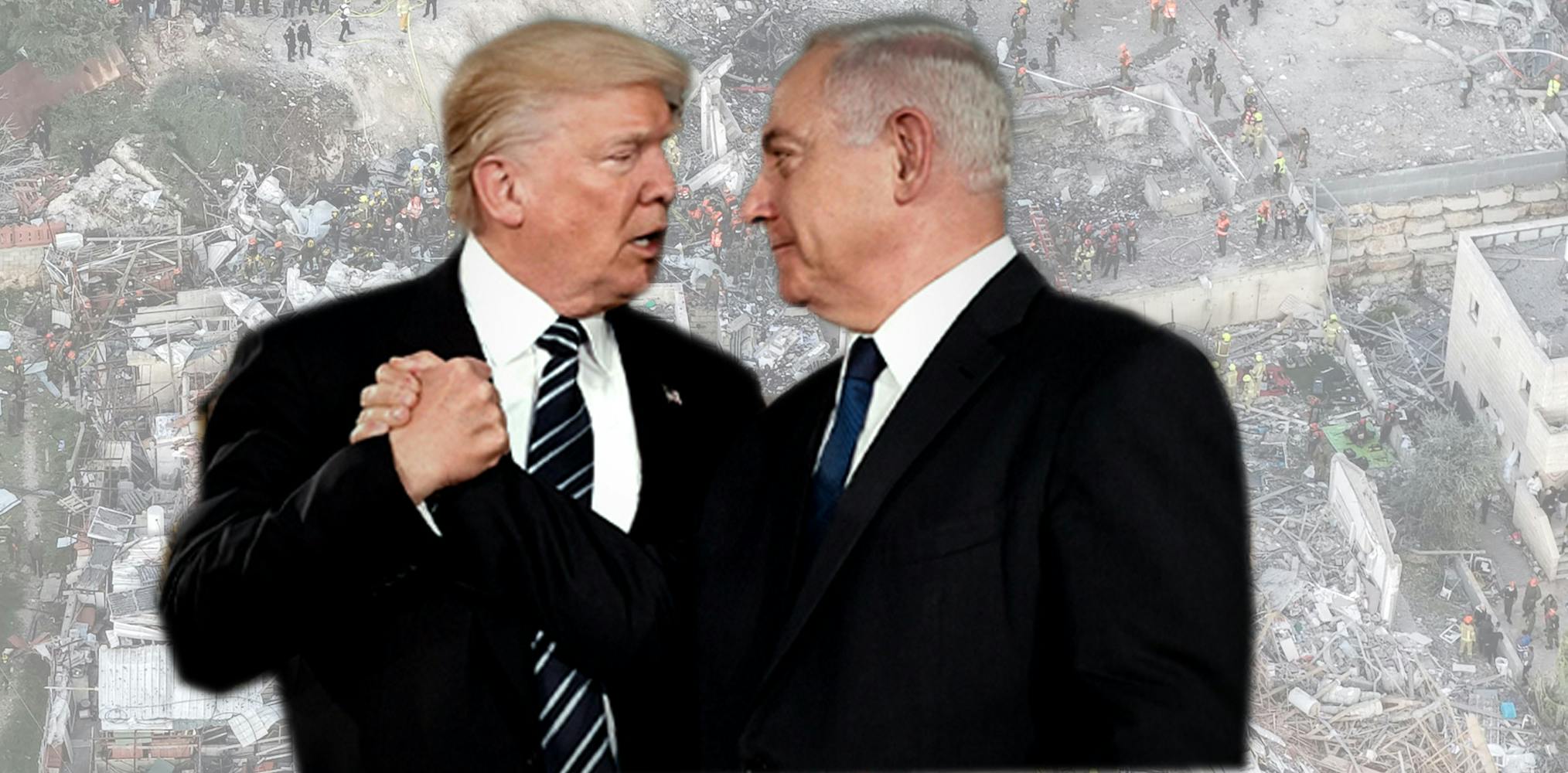
The irony of this silence is highlighted by a surreal role reversal: the U.S. leadership, despite architecting the military collaboration with Israel, has begun drawing "red lines" against its own ally regarding strikes on South Pars. This pressure forced a declaration that Israel will no longer target oil fields. Meanwhile, countries like Japan have finally asserted their presence, volunteering to help untangle the crisis in the Strait of Hormuz
It is a rare moment of dark comedy where the chief instigators are shouting "too far!" while New Delhi remains tucked in a blanket of "strategic restraint”.
When the primary belligerents are worried about the collateral damage to the global gas tank, our continued muteness doesn't look like sophisticated statecraft, it looks like we’re the only ones in the room still pretending the smoke is just part of the décor.
To the faithful, this isn't a crisis, it’s a "masterstroke" of restraint. Apparently, watching the energy crisis impacting the economy is just a sophisticated way of showing the world we aren't bothered by trifles like global energy collapses.
This is the beauty of modern hyper-nationalism: it’s the only philosophy where "doing nothing" is heralded as "doing everything, but quietly." We are told that our silence is a strategic asset.
It’s a fascinating performance paradox: we are too "strategic" to speak, yet loud enough to shout down anyone who points out the smoke.
We’ve managed to convince ourselves that as long as we don't acknowledge the fire in the oil fields in the Middle East, the heat won't reach our kitchens. It’s a bold strategy, polishing the glass ceiling of diplomacy while the floor is literally made of volatile organic compounds.
The "morally correct" path of non-interference is now yielding the most painful results: a $15 billion deficit, a ₹7.6 trillion market crash, and a burning gas field that doesn't care about our silence. It’s the ultimate irony, we chose to say nothing to stay out of the fire, only to watch the fire come to us anyway.