"There is no point to sail across seas to shake hands with an ally who wouldn't even hop over a rainy-day puddle to help you”
This is a wake-up call for any nation hunting for a "Strategic BFF" in today’s chaotic world. While you’re outside getting hammered by the storm, your "Strategic Alternative" is likely curled up on the sofa, watching the rain through a window. They’ll tweet about or hold a telephonic talk on your "civilizational bonds," but they won’t step out to hand you an umbrella. If they won't get their feet wet while you’re drowning, they aren’t an ally, they’re just a spectator.
As we stare in despair at our empty gas cylinders, my "learned friend", sounding like a proud graduate of the WhatsApp University of Geopolitics, forwarded a gem: once the Middle East stops exploding, the Gulf (GCC) will dump the U.S. for India.
Apparently, he believes that we’re just one viral forward away from ending our energy crisis forever.
It seems my learned friend has inhaled too much of the "world looks to India" rhetoric of India’s Supreme Leadership, missing the minor detail that while Iran shows grit against the U.S. and Israel, the Supreme leader is still clearing his throat, trying to find a voice that doesn't crack.
Iran’s "never-say-die" resilience proves that when the dust settles, the world won’t just be a U.S. playground or a simple West vs. Russia-China game. Local players like Iran might make things complicated with American security guarantees now looking about as sturdy as a paper shield, being Uncle Sam’s "bestie" might actually be a safety hazard. And Hence, GCC might be forced to look for alternative allies.
Maybe this logic has sent my friend into a tailspin of optimism. He’s convinced the GCC is ready to ghost the U.S. and swipe right on India. It’s a beautiful fantasy: replacing a superpower with a dream, all while our gas stoves remain as silent as our foreign policy, while the leadership banks on media manipulation to drum up its diplomatic success in securing a safe passage for its tankers.
But here’s the punchline: for the Gulf countries, picking India as a "strategic alternative" would be like hiring a yoga instructor to lead a commando raid, for, India is not an export powerhouse, does not control any major value chains and does not produce any vital commodities, such as oil. Its own internal poverty means that threats from Trump around policies such as tariffs are significant risks for India.
For the GCC, an ally that is one trade tweet away from a crisis might not be the "alternative" roof they were looking for.
Similarly, India's influence in its backyard is wavering. The sudden fall of the Hasina government in Bangladesh left India, Hasina's strategic partner sidelined, while past failures like the IPKF in Sri Lanka and losing ground to China in Nepal show its strategic limits. If India cannot secure its own neighbours, the GCC might find whether it is truly a reliable long-term partner, when it comes to choosing alternatives.
On the other hand, India, thanks to its policy of “Strategic Autonomy” has mastered the "Art of Standing Nowhere," a move so graceful it’s basically a diplomatic vanishing act. While the Gulf remembers the 1990 invasion of Kuwait and knows peace requires aircraft carriers, New Delhi might offer them a "Great Indian Comedy Show" of press releases and "principled neutrality."
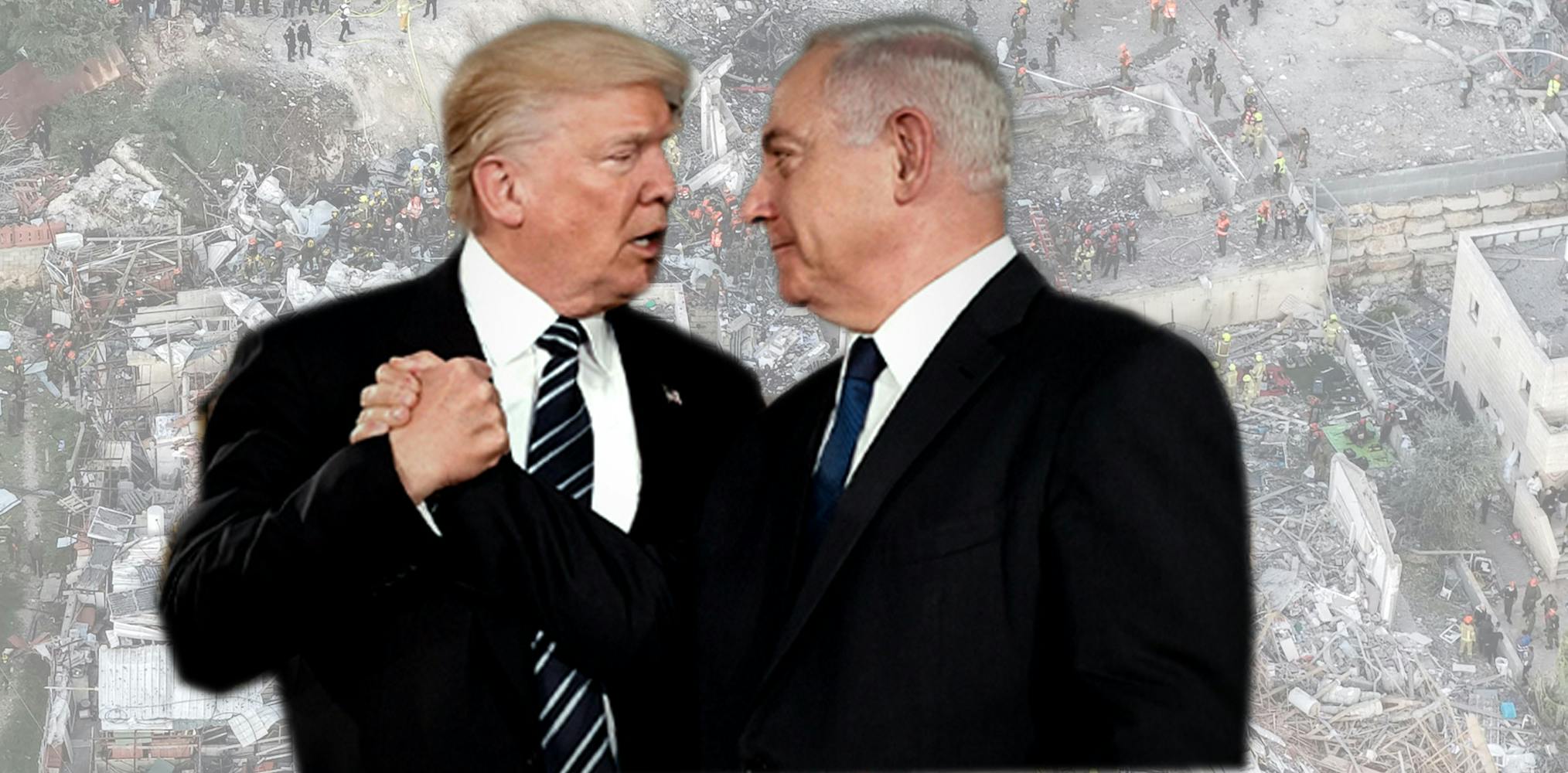
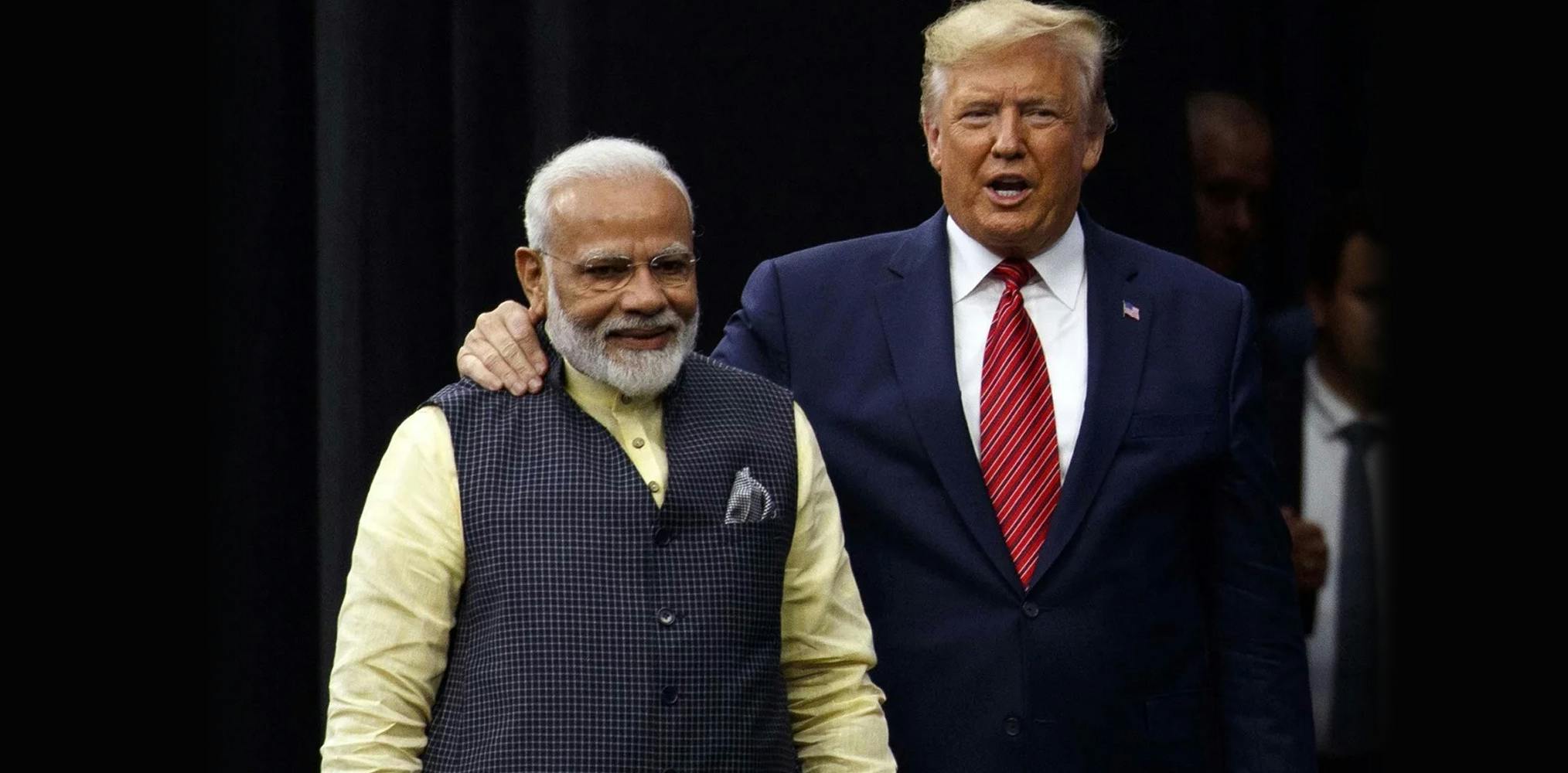
India’s favourite dance is the "de-hyphenated" shuffle. Its Supreme Leadership can hug Israel’s Prime Minister in the morning and whisper sweet nothings to Tehran by dinner, all while keeping its "Mute" button firmly pressed when the missiles start flying. To the GCC, India’s strategy looks less like "strength" and more like "existential paralysis." India is great at "Consensus-Building," which is fancy talk for waiting until the fight is over before suggesting that "peace is good."
While the U.S. is the overbearing partner who drags you into a bar fight, India is the friend who watches from the balcony and promises to rescue its own people if the building catches fire. It won't join U.S.-led naval coalitions because, heaven forbid, it might actually look like it has picked a side. Instead, it offers a masterclass in being the world’s most autonomous spectator.
If the Gulf finally decides their American umbrella is too leaky, they might look at Russia or China, both nations that actually have a plan beyond "let’s all be friends." GCC may want a partner who provides guns or a global balance sheet. What does India provide? A firm promise to remain "deeply concerned" from a safe distance and perhaps an invitation to a joint yoga session while the neighborhood burns.
The message for the GCC is simple: Call Washington if you want to fight. Call Moscow or Beijing if you want a mediator. But if you want someone to watch you fight while maintaining a look of shocked innocence, India is your primary "non-alternative."