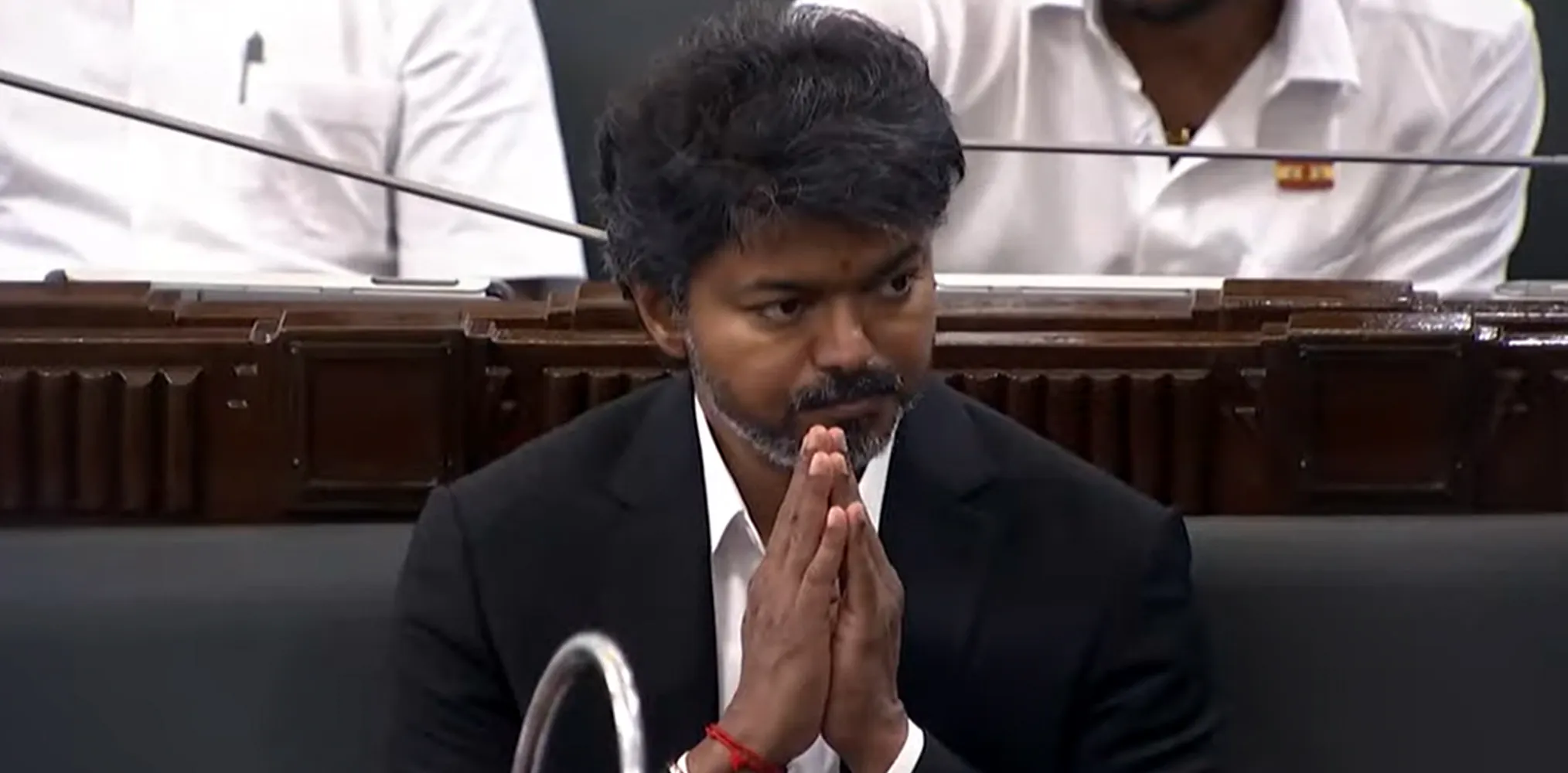
A political controversy has erupted after Manas Bhunia Tiwary allegation context (commonly referred to as Tiwary in reports) claimed that around 70–72 candidates allegedly paid nearly ₹5 crore each to the All India Trinamool Congress (TMC) in exchange for election tickets. He further stated that he was denied a ticket because he refused to pay, suggesting a “cash-for-candidacy” practice within the party. The allegation has stirred intense debate, raising questions about transparency and internal processes in candidate selection.
If true, such claims point to a deeper issue in electoral politics where financial power may overshadow merit, grassroots work, or public support. The idea that candidates might need to pay large sums to secure a ticket undermines democratic values and equal opportunity in elections. It also raises concerns about how such financial investments could later influence governance, potentially encouraging corruption as candidates attempt to recover their expenses after being elected.
The Election Commission of India and other watchdogs may face pressure to examine these claims, though proving such allegations is often complex without concrete evidence. Meanwhile, the TMC has denied wrongdoing, and the issue is likely to remain politically charged, with opposition parties using it to question the ruling party’s integrity. Ultimately, controversies like this highlight the urgent need for greater transparency and accountability in political funding and candidate selection processes.