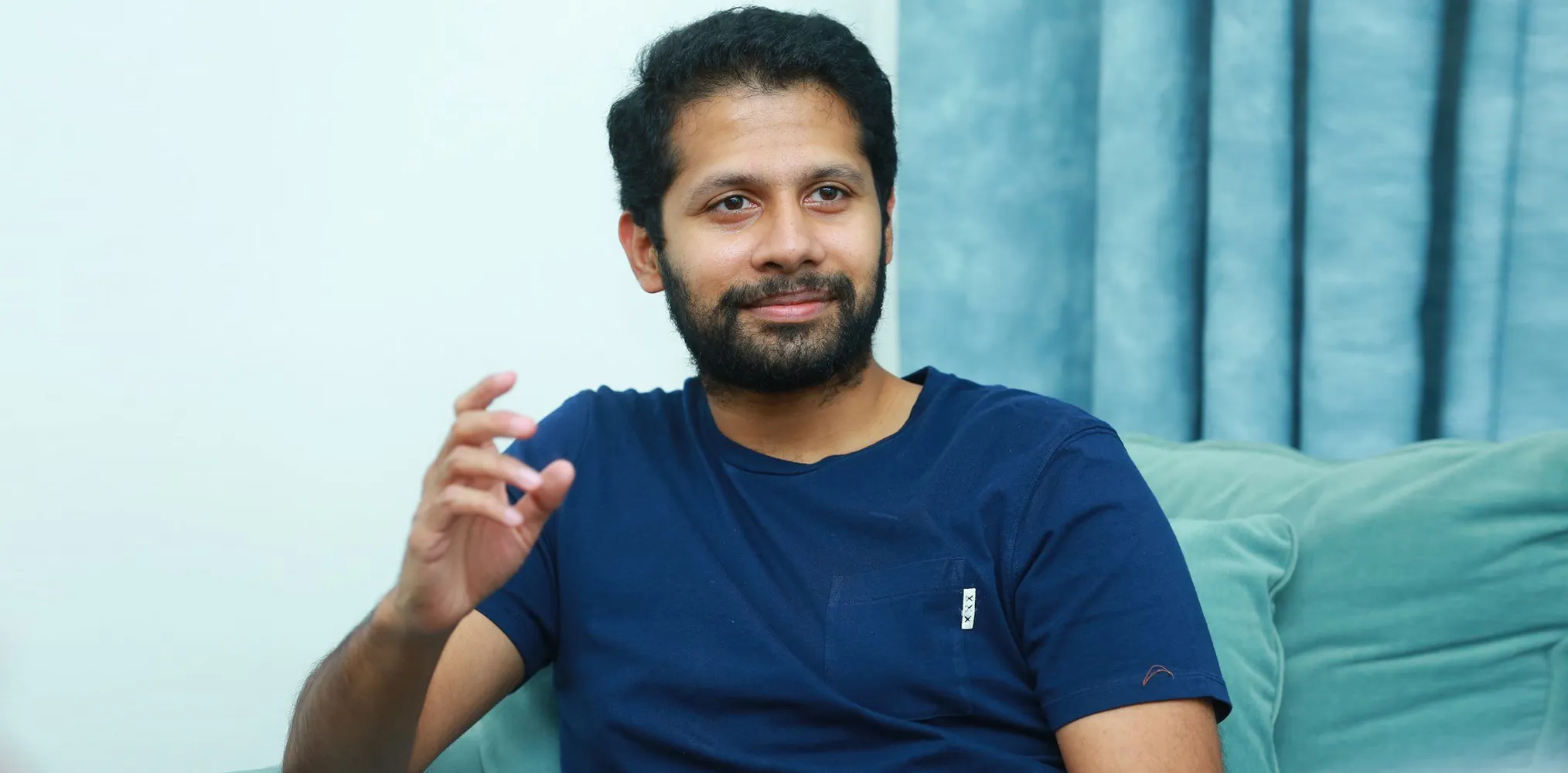
Filmmaker Venky Atluri has entered the fray of the ongoing discourse surrounding Bollywood's workplace dynamics, particularly in light of recent calls for more humane working hours, exemplified by Deepika Padukone's advocacy for an eight-hour shift. Atluri, known for his work in Telugu cinema, expressed that any future endeavor in Bollywood would require a keen understanding of its unique work culture. He stressed the importance of adaptation over expectation, asserting that filmmakers must immerse themselves in the local practices before taking the helm of a project. His remarks come at a pivotal moment when discussions about actor welfare and industry norms are taking center stage.
In an insightful interview, Atluri articulated his philosophy of 'when in Rome, do as the Romans do,' emphasizing that filmmakers and actors transitioning from other industries need to familiarize themselves with Bollywood's distinct rhythms. He plans to dedicate a minimum of three months to acclimatization should he embark on a Hindi film. This period of observation would not only allow him to understand the nuances of the sets and schedules but also ensure that he respects the established industry standards. His commitment to understanding and integrating into the Bollywood ecosystem reflects a broader need for cultural sensitivity in an increasingly interconnected cinematic landscape.
Atluri's perspective is particularly relevant as Bollywood grapples with evolving work practices amid a shifting cultural zeitgeist. Recent years have seen a growing demand for better working conditions across the film industry, with actors and crew members advocating for more structured hours and improved quality of life. The filmmaker's emphasis on the disciplined work ethic prevalent in the Telugu film industry—where shoots typically commence early and the production schedule is meticulously planned—serves as a reminder that each regional cinema has evolved its own set of operational standards that must be respected by newcomers.
As he prepares for the release of his upcoming film, 'Vishwanath and Sons', Atluri’s reflections on adapting to different cinema cultures resonate with many in the industry. He highlighted that respecting local work cultures is not merely about compliance; it is about fostering an environment where artistic expression can thrive unencumbered by cultural misunderstandings. He reiterated his commitment to understanding and adhering to the conditions of the 24 crafts involved in filmmaking, signaling a hopeful shift toward more collaborative and respectful engagement across India’s diverse film industries.