“Those who tell the stories rule society”— Plato
This timeless wisdom by the Greek philosopher highlights that ultimate political power belongs not just to those who write the laws, but to whoever controls the dominant public narrative. Historically, ruling elites maintain power by shaping reality, defining who the enemy is and crafting an aura of "divine purpose." However, when ordinary citizens strip away this official script and deploy grassroots media to tell their own stories, the regime's psychological monopoly fractures.
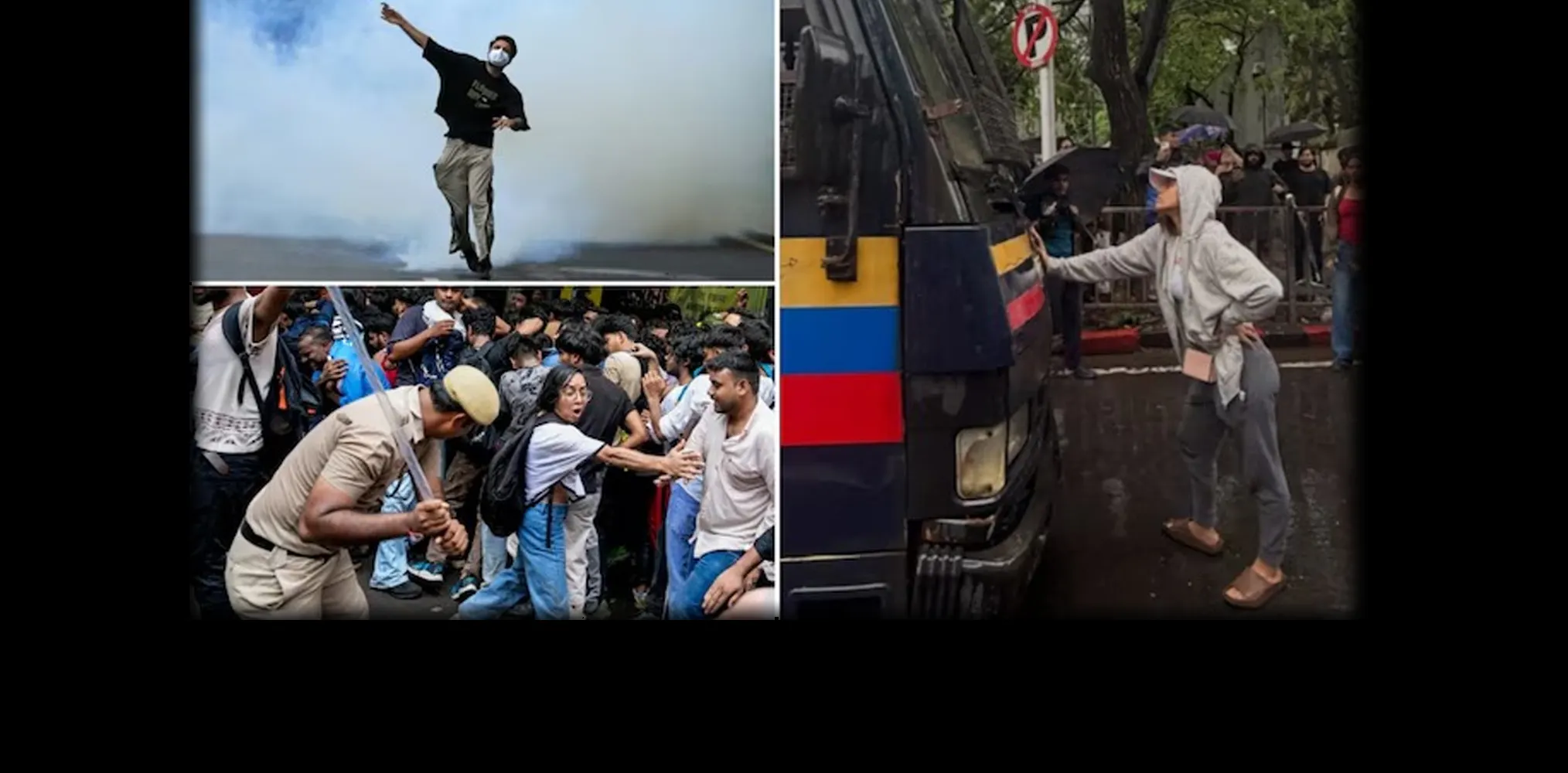
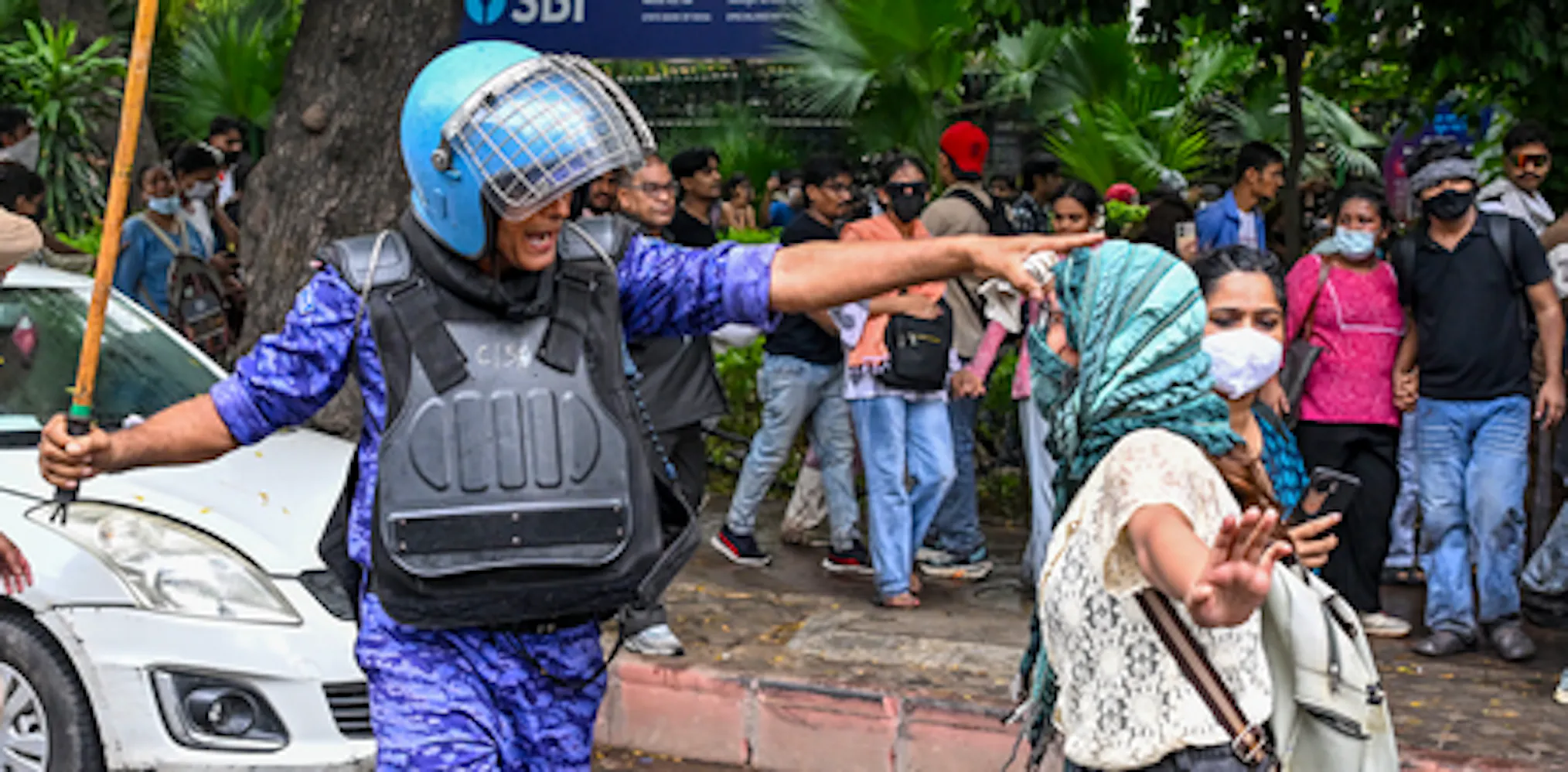
The absolute relevance of this truth has resonated across generations, finding its latest echo in the recent digital chaos of the Gen-Z protests on the parliamentary streets of New Delhi.
Recall the “Glorious Revolution” and the fall of King James II of England in 1688, a classic historic example where a regime's heavy-handed propaganda and censorship were defeated by a superior, grassroots counter-propaganda campaign run by its subjects. Ultimately, the event demonstrated that citizen-led counter-narrative warfare can fatally undermine a centralized state's narrative hegemony, resulting in a rapid erosion of manufactured consent that even co-opts the state’s security apparatus
A striking political metaphor of this historic event unfolded during the recent Gen-Z protests in India’s national capital. By drawing a parallel with the discourse near the Parliament in New Delhi, the intent is not to cynically or anti-nationally equate the BJP-led Central regime with a 17th-century absolute monarch. However, it remains an open secret that over the last decade, the ruling party has employed every trick to indulge in heavy-handed propaganda, attempting to enforce a centralized narrative hegemony to suppress democratic dissent.
Ultimately, the capital street protests demonstrated that modern citizen-led digital warfare can fatally undermine a ruling party's public relations machinery, resulting in a rapid erosion of its manufactured consent. When a new generation replaces traditional state control with decentralized information networks, the official script goes out the window, showing that today’s digital subjects can collapse a political narrative just as effectively as the pamphleteers of 1688.
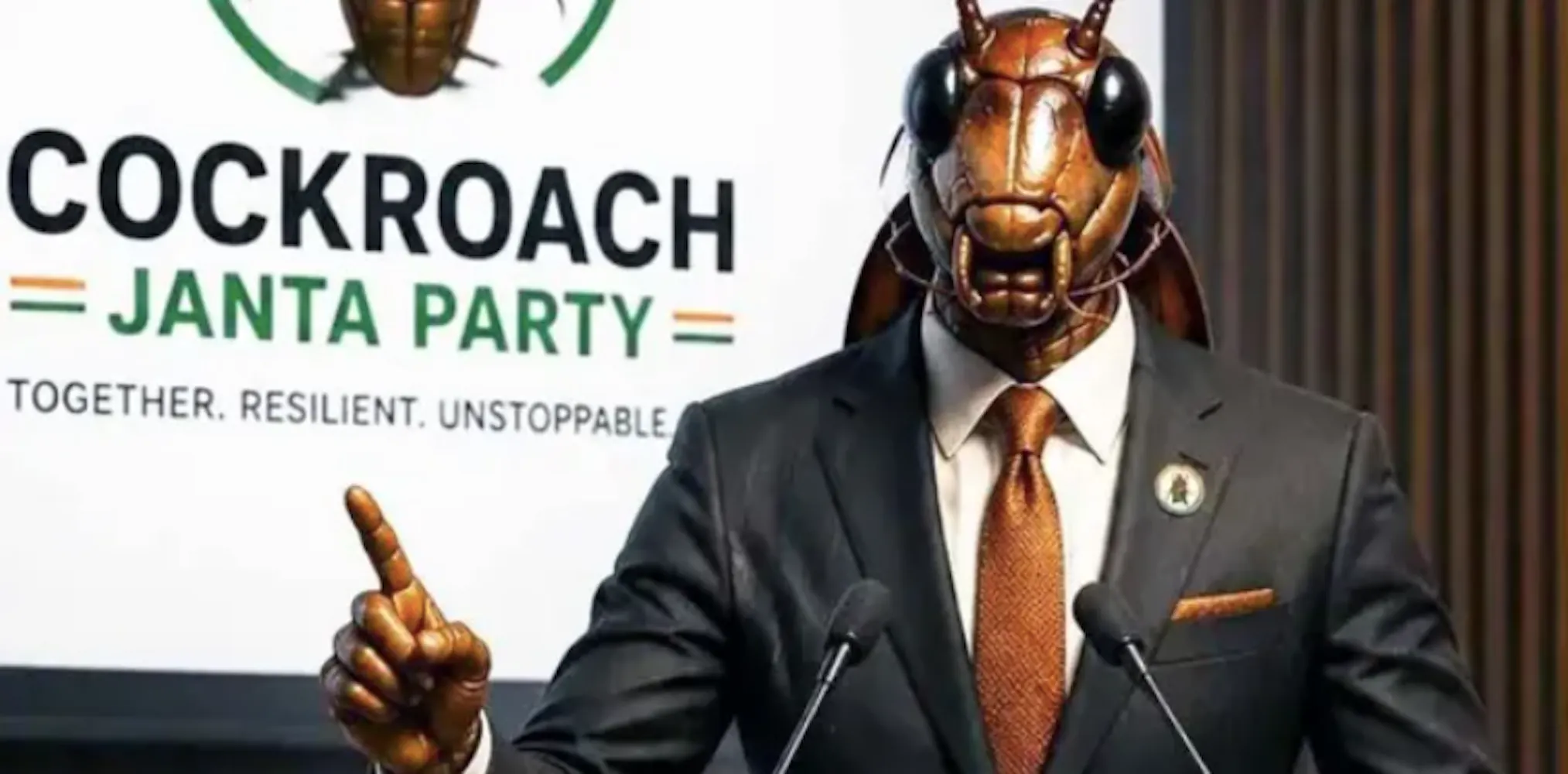
Just as the 1688 rebels weaponized the satirical song "Lilliburlero" to dismantle King James II’s authority, the protesting youth completely overturned the BJP’s long-standing dominance on social media platforms through modern digital warfare. Their critique was interlaced with relentless mocking, cutting derision, and dauntingly irreverent humor, deploying the exact same online trolling tactics that Hindu nationalist circles have weaponized for years.
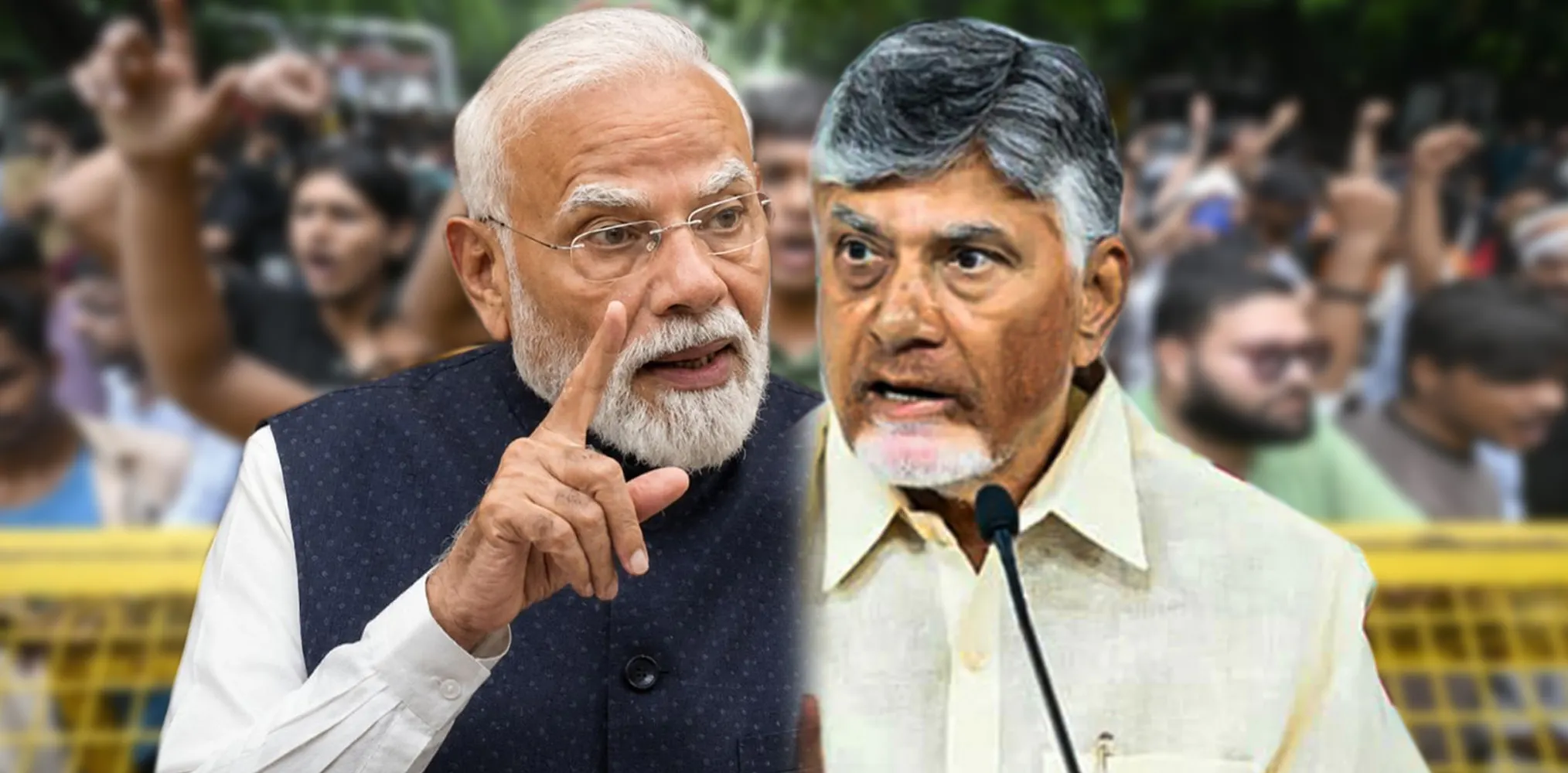
In fact, what began as a localized street demand for the resignation of the Union Education Minister rapidly morphed into a scathing, widespread critique of the regime's supreme leader. Much like the catchy 17th-century tune that dissolved the British crown's mystique, a barrage of citizen-led digital satire stripped bare a carefully confected political image, built on the bizarre claim of being a "non-biological entity" sent with a divine purpose, within a matter of days.
Has this pervasive ecosystem of dread been permanently dismantled? Declaring an absolute victory would be short-sighted. Much like the Stuart monarchy plotting its revenge, the ruling party is bound to launch a fierce counter-offensive the moment the political winds shift. True to the playbook of right-wing populist regimes globally, it treats freedom of expression as an exclusive ruling-party privilege while ruthlessly curtailing it for adversaries and dissenters. Yet, the subjects' recent counter-offensive has broken the narrative siege, and critical spaces for democratic dissent have undoubtedly opened up.
At this juncture, this youth-led mobilization has shattered the illusion of the regime's invincibility by proving that state-sponsored narrative hegemony can be fearlessly dismantled. Beyond the digital battlefield, this grassroots wave is actively dictating a new discourse for party politics, forcing recent defectors from regional parties to anxiously wonder whether they switched their loyalties in too much haste.
Simultaneously, while it remains ambiguous whether opposition parties, specifically Congress, have gained direct political currency, their alignment with this grassroots defiance will not go unnoticed by an energized youth demographic. This shifts the immediate calculus of electoral politics to a critical juncture: how will this movement reshape the strategies of both a humiliated ruling party, currently nursing the wounds of its exposed vulnerabilities, and an opposition looking to borrow a leaf from the youth's playbook of courage?
Whether this disruption will permanently alter the trajectory leading up to the next general elections is far too premature to predict. However, one reality is indisputable: this youth-led counter-offensive has halted the regime's march toward total narrative hegemony, opened up critical new spaces for dissent, and permanently punctured the supreme leader’s carefully manufactured aura.