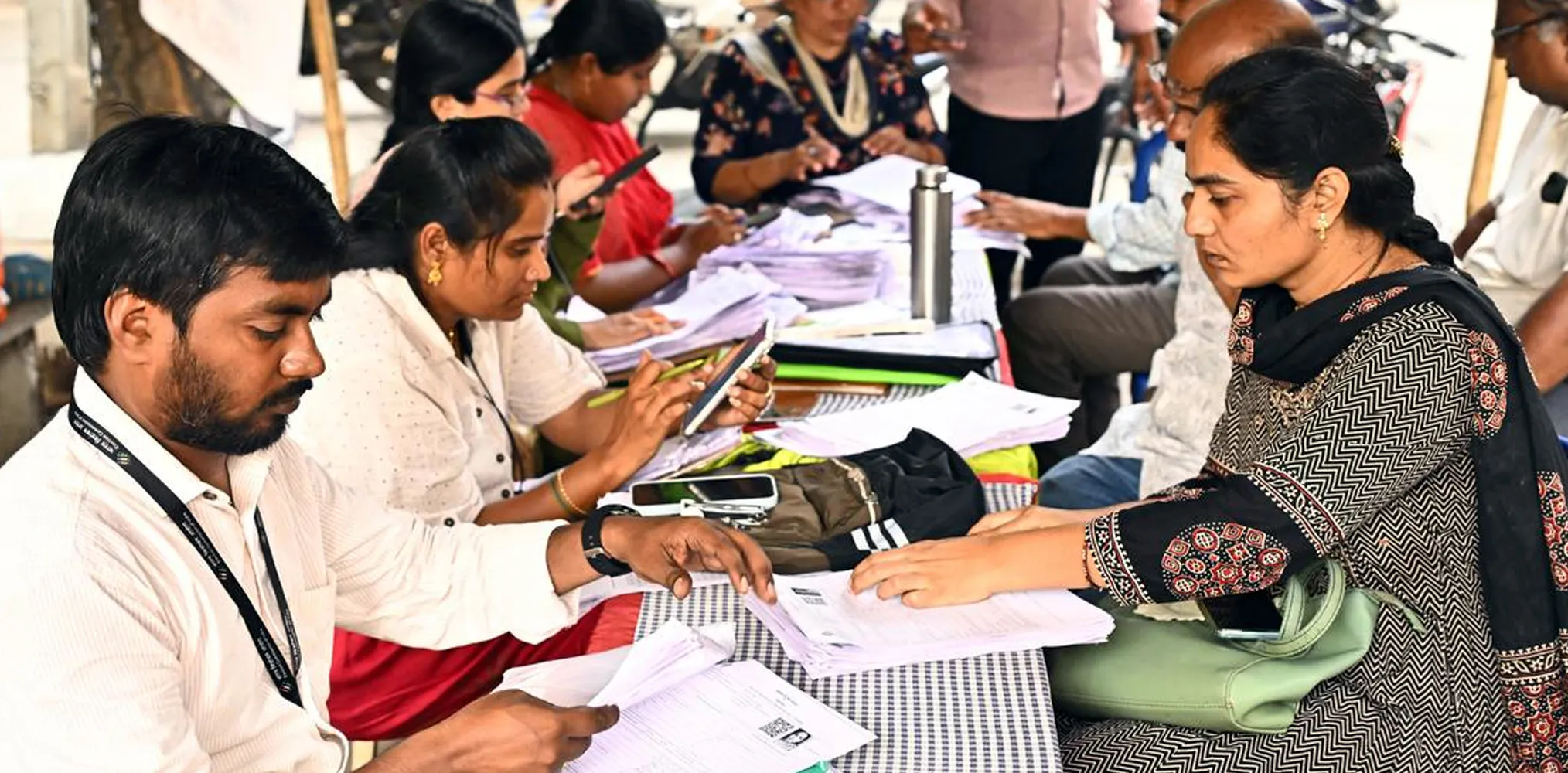
“Bewakoof Aur C** Mein Dhaage Bhar Ka Farak Hota Haiga Bhaiya … Dhaage Ke Ingay Bewakoof Aur Ungay C**Aur Joh Dhaaga Hainch Lo, Toh Kaun Hai Bewakoof Aur Kaun Hai C, Crore Rupiye Ka Prashan Hai Bhaiya"("There is only a thread's breadth of difference between a fool and an idiot. On this side of the thread stands the fool, and on the other side, the idiot. But if you pull that thread away, who is the fool and who is the idiot? That is the million-dollar question)- An Iconic dialogue from “Omkara”, Bollywood Movie
This iconic dialogue from the film Omkara, delivered by the antagonist Langda Tyagi, uses cynical, street-smart rhetoric to expose the illusion of human distinction. Tyagi's monologue argues that the boundaries separating different factions of the naive are entirely artificial; once that superficial dividing line is pulled away, all distinctions vanish, exposing a shared, universal vulnerability.
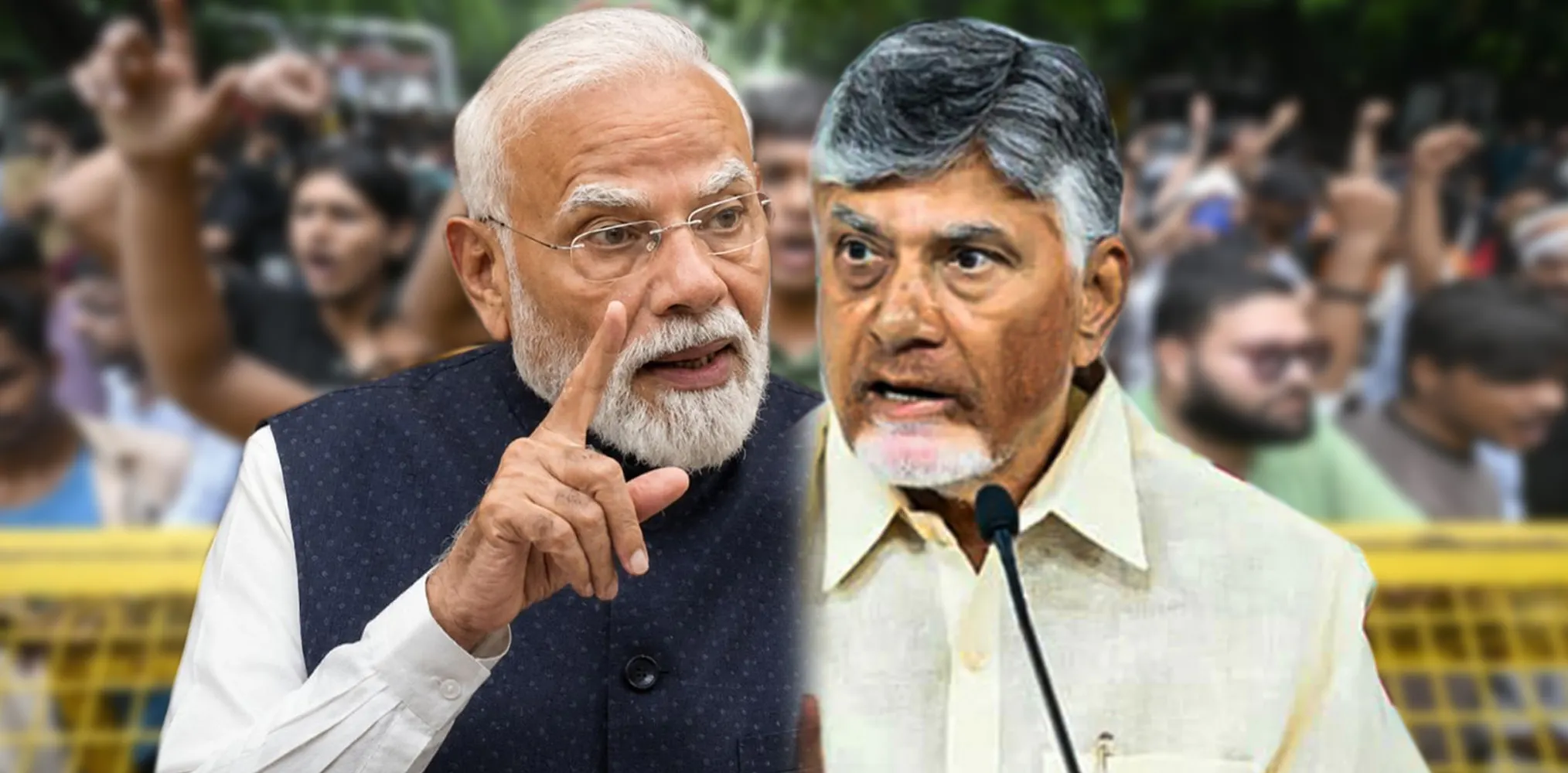
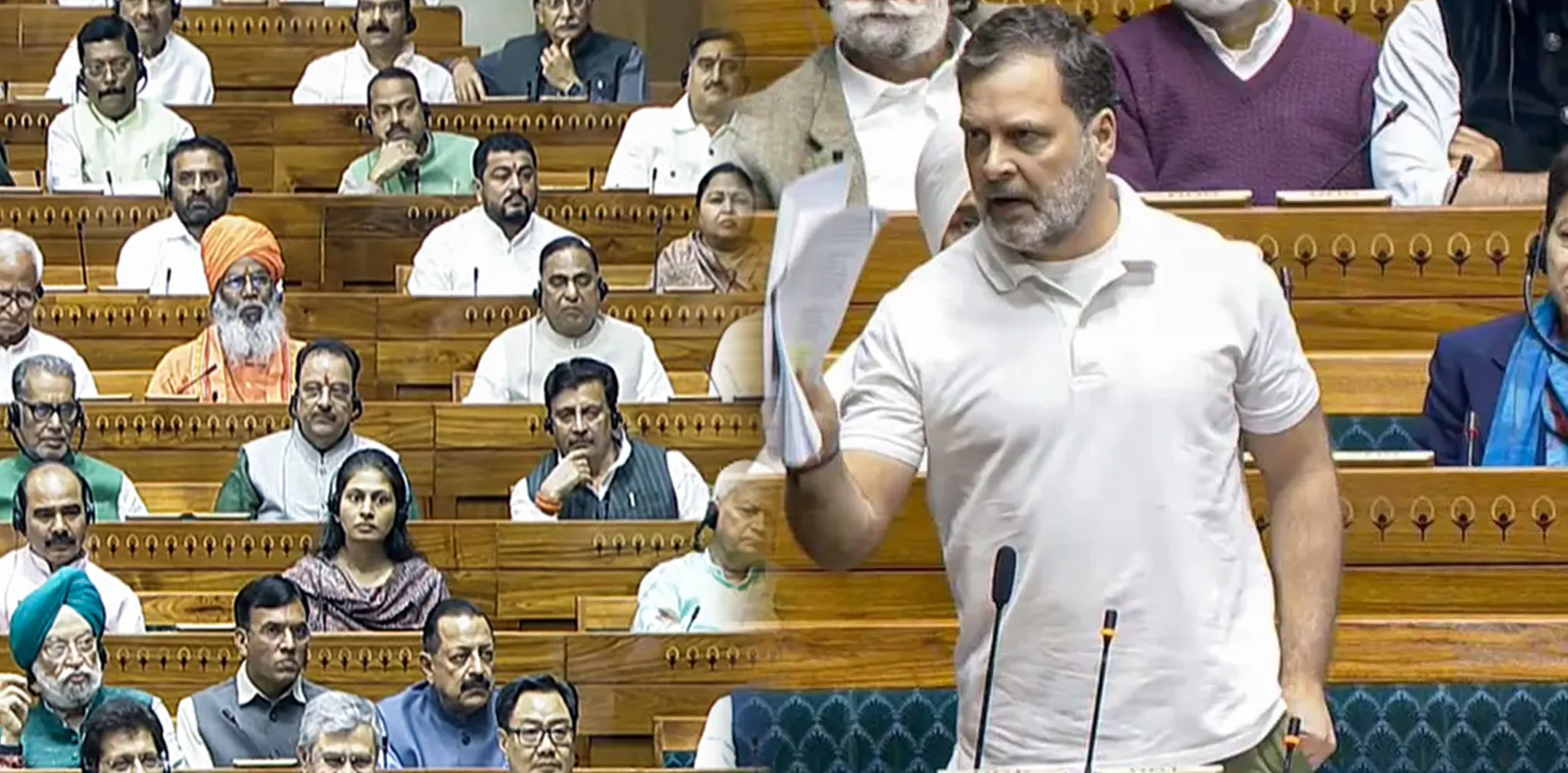
This exact philosophical blurring of lines reemerged on the floor of the Lok Sabha during a heated debate on the Public Examinations (Prevention of Unfair Means) Amendment Bill, 2026. Striking a remarkably similar rhetorical chord, Leader of the Opposition (LoP) Rahul Gandhi attempted to categorize citizens into three distinct political archetypes: students, idiots (who proclaim themselves godly beings), and their ideological loyalists (Andhbhakts).
The discourse rapidly escalated into a fierce adversarial confrontation when Gandhi accused Union Home Minister Amit Shah of directly authorizing force against student agitators. In drawing these sharp, polarizing lines while launching a high-stakes offensive against the Treasury benches, Gandhi's parliamentary maneuver closely mirrored Tyagi's cynical worldview, ultimately blurring the boundary between strategic political dissent and high-octane political theater.
Though the LoP’s sharp vocabulary pushed parliamentary boundaries, his underlying logic perfectly mirrors historical precedent.
During the 2011 Monsoon Session, it was the BJP, then in opposition, demanding maximum ministerial accountability over police action against Bharatiya Janata Yuva Morcha (BJYM) protesters marching toward Parliament. The BJP’s insistence that the then Union Home Minister, P. Chidambaram, own the moral failure and resign underscores a timeless truth of Indian politics: the rhetoric of opposition remains identical, regardless of who sits on which side of the aisle.
The true crux of this debate lies far beyond unparliamentary rhetoric or shifting party principles. Instead, it exposes the ultimate political irony, much like Langda Tyagi's vanishing thread, where the rigid standards of accountability demanded by an Opposition are entirely temporary, routinely dissolving the very moment they cross the aisle into government.
Beyond the immediate legislative fallout, this parliamentary deadlock lays bare the ruling party's deepest fears and a collapsing narrative. For twelve years, the government has anchored its legitimacy on being the definitive custodian of the nation's youth, while safely exiling external dissent to the fringes as anti-national.
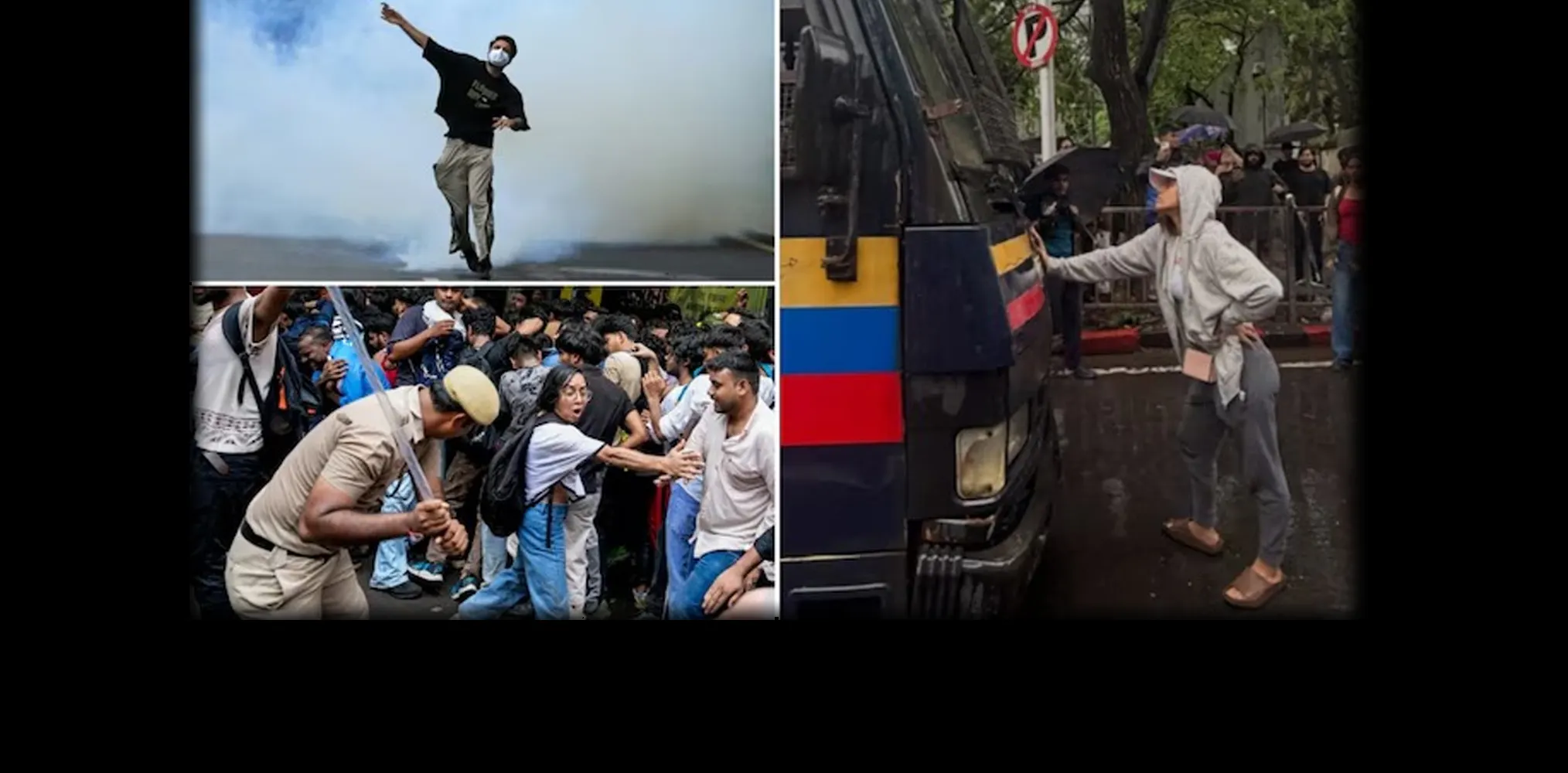
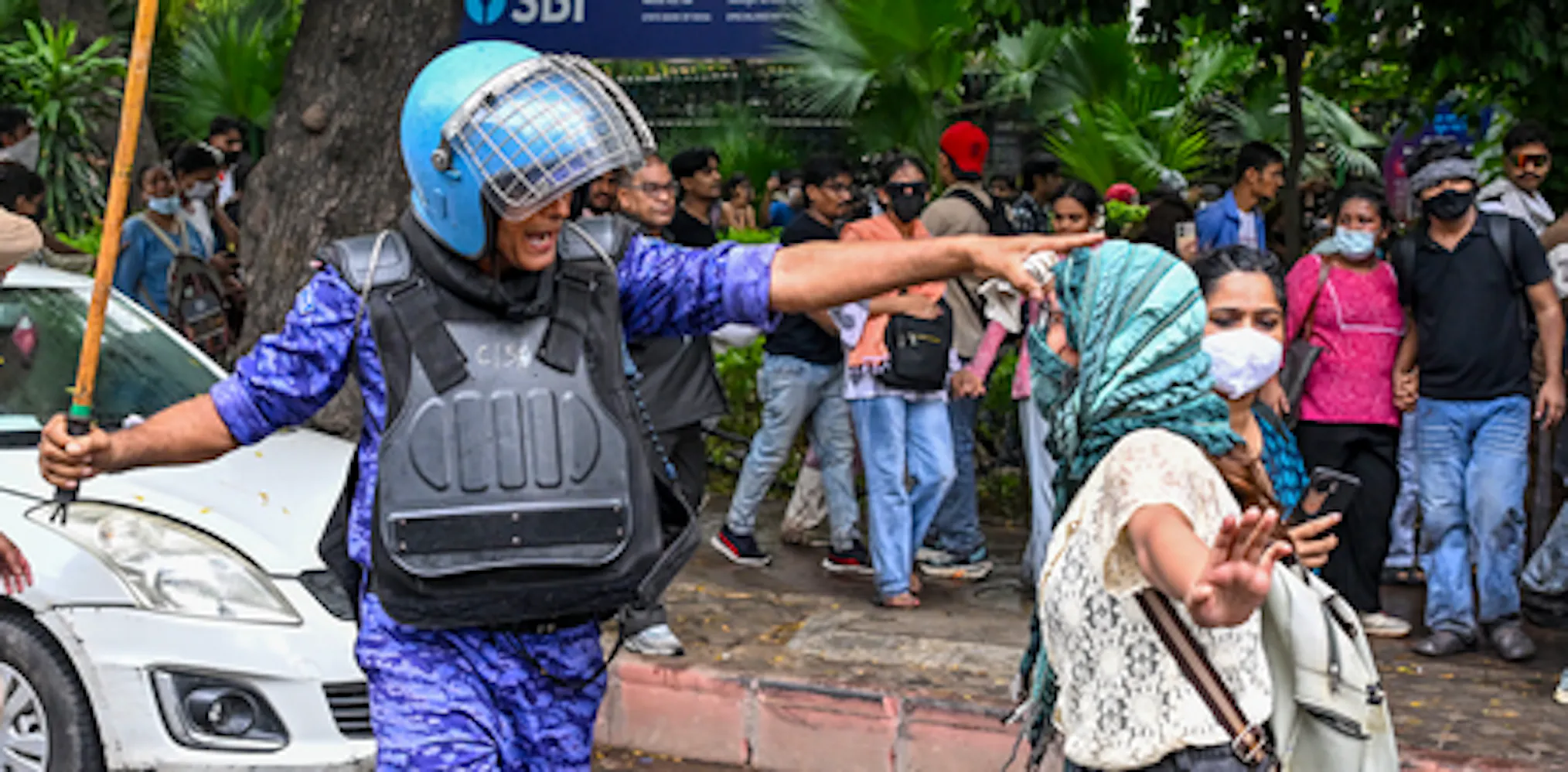
But when the youth themselves turn to the streets, that artificial divide vanishes. Faced with the anxieties of its own generational voter base, the state's reliance on heavy-handed crackdowns, marked by lathi charges, tear gas, and communication blackouts, exposes a severe crisis of authority, reducing a panicked regime to a stark political absurdity: branding its own primary constituency as internal adversaries.
Therefore, the ruling party's aggressive counter-offensive against these unparliamentary charges is driven less by generic outrage and more by the haunting fear of a youth-led opposition alignment. Even though clear indicators of such a political migration remain absent, the preemptive uproar reflects a nervous establishment reacting to its own worst-case scenario.
While evidence of a definitive youth exodus toward the opposition remains inconclusive, the real casualty of this standoff is the regime's singular narrative. The illusion that the ruling party is the lone defender of public aspiration has shattered, signaling a profound shift where the government no longer holds an absolute monopoly over the country's collective conscience.
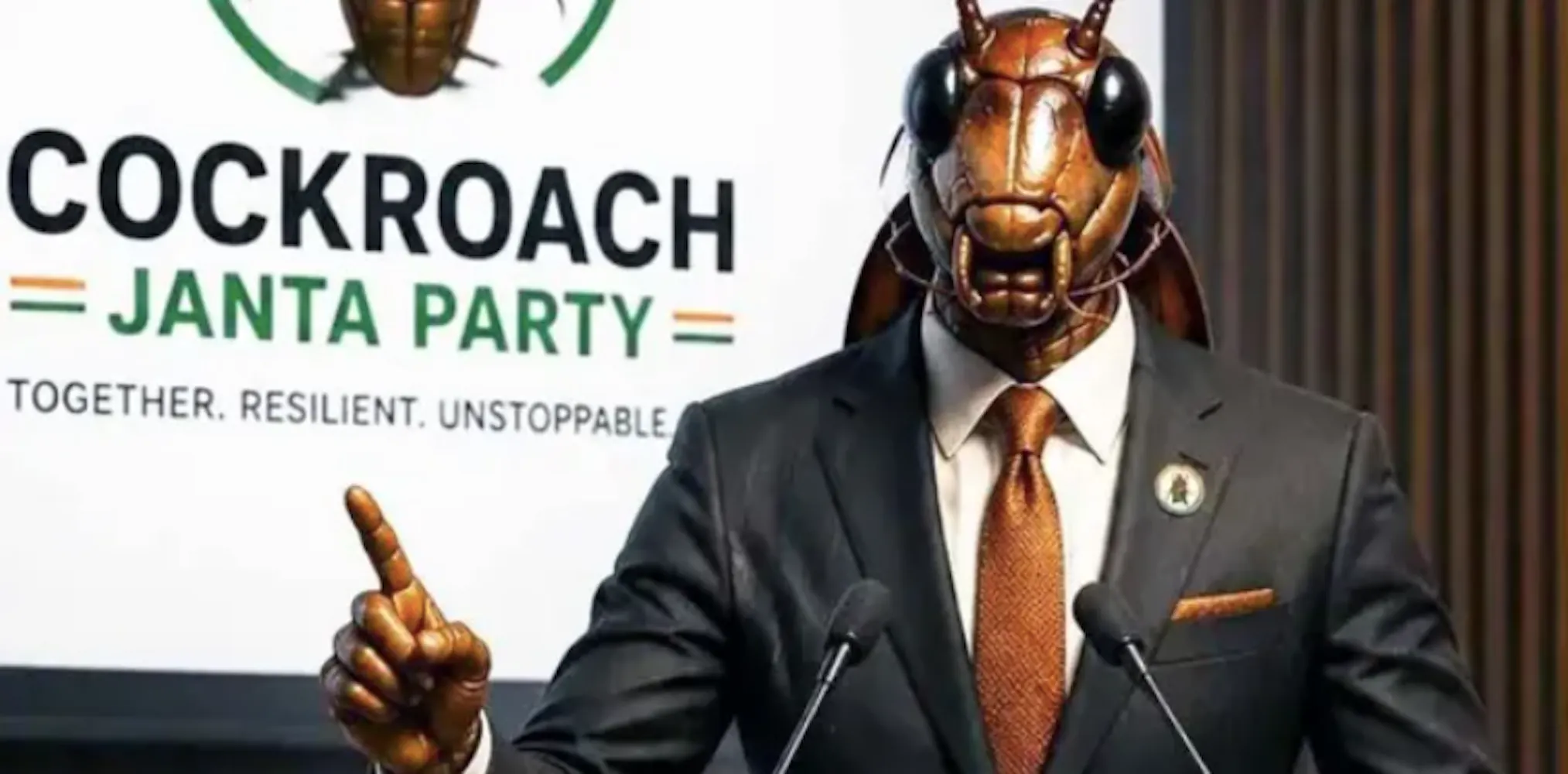
In the final analysis, the mobilization at Jantar Mantar underscores a deeper reality: the political class is locked in an unstable Gen Z 'situationship.' With no single leader commanding their absolute loyalty, a desperate establishment and opposition alike are pushing the boundaries of parliamentary decorum just to catch the attention of a highly fickle voter base.
Though public sympathy seems to fluctuate, the connection between these youthful protesters and political leaders is just a temporary 'situationship.' This volatile tie mirrors Langda Tyagi’s thin thread: conditional, performative, and entirely vulnerable to the next political shift.