“If you cannot defeat an intellectual argument, simply label the intellectual a national security threat.”
This axiom reflects a long-standing political tradition: to silence dissenters who demand accountability, the ruling class first destroys their reputation. This strategy mirrors the old proverb: "If you want to kill a dog, give it a bad name." Globally, when authorities cannot counter a critique, they brand the critic as a danger to society to justify destroying them.
There is a famous anecdote about a mother who asked Albert Einstein how she could prepare her son to become an intellectual. To her surprise, his answer was simple: “Read them fairy tales.” Einstein believed that true learning thrived on joy, curiosity, and independent thinking. In today’s political landscape, however, that anecdote feels like a relic from a forgotten civilization.
Had that mother been alive today, she would not dare to raise an intellectual. In the current political discourse, fostering critical thought is no longer a proud parental goal, it is a dangerous potential liability.
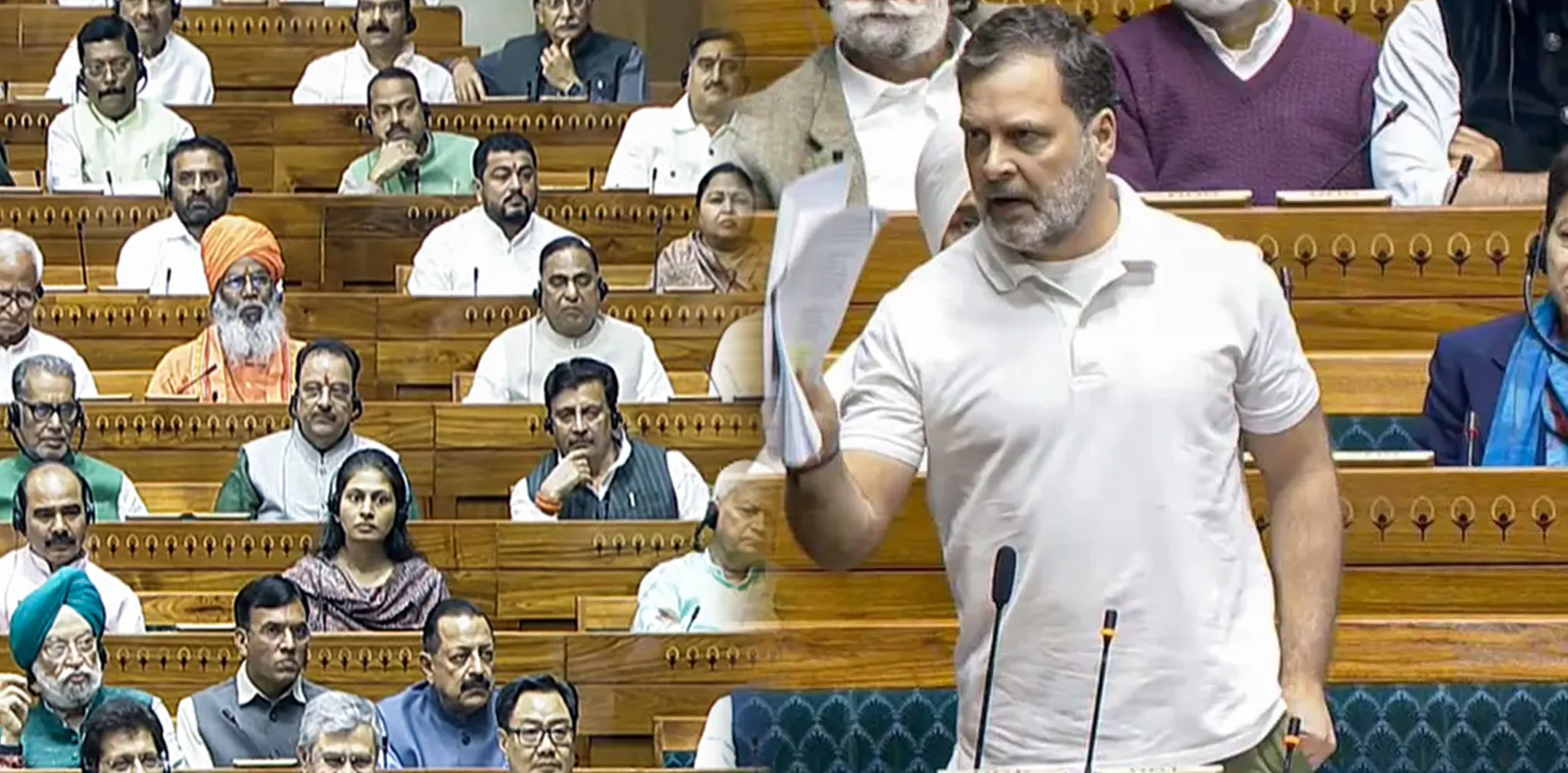
This shift is driven by a carefully manufactured political lexicon designed to suppress democratic discussion through a colorful assortment of branding. Over the past decade, labels like the "Tukde-Tukde Gang" and "Khan Market Gang" have steadily evolved to silence dissent. Critics of agricultural policies were branded "Andolanjeevis" (professional protesters), while activists, journalists, and professors routinely became "Urban Naxals."
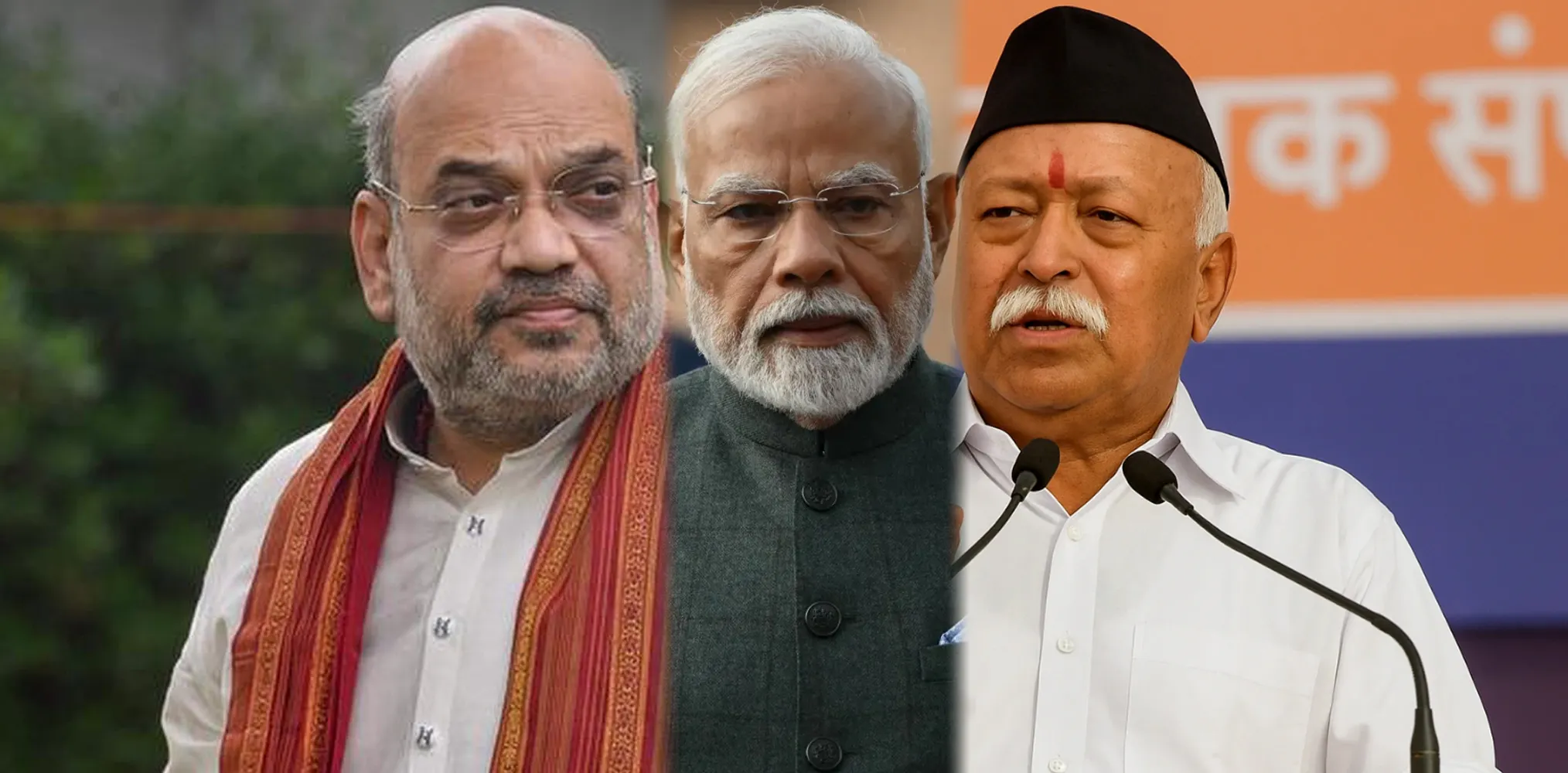
This labeling machinery reached its peak when the term "Dhimagi Naxal" (Intellectual Naxal) was introduced to the nation from the ramparts of the Red Fort on Independence Day. The irony was absolute: using a monument of national freedom to declare critical thinking a threat to the state.
Of course, this is not an entirely original invention, but an adaptation from a grand global playbook. From 1950s American McCarthyism and Richard Nixon’s "Enemies List" to the modern Western panic over the word "Woke," democracies under pressure have long shared a common mechanism: when leaders cannot defeat an argument, they simply target the speaker's credibility.
In the present Indian political propaganda ecosystem, mainstream media has been acting as the state's crucial amplifier, turning political paranoia into daily household folklore through high-decibel evening shouting matches. Instead of analyzing why citizens question state policies or why the government fails to build public consensus, prime-time anchors flash bold labels across breaking-news tickers to hunt down the latest "Dhimagi Naxal." This relentless broadcast successfully trains the public to fear the critical thinker long before they even understand the policy being debated.
This coordinated labeling serves two highly effective purposes: polarization and delegitimization. By destroying all nuance, it divides the citizenry into a simple binary of the compliant "Nationalist" versus the questioning "Anti-Nationalist." Consequently, any citizen raising concerns about governance is stripped of their status as an engaged voter and framed as an enemy of the state. In this environment, asking for accountability is treated as an act of subversion, sending a clear message that true patriotism requires total compliance, not to the nation itself, but to its ruling leadership.
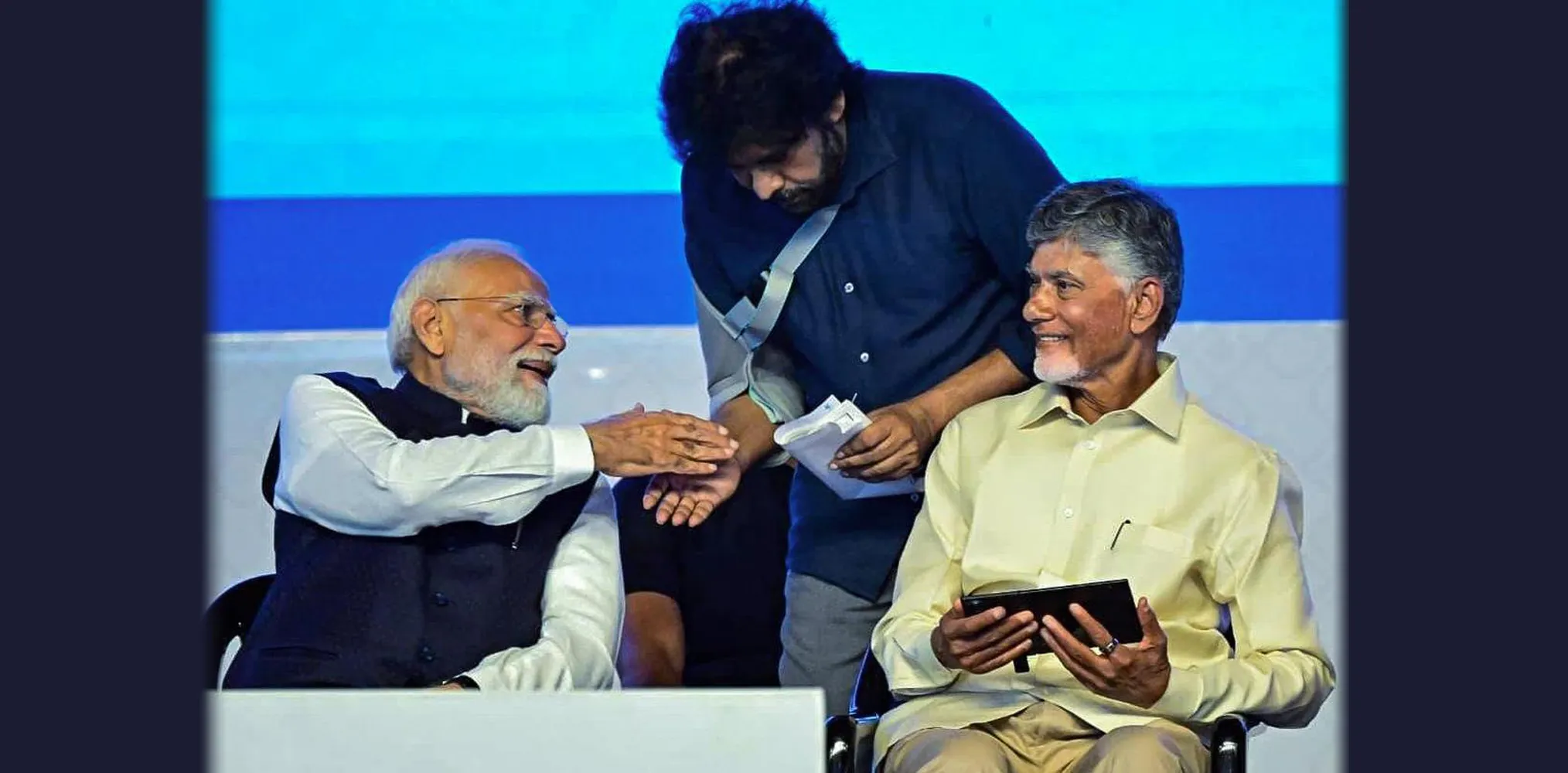
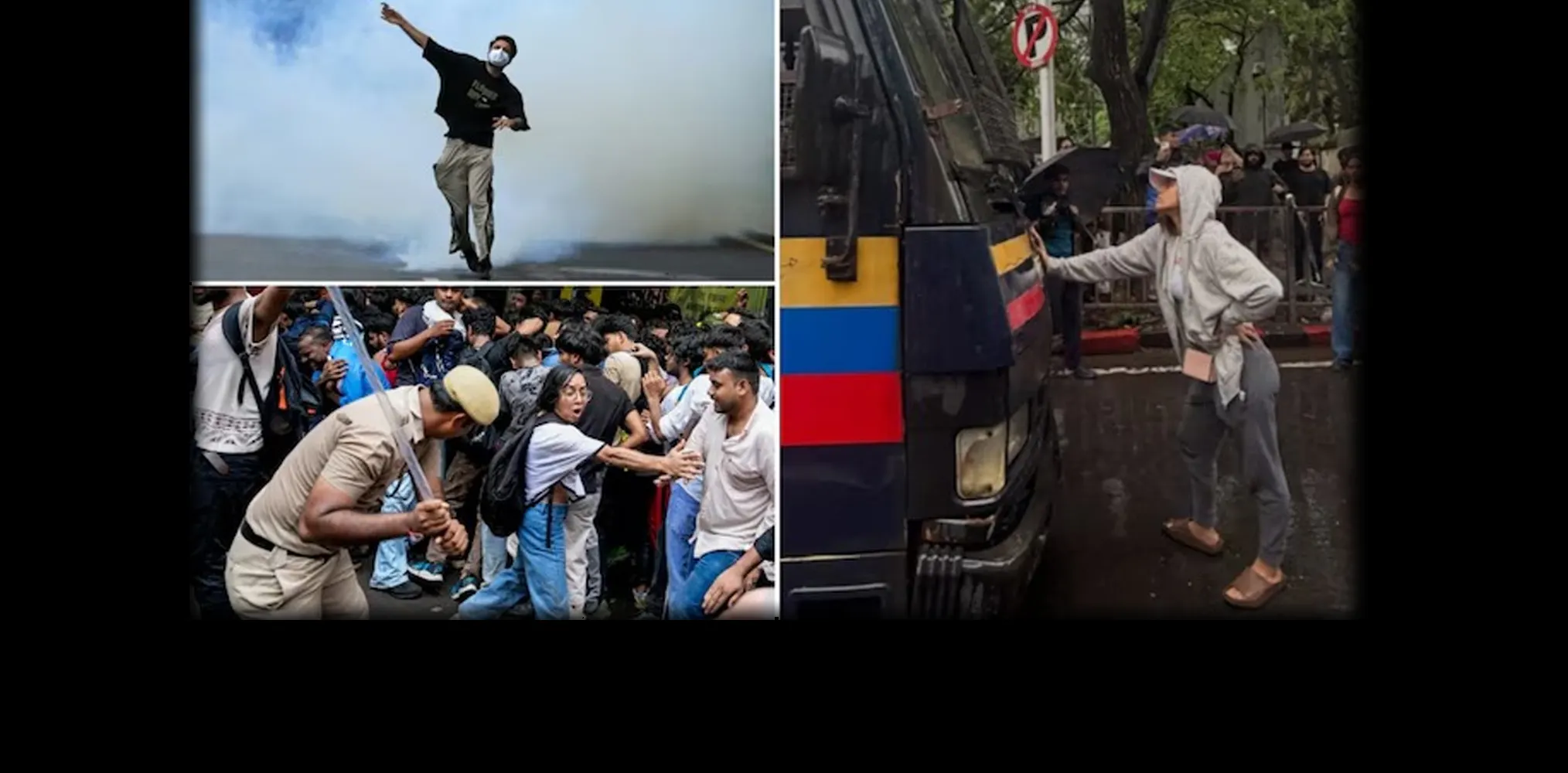
This strategy becomes most aggressive when the carefully built image of leadership shatters under the weight of policy failures, and the terrifying prospect of losing the trust of a restless youth looms large. When complex policy defenses are impossible to sell, the state manufactures an imaginary antagonist to prevent an entire generation from demanding jobs.
It is no surprise that a leader who once compared his empathy for riot victims to a puppy run over by a car, showing a complete absence of personal regret or accountability, would easily label democratic critics as a national threat.
The "Dhimagi Naxal" tag acts as the perfect shield. As the leadership panics over losing its grip on young voters, the narrative aggressively pivots from "Why is there no accountability for policy failures?" to "Who is conspiring against the nation?" By directing public attention toward a manufactured internal enemy, a leadership that once operated on the assumption of absolute invincibility now uses state paranoia to suffocate uncomfortable questions regarding governance failures, decaying infrastructure, and widespread institutional collapse.
If the mother who questioned Einstein were alive today, she would likely keep her son far away from independent thought. The safe path forward no longer requires curiosity, imagination, or a book of fairy tales. It simply demands a steady diet of subservience to the political leadership, a slavish eagerness to agree, and a complete, unquestioning avoidance of the word "Why?"
Ultimately, this moral and political decay should shock no one. It is entirely fitting that a leader who once allegedly compared his empathy for riot victims to a puppy run over by a car, showing a complete absence of personal regret or accountability, would choose to close his argument by labeling democratic critics as a national security threat.