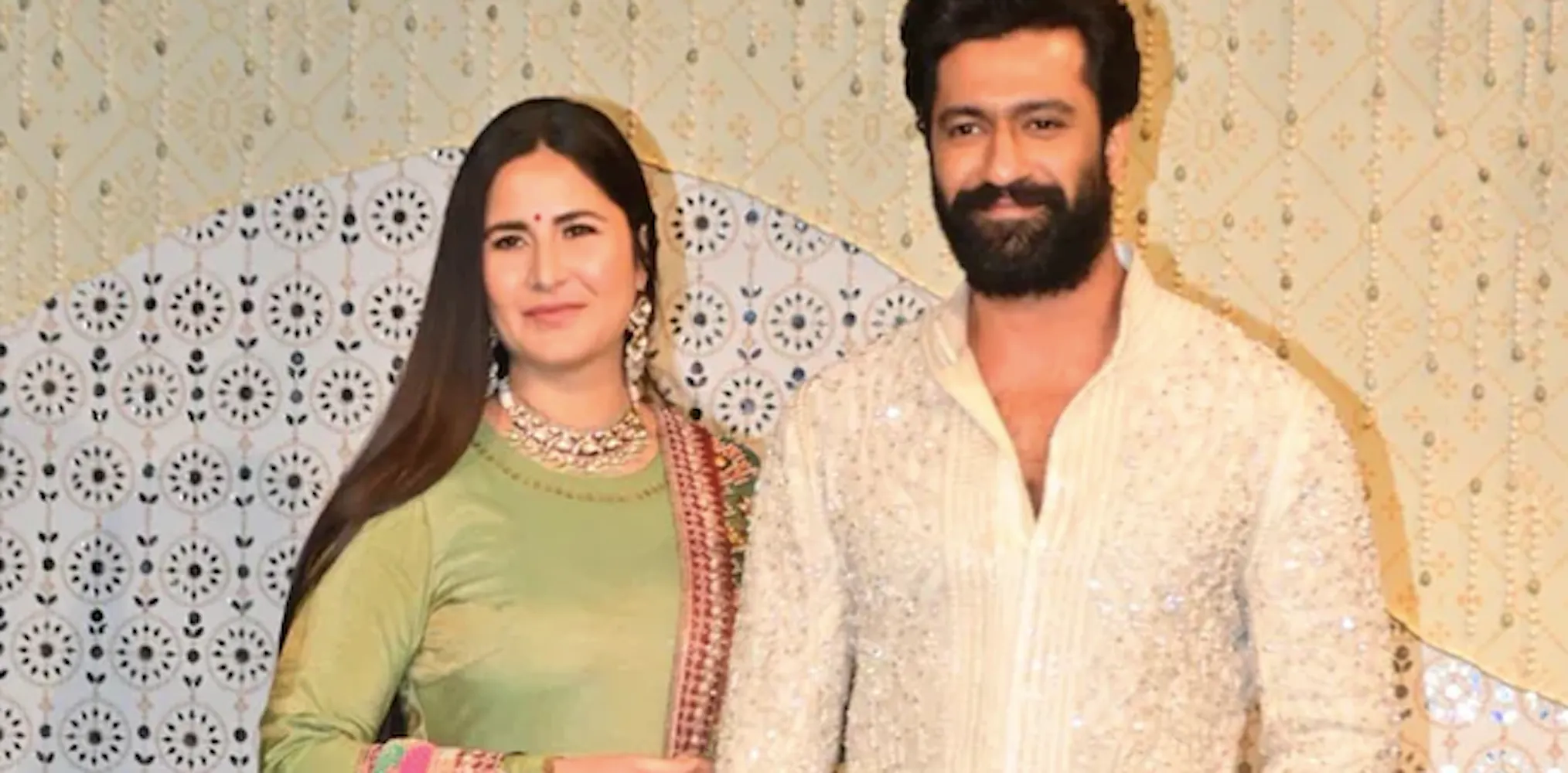
In an age where social media reigns supreme, the scrutiny faced by women, particularly those in the spotlight, has reached an alarming level. Recently, Bollywood actress Katrina Kaif became the target of harsh body-shaming comments following her public appearance after giving birth. As she stepped out with husband Vicky Kaushal at a high-profile event, critics quickly seized the opportunity to disparage her post-pregnancy physique, dismissing her talent and accomplishments in favor of superficial judgments about her appearance. The vitriol was palpable, as comments erupted across platforms suggesting she needed to return to the gym, disregarding the monumental journey she had just undertaken as a new mother. This incident underscores a troubling societal obsession with policing women's bodies, particularly those of new mothers.
Several actresses, including Delnaaz Irani, Shikha Pandey, and Gulfam Khan, have rallied to Kaif's defense, passionately denouncing the toxic culture of body-shaming that permeates the entertainment industry and beyond. In an exclusive interview, Irani expressed her outrage, questioning the insensitivity of those who prioritize a woman’s physical appearance over her incredible ability to create life. She lamented the relentless public scrutiny every woman faces regarding her body, particularly postpartum, emphasizing that recovery should take precedence over weight loss. Similarly, Pandey highlighted the need for kindness and understanding, arguing that societal expectations placed on women during and after pregnancy are both unrealistic and damaging.
The backlash against Kaif also raises broader questions about the standards imposed on women across various walks of life, particularly in an industry that once celebrated their achievements. The pressure to conform to an idealized image can be overwhelming, as seen with past incidents involving prominent figures like Aishwarya Rai and Kareena Kapoor Khan, both of whom faced intense scrutiny during their transitions into motherhood. The dialogue surrounding their bodies, as well as Kaif's, reveals a disturbing trend that reduces women's identities to mere physical appearances, overshadowing their professional accomplishments and personal journeys. It begs the question of why society feels entitled to comment on the physical form of women who have just undergone significant life changes.
Gulfam Khan further elaborated on the issue, calling for a cultural shift in how women's bodies are perceived, especially during transformative phases such as pregnancy. She criticized the expectation that women should snap back to their pre-pregnancy forms almost immediately, asserting that each woman's experience is unique and should not be subjected to comparison. Khan's sentiments resonate with a growing collective consciousness that seeks to dismantle the harmful narratives surrounding women's bodies. As these actresses continue to challenge the status quo, they not only advocate for Katrina Kaif but also for countless women who are unfairly judged based solely on their appearance, underscoring a critical need for empathy and respect in a world that often prioritizes physicality over humanity.