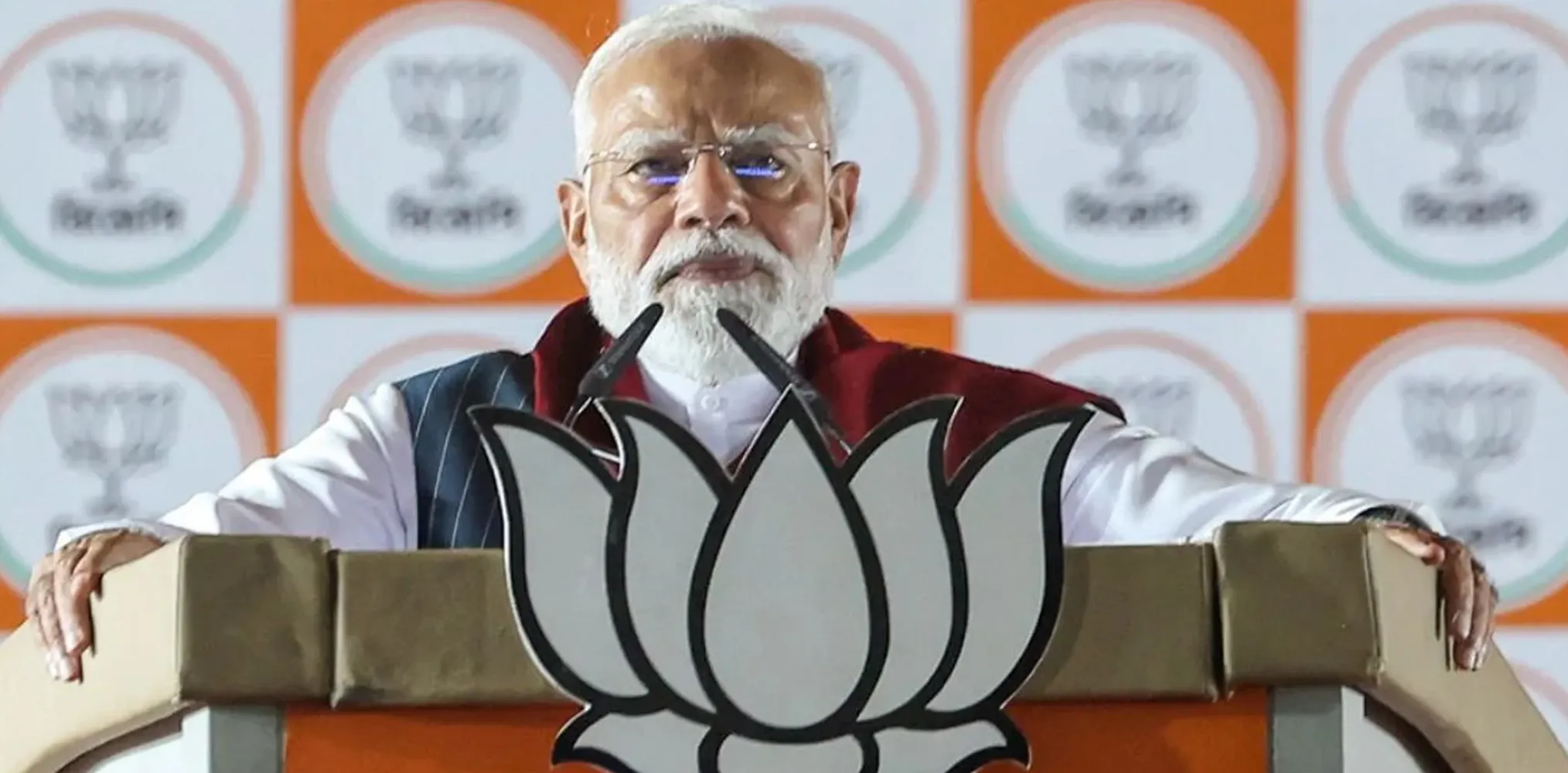
“When power feels itself waning, it ceases to govern through administrative competence and begins to rule through the spectacular production of enemies” — Hannah Arendt, political theorist
This profound insight captures a time-tested truth of political statecraft: when a ruling establishment senses its grip slipping, it quietly abandons the hard work of good governance and retreats into the theater of fear. It is the ultimate political magic trick, an elaborate prime-time melodrama populated by manufactured villains, designed to keep the public too distracted or frightened to notice a legacy of unfulfilled promises. After all, when you can no longer convincingly play the competent hero, your only option left is to turn the other side into a terrifying monster.
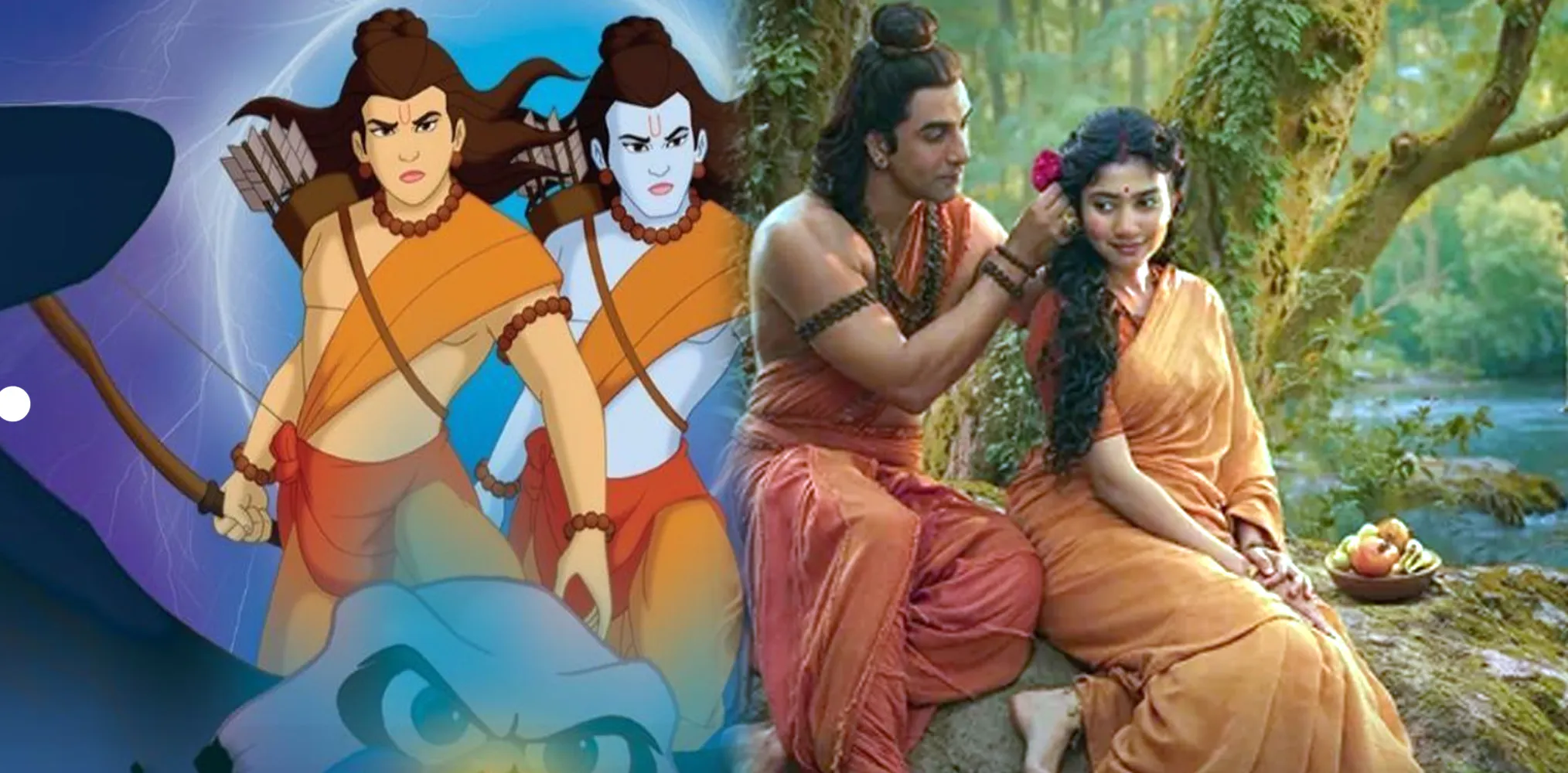
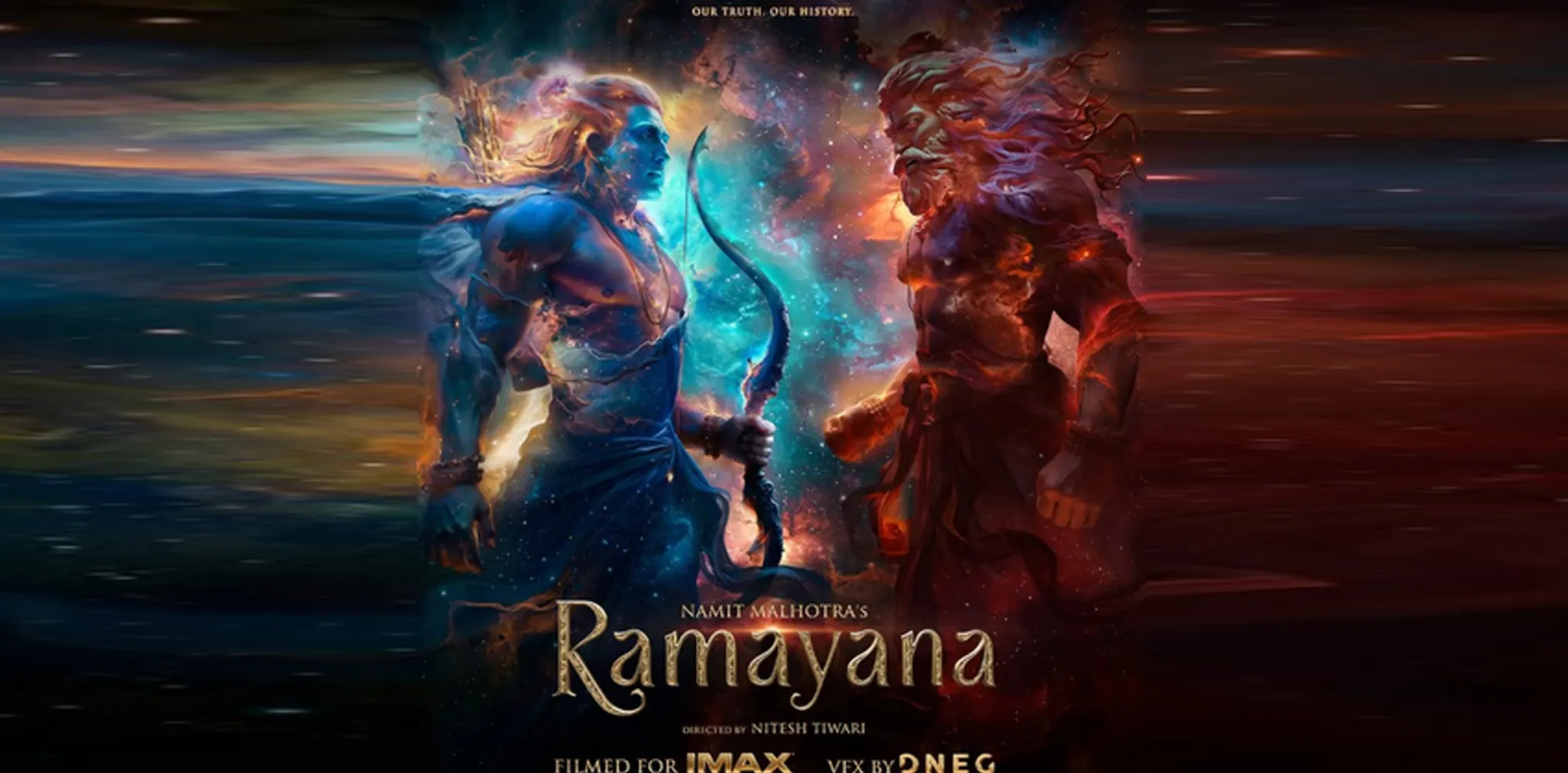
If the early focus on reactions for Ramayana: Rise of a Legend are any indicator, the villain has somehow walked away with the spotlight. The KGF superstar, normally celebrated for playing a rugged, macho kind hero, is suddenly pulling higher approval ratings as the ten-headed antagonist than the designated protagonist. For a mega-budget, VFX-engineered project designed specifically to crown Lord Rama as the ultimate box-office sovereign, having the audience cheer louder for the guy in the villain's camp is a bit of a public relations crisis for the production house. It turns out that when the antagonist character’s screen presence completely eclipses the script, the main character is left standing in the shadows.
Naturally, this cinematic plot twist mirrors the developing narrative on the Indian political screen. For years, the Ruling Party’s Supreme Leader operated on the absolute certainty of an ironclad, unshakeable popularity, operating under the comfortable premise that the opposition was entirely irrelevant. Yet, much like the movie, the Opposition Leader has recently started hogging the prime-time cameras, disrupting the carefully managed script, and winning the all-important perception battle. It turns out that when you spend all your time styling the perfect hero, you accidentally give your opponent the best lines in the script.
The Supreme Leader’s frantic reactions to the opposition’s "vote theft" campaign made it crystal clear that the entire state-sponsored propaganda machinery had officially lost the plot. Instead of running the usual flawless victory lap, they found themselves desperately lag-jumping behind the perception curve, scrambling for a counter-campaign that didn't sound completely defensive.
Meanwhile, following the recent setbacks to Trump in the US Midterm elections, the BJP's WhatsApp University warriors quickly pivoted, forwarding a meme captioned, “POTUS may be temporary, but LOTUS is permanent”, a rhetorical spin-off of the bombastic, albeit, ironically insecure “Modi Kahi nahi Jaayega” noise.
It makes a splendid political slogan, perfectly in line with many such theatrical utterances of the past, except the warriors completely failed to notice that the sacred Lotus has actually started wilting. The grassroots rebellion against the Special Intensive Revision (SIR) of electoral rolls has officially graduated from mere urban debate club chatter into a full-blown rural discontent.
Nowhere is this desperation more visible than in the dramatic transformation of the Union Home Minister. A man who once casually dismissed the entire SIR outcry as mere background noise from the floor of the Parliament has suddenly pivoted to high-stakes political theater, loudly daring the opposition to a duel over the electoral rolls on a specially convened house floor. It is a spectacular shift in choreography; the ruling party is no longer ignoring the noise, in fact, they are practically begging for it. Clearly, the wilting Lotus has realized that the sunny days of unchallenged dominance are over, and it is frantically performing a rain dance in Parliament, hoping a few favorable showers of debate will help it regain its lost blossom.
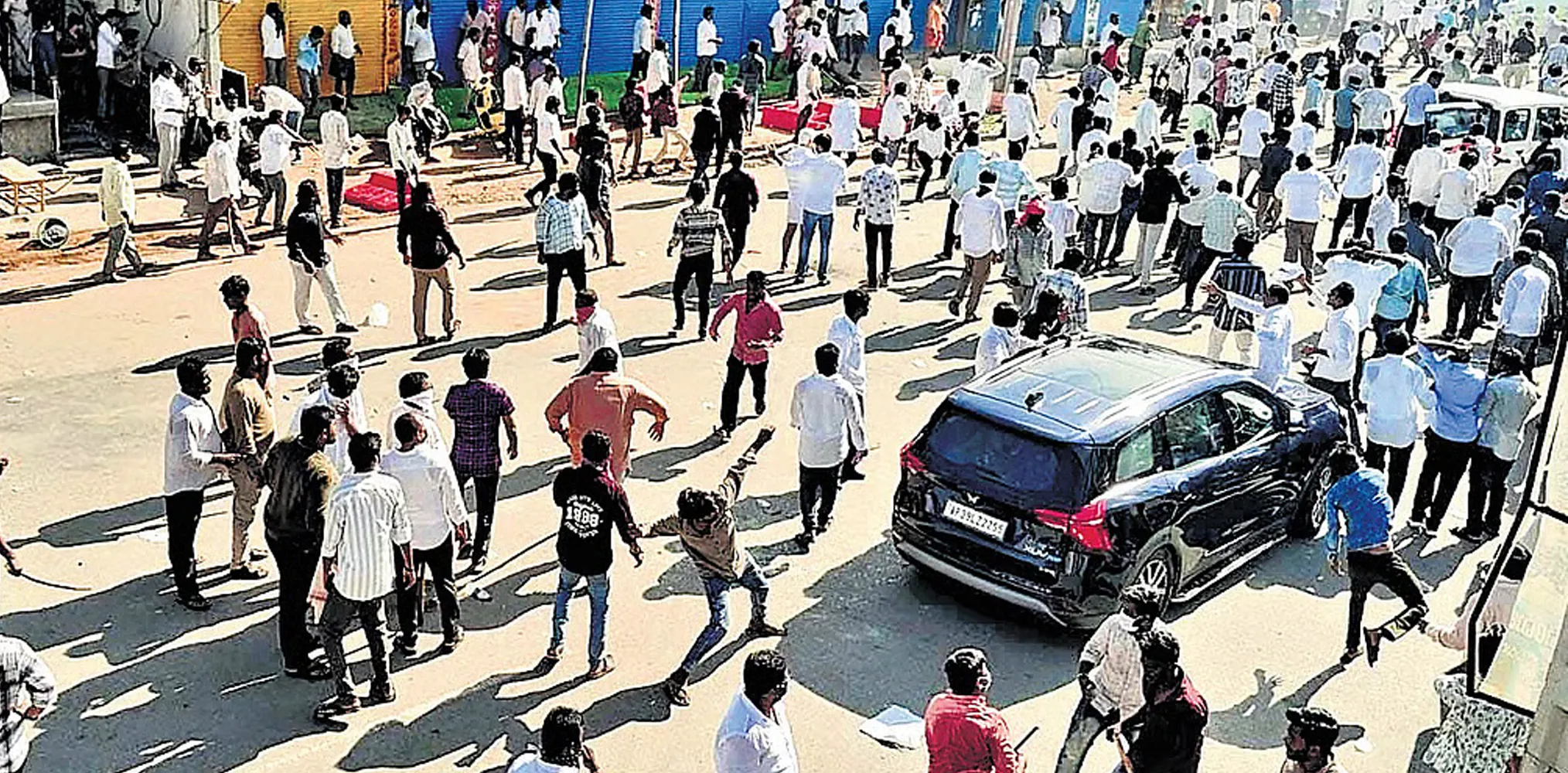
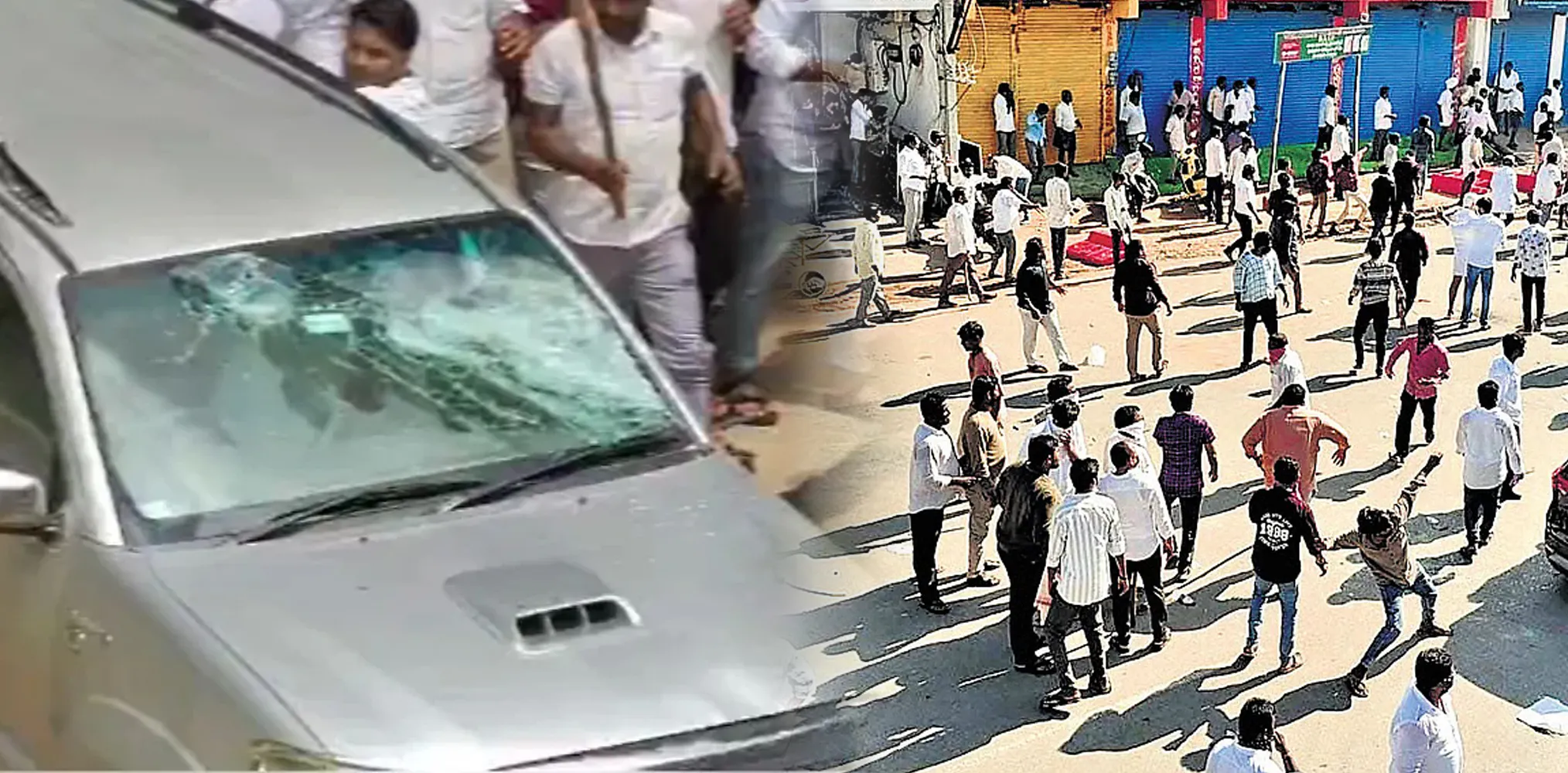
On the other hand, nowhere else in the democratic world does an elected government frantically hit the streets itself, desperately rallying its own subjects with slogans like "Save Democracy" and "Defeat Anarchy", a stabilizing task it is literally already empowered and expected to perform from the halls of power.
To desperately win back this perception battle and lock down its core voter base, the party has dialed its time-tested ideological propaganda amplifier to maximum volume, routinely branding the Opposition as both "anti-national" and "anti-Hindu." The official script now wildly alleges that the Opposition is plotting a sinister "regime change" at the behest of shadowy "foreign forces" out to destabilize the nation.
Naturally, these blockbuster allegations come with absolute zero evidence, remaining stuck as mere rhetoric with zero legal action. If anything, the breathless finger-pointing inadvertently exposes the sheer incompetence of the Union Home Ministry, the very department tasked with keeping tabs on such subversion and accumulating the required evidence to help the ruling party initiate formal legal action against these so-called anti-national forces.
Thus, it leaves the audience wondering: why the government, which commands a sprawling apparatus of intelligence and Central investigating agencies, finds it so convenient to settle for dramatic prime-time monologues. If they actually possess the concrete evidence, one wonders why the state machinery remains entirely stuck to theatrical diatribes instead of initiating actual criminal procedures under sedition laws. But of course, why let legal logic spoil a perfectly good prime-time melodramatic propaganda?
In a nutshell, the political theater has collapsed into a classic case of projection, where the ruling party’s frantic script-rewrites and ideological megaphone-blaring only amplify its deep underlying insecurity. In their relentless quest to micro-manage the narrative, they have entirely lost control of the audience’s gaze. By transforming a serious administrative debate into a prime-time soap opera, the invincible ruling alliance has inadvertently handed the momentum straight to "Pappu", the very euphemism they once so cheerfully manufactured to label the opposition leader.
They are now painfully learning the golden rule of both Indian cinema and modern political theater: "Hamari film ke hero aap hain, toh villain bhi hum hi chunenge" (If you are the hero of our film, then we get to choose the villain too). Unfortunately for the production house, the audience appears to have shifted its attention to the antagonist, leaving the Supreme Leader holding a wilting flower in a theater where the script has gone completely off-track.