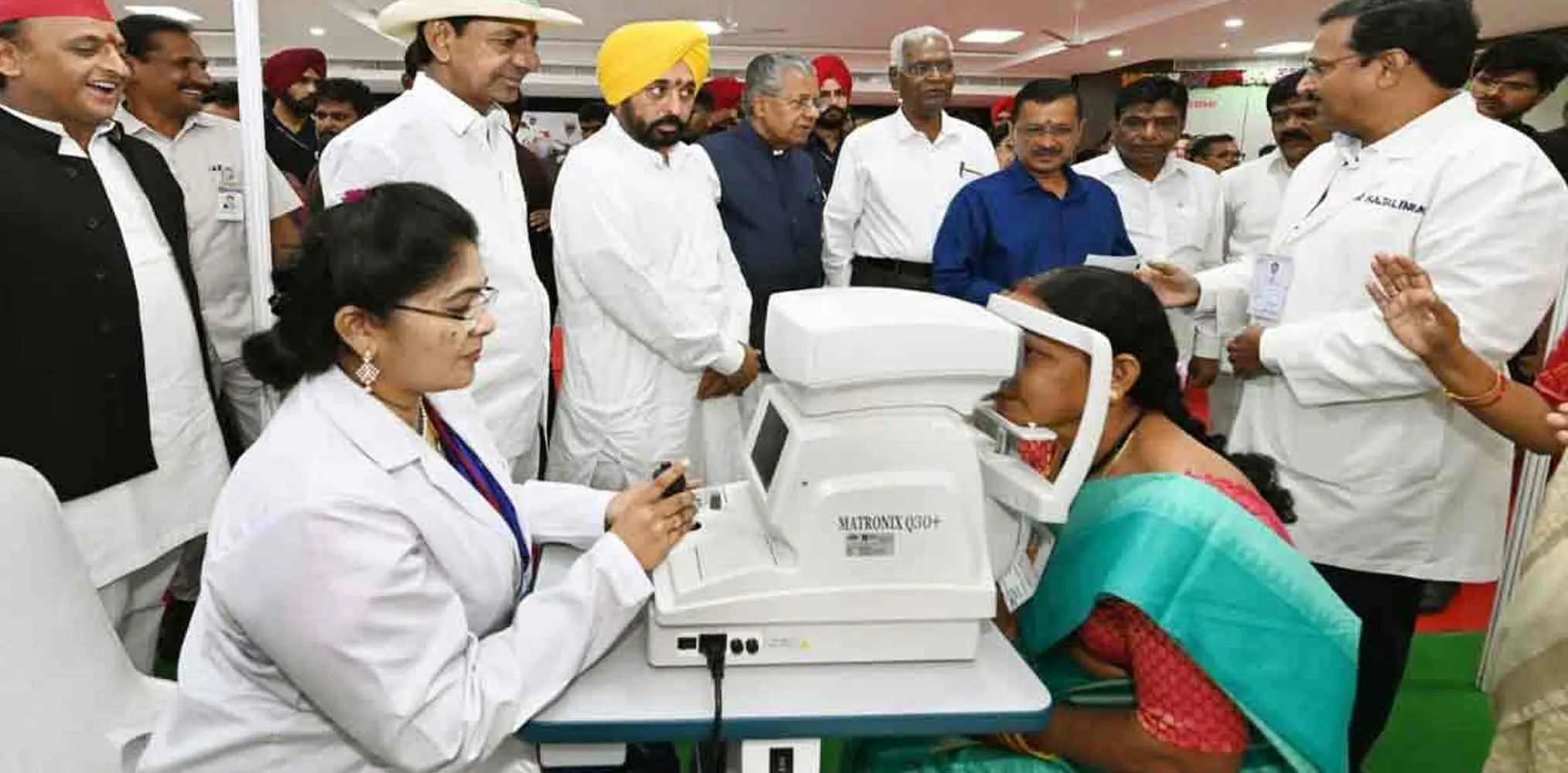
As diabetes continues its relentless rise across India, the threat of diabetic retinopathy looms large, often unnoticed until it’s too late. Over 21 million Indians are at risk of developing this insidious condition, which quietly deteriorates vision without pain or clear symptoms. By the time individuals recognize blurred vision or other warning signs, irreversible damage may have already occurred, making routine screening essential in the battle against preventable blindness.
Diabetic retinopathy affects the delicate retina, the tissue responsible for converting light into the visual signals that shape our world. When blood sugar levels remain elevated over time, the tiny blood vessels in the retina can weaken and leak, leading to potential vision loss. This condition can progress without any noticeable symptoms, which is why healthcare professionals emphasize the importance of early detection through regular retinal exams. According to the Indian Council of Medical Research (ICMR), more than 101 million Indians currently live with diabetes, underscoring the urgent need for a paradigm shift in how diabetic eye health is managed across the nation.
The pathophysiology of diabetic retinopathy is often exacerbated by a lack of awareness among patients and medical practitioners alike. Dr. Vishali Gupta, President of the Vitreo Retina Society of India, highlights a critical gap: many individuals postpone eye examinations until vision impairment is evident, often overlooking the crucial role that proactive diabetes management plays in eye health. “Preventing blindness starts with strict diabetes control, routine screening, and standardized referral pathways,” she asserts. Without integrating eye health into comprehensive diabetes care, the risk of irreversible vision loss only increases, leaving patients vulnerable to a preventable fate.
A concerted effort is needed to treat diabetic retinopathy not just as an eye issue but as a significant public health challenge. Dr. R Kim from Aravind Eye Hospital advocates for the integration of retinal screening into broader healthcare protocols, akin to regular blood sugar monitoring. The adoption of artificial intelligence in screening processes presents an innovative solution for improving early detection, particularly in underserved regions. By prioritizing education, routine screenings, and interdisciplinary cooperation within the healthcare system, India can take essential steps toward mitigating the looming threat of diabetic blindness.