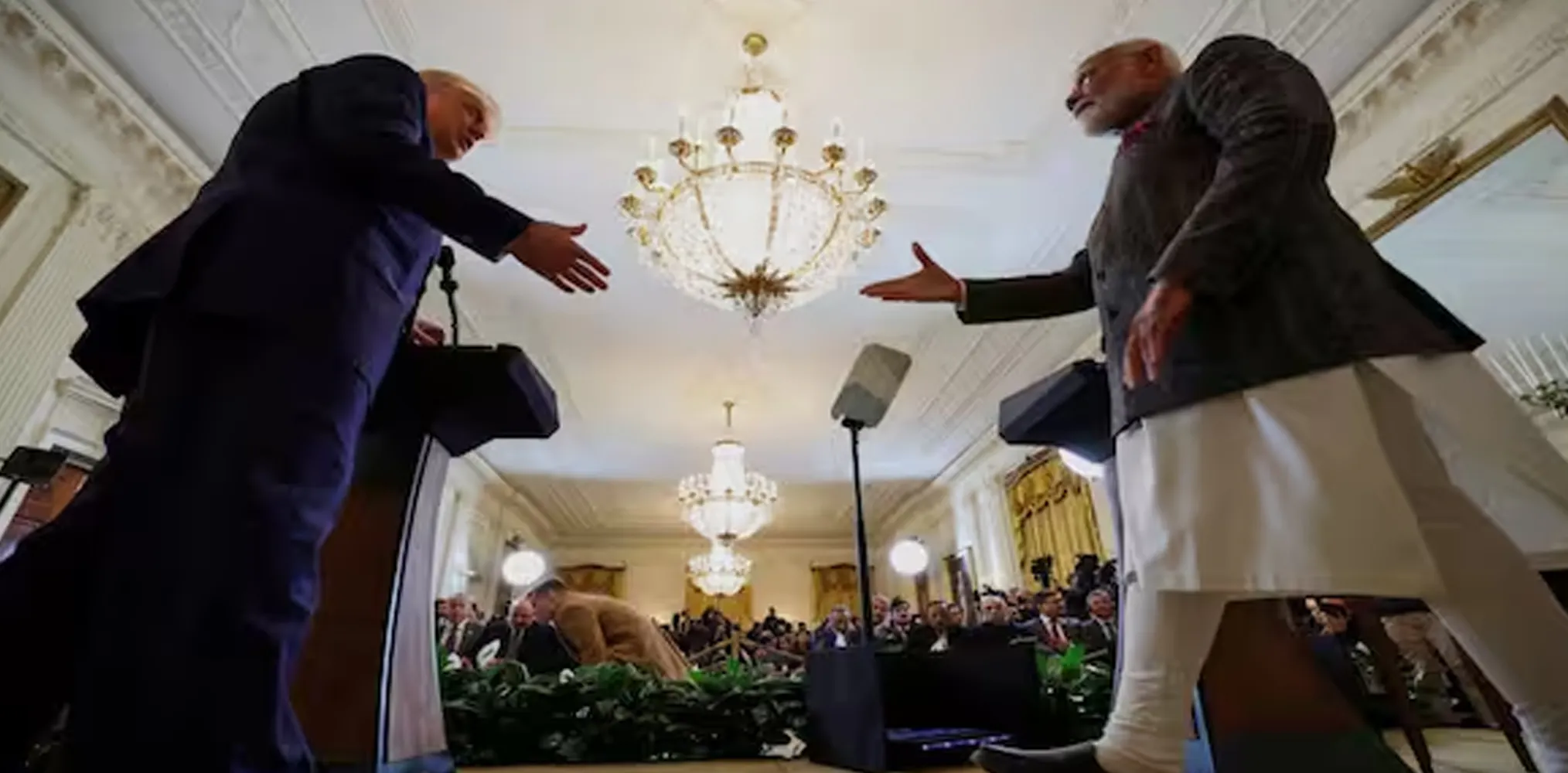
“In the marketplace of global power, a trade deal signed at the cost of sovereignty is not a victory, it’s, but, a surrender"
“Koyi tho jhoot bol raha hai” (Someone is definitely lying).
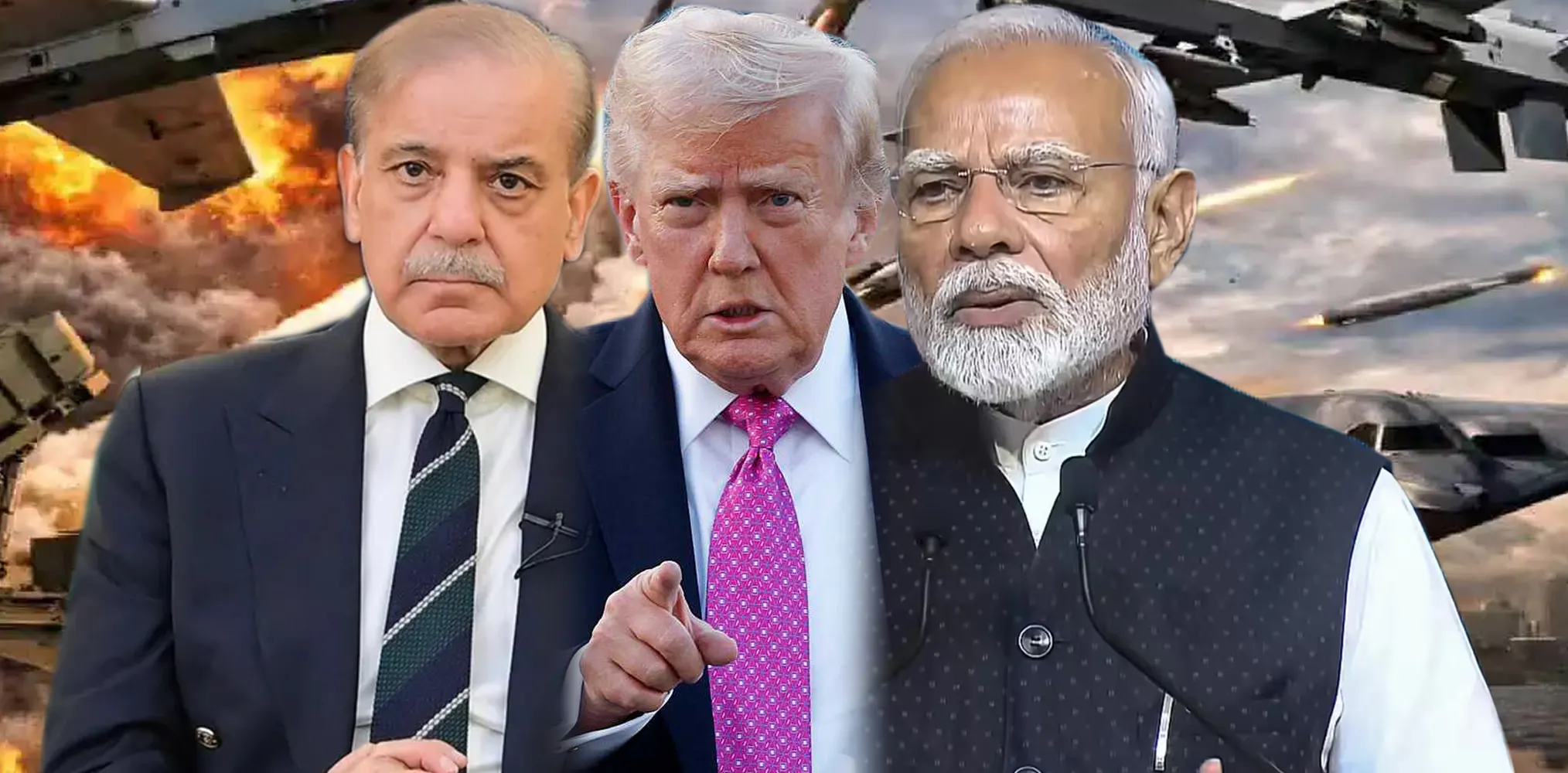
A thick cloud of suspicion now hangs over the Indo-US trade framework as contradictory narratives from Washington and New Delhi leave the public in a state of confusion. The central question remains: who is telling the truth?
The storm broke when US Secretary of State Marco Rubio declared that India had formally committed to freezing Russian oil imports in response to new US sanctions.
Yet, in a jarring contrast at the same summit, External Affairs Minister S. Jaishankar clung to the rhetoric of "strategic autonomy," avoiding any confirmation that India’s hand had been forced.
While the Ministry of External Affairs (MEA) attempts to hide behind diplomatic jargon like "recalibrating dynamics," they have failed to provide a straight answer to the ultimate concern: Has India’s energy independence been mortgaged to satisfy US demands?
The halls of Parliament are currently a battlefield. The Opposition has launched a relentless assault, accusing the administration of caving to American blackmail.
Despite the Chair’s threats to expunge the record, the Leader of the Opposition (LoP) linked the government's perceived weakness to external pressures, citing the Epstein files and US-based legal cases against major Indian conglomerates.
The accusations are grave: the Opposition alleges that the "Supreme Leader" has allowed Washington to weaponize India’s energy and financial sectors against its own citizens just to safeguard the ruling party's interests. This isn't just a trade dispute; it’s being framed as a shift toward a brand of "authoritarian neoliberalism" where national interests are traded like corporate favors.
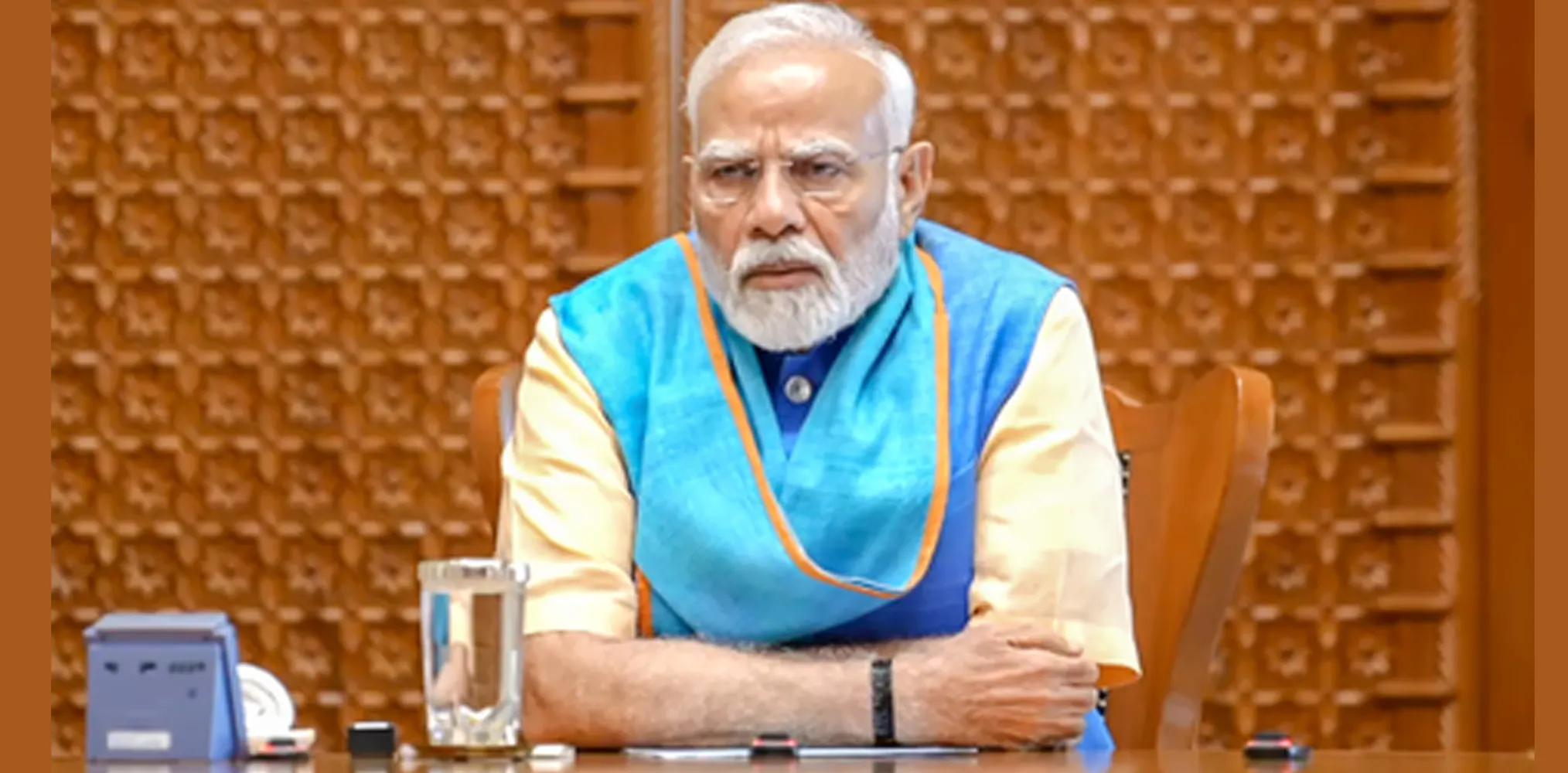
Rather than confronting these systemic concerns, the Treasury benches have reverted to their standard playbook: digging up Nehru-era grievances and attacking Congress history. Meanwhile, the Supreme Leader was notably absent from the debate, instead appearing in choreographed photo-ops on a National Highway, a move dismissed by critics as a "theatrical escape" from accountability.
Instead of clarifying if "Nation First" has been sacrificed for political survival, the government has turned its sights on the messenger. A privilege motion is being moved to silence the LoP, with some members calling for a permanent ban from the House.
The stakes for the Indian republic are massive. While the government celebrates the "father of all deals" as a diplomatic triumph, critics warn it is a blueprint for agricultural ruin and compromised autonomy. In this high-stakes game of geopolitical poker, the truth is being buried under layers of spin.
Koyi tho jhoot bol raha hai.