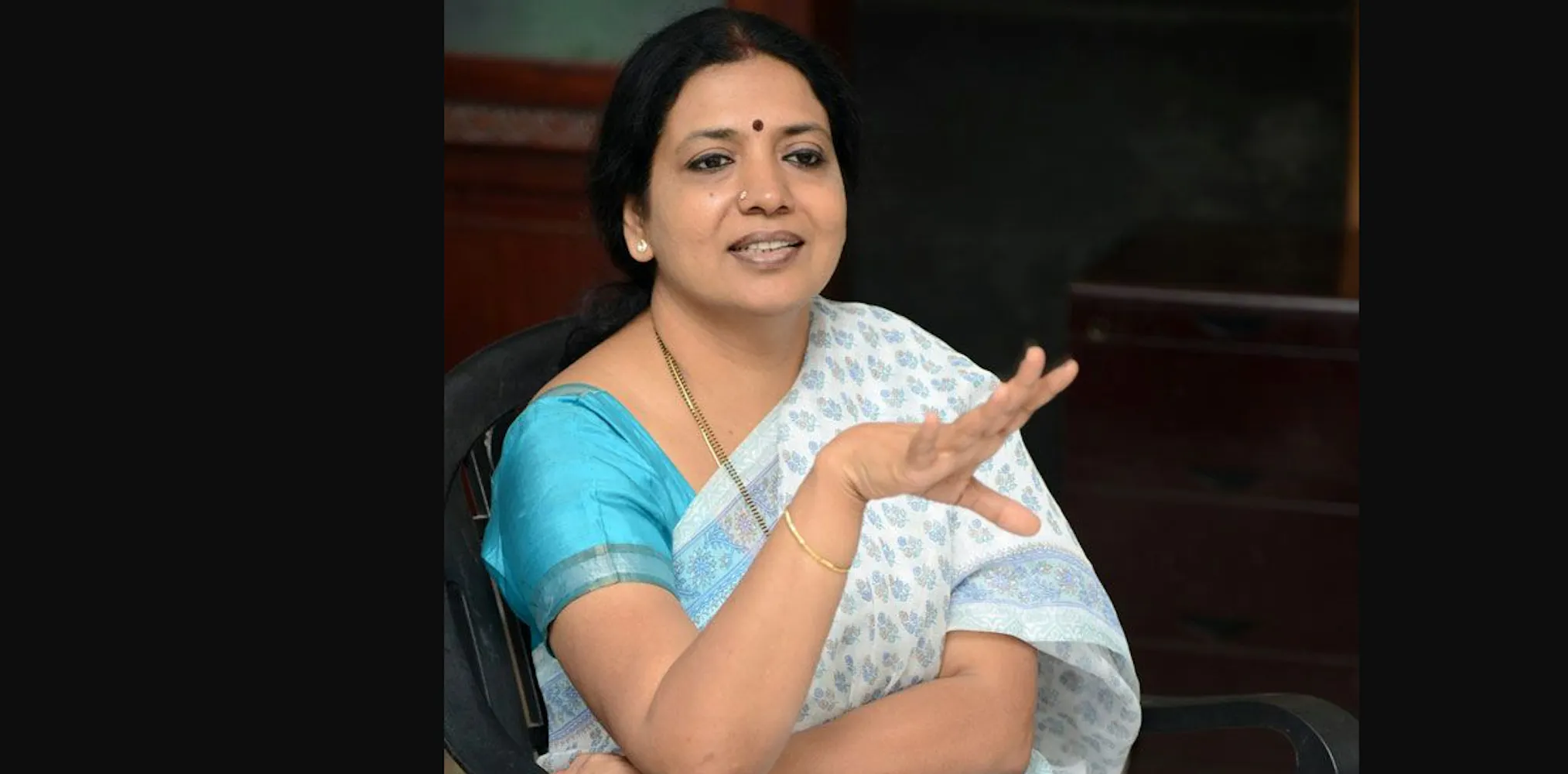
Jeevitha Rajasekhar's recent remarks on men's affairs have reignited a conversation that extends far beyond the lives of celebrities. Whether made in the context of personal experience or as a broader observation, the comments touch upon an uncomfortable reality that exists across society. For decades, male infidelity has often been dismissed as a "mistake," a "phase," or simply "a man's nature," while women in similar situations have faced far harsher judgment. Such contrasting attitudes reveal how deeply rooted double standards continue to shape public perceptions of relationships, loyalty, and accountability.
The film industry is no stranger to stories of broken marriages, affairs, and public controversies. However, these issues are not exclusive to cinema—they reflect wider societal attitudes. What changes is the level of scrutiny. Celebrities live under a microscope, where every personal revelation becomes a headline and every family dispute becomes public discussion. Yet the underlying lesson remains universal: relationships thrive on trust, honesty, and mutual respect. When that trust is broken, the emotional consequences affect not only spouses but also children, families, and professional lives. Excusing infidelity simply because it involves a successful or influential man sends the wrong message and normalizes behavior that damages relationships.
Perhaps the most important takeaway from Jeevitha's remarks is the need to move beyond stereotypes and place equal responsibility on both partners in a relationship. Loyalty cannot be a one-sided expectation, nor should society celebrate or excuse betrayal based on gender. Healthy marriages are built on commitment, communication, and accountability—not on outdated notions that grant one gender greater freedom than the other. Public conversations on this subject should encourage respect and responsibility rather than sensationalism, because the issue is not about celebrities alone; it is about the values that shape relationships in every home.