"Hum ko un se wafa ki hai Umeed/Jo nahi jaante wafa kya hai”( We expect fair play from those who do not even know the meaning of fair play)"
Ghalib’s famous words serve as a warning that has echoed through history. While he wrote them about a broken heart, in politics, they describe the irony of a leader offering a "solution" that is actually a hidden trap.
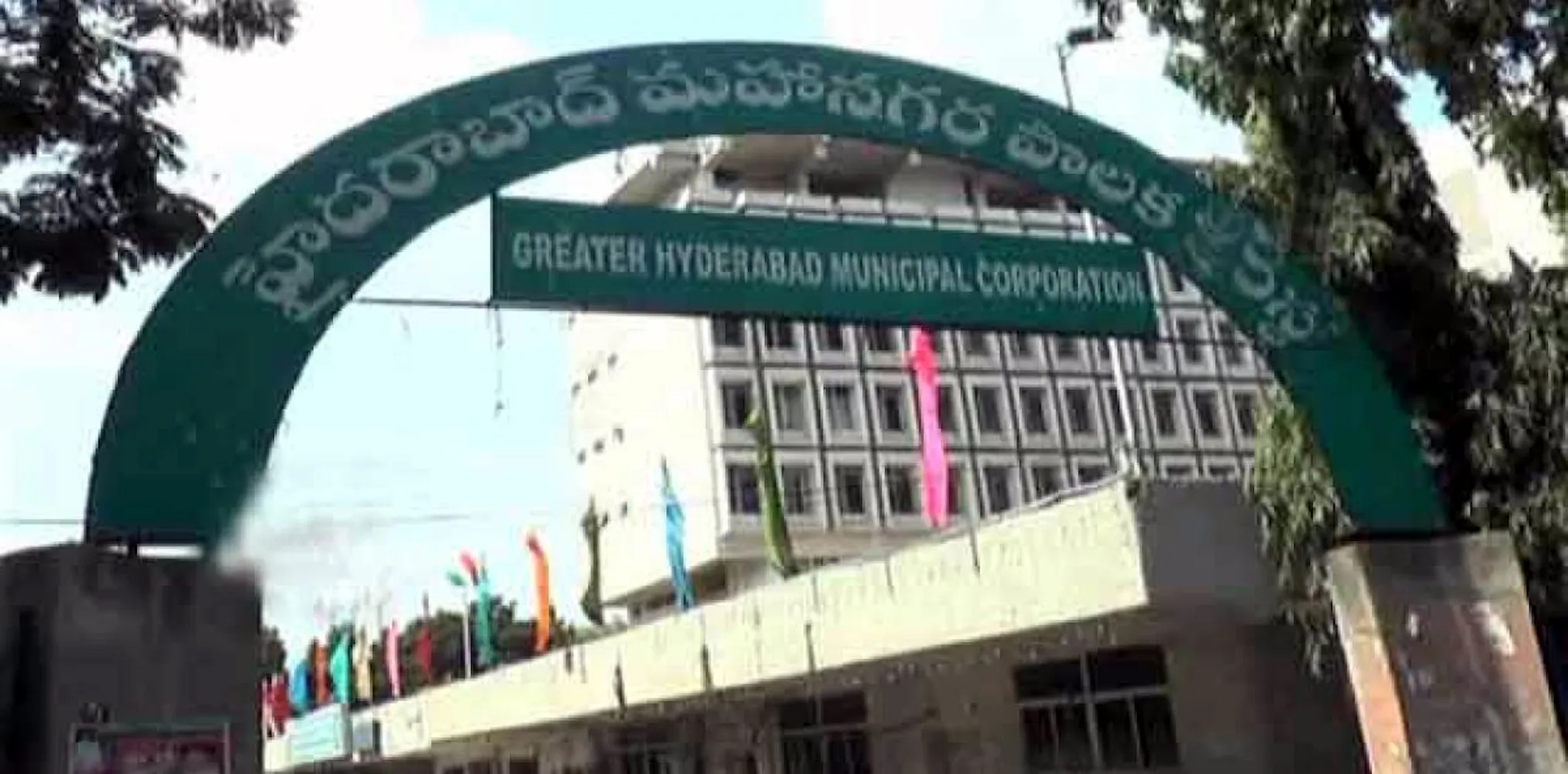
Today, this sentiment finds a modern parallel in the Congress-led Telangana government’s effort to redraw the map of the Greater Hyderabad Municipal Corporation (GHMC). Though framed as a fix for urban chaos, the move carries the weight of a strategic gamble disguised as reform.
This mirrors the past, specifically Lord Curzon’s 1905 decision to split Bengal.
In 1905, Curzon partitioned Bengal into Hindu-majority and Muslim-majority zones. He marketed it as a masterstroke of "administrative efficiency," claiming the province was too large to govern. In reality, it was a surgical strike designed to fracture political opposition and weaken the combined strength of the people.
The move backfired spectacularly. Instead of breaking the public, it acted as a catalyst for unprecedented national unity, radicalising the freedom movement and pushing Indians toward bold action. By 1911, the British were forced to annul the partition due to massive political blowback.
Today, the Congress led Telangana government is using that same "better management" excuse to split the GHMC into three corporations: Hyderabad, Cyberabad, and Malkajgiri.
While proponents argue that decentralisation is a technocratic necessity for a global hub, critics see the same old political trick returning to the Deccan under a new name.
Having failed to win any of the 24 city-based Assembly seats in 2023, the Congress government is attempting to "rearrange the board." By absorbing 27 suburban municipalities, areas where Congress has a stronger foothold, they hope to dilute the urban dominance of the BRS and BJP.
The move also carries a heavy communal subtext.
By keeping the historic core intact, critics argue the government has "ring-fenced" the AIMIM’s bastion, allowing them to remain a dominant "kingmaker."
This would give the BJP a powerful narrative to further a campaign that this isn't city planning, but the creation of a "safe zone" for the AIMIM.
This propaganda would allow the BJP to push its Hindutva agenda, framing the split as a tactical surrender by Congress just to survive in the city.
Just as Curzon’s plan birthed a unified resistance, this trifurcation could backfire.
If the suburban voters don't deliver for Congress, or if the cost of three separate bureaucracies leads to financial paralysis, the plan fails.
More dangerously for the architects from the political front, it may force a tactical alliance between the BRS and BJP or a communal propaganda tool in their hands, turning a local civic issue into a subtly unified crusade against the Congress’ politics.
As Hyderabad heads toward the August 2026 elections, the Congress must wonder: have they designed a masterclass in governance, or have they simply lit the fuse on a political boomerang that is destined to hit its architect?