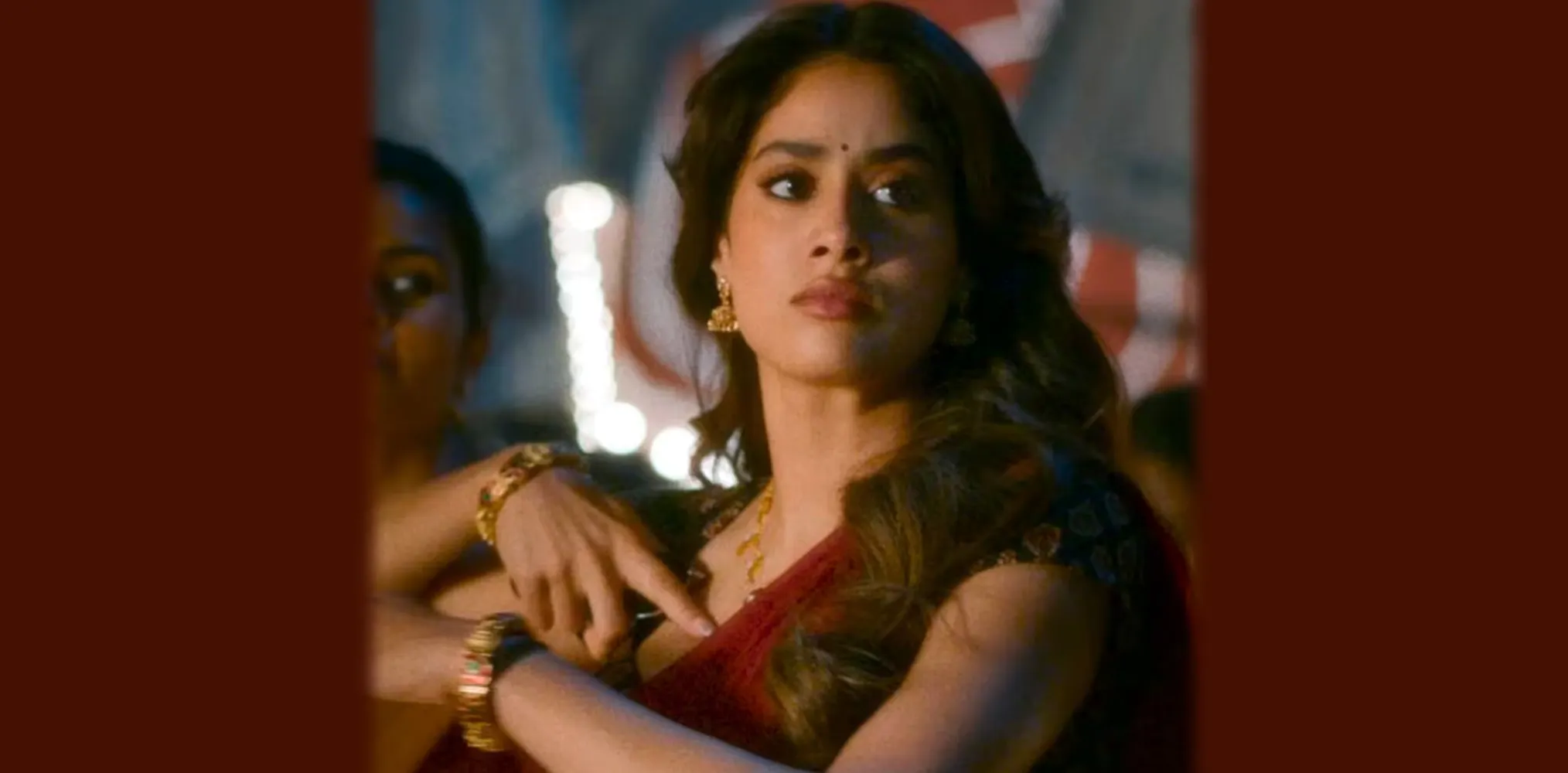
In a significant legal move, Bollywood actress Janhvi Kapoor has sought the intervention of the Delhi High Court to safeguard her personality rights amid a disturbing rise in deepfake content and impersonation accounts. Kapoor's petition addresses the proliferation of objectionable materials that exploit her image and likeness without consent. Justice Anup Jairam Bhambhani, presiding over the case, signaled a willingness to issue an immediate order for the removal of explicitly obscene content, underscoring the judiciary's proactive stance on protecting individual rights in the digital age.
As the court session unfolded, the complexity of the situation emerged, particularly regarding the nature of fan pages and social media accounts linked to Kapoor. Justice Bhambhani raised critical questions about the feasibility of imposing blanket restrictions on these platforms, drawing attention to the delicate balance between a celebrity's right to protect their image and the fundamental principles of free speech and legitimate criticism. Kapoor's counsel, Advocate Asav Rajan, emphasized the gravity of the situation, citing numerous instances of sexualized content and fake profiles that misrepresent the actor, thus raising issues of both personal and commercial exploitation.
This case occurs against the backdrop of escalating concerns over digital impersonation and the misuse of artificial intelligence technologies to create misleading content. The rise of deepfakes—hyper-realistic video or audio fabrications generated by AI—poses an increasing threat not only to personal reputations but also to public trust in media. Kapoor's legal team has presented over 4,000 URLs containing contentious material, illustrating the magnitude of the digital landscape's exploitation of her persona. Legal experts suggest that the outcome of this case could set precedent for how celebrity rights are interpreted and enforced in the context of rapidly evolving digital technologies.
The court's deliberations now hinge on categorizing the disputed content to determine the appropriate legal remedies. Advocate Varun Pathak, representing Meta platforms, acknowledged certain materials as objectionable, yet argued against a sweeping classification of all fan-generated content. The court’s cautious approach, as articulated by Justice Bhambhani, highlights concerns that an expansive interpretation of personality rights could inadvertently stifle free expression and artistic critique, emphasizing the need for a nuanced legal framework to navigate these complex digital dilemmas.