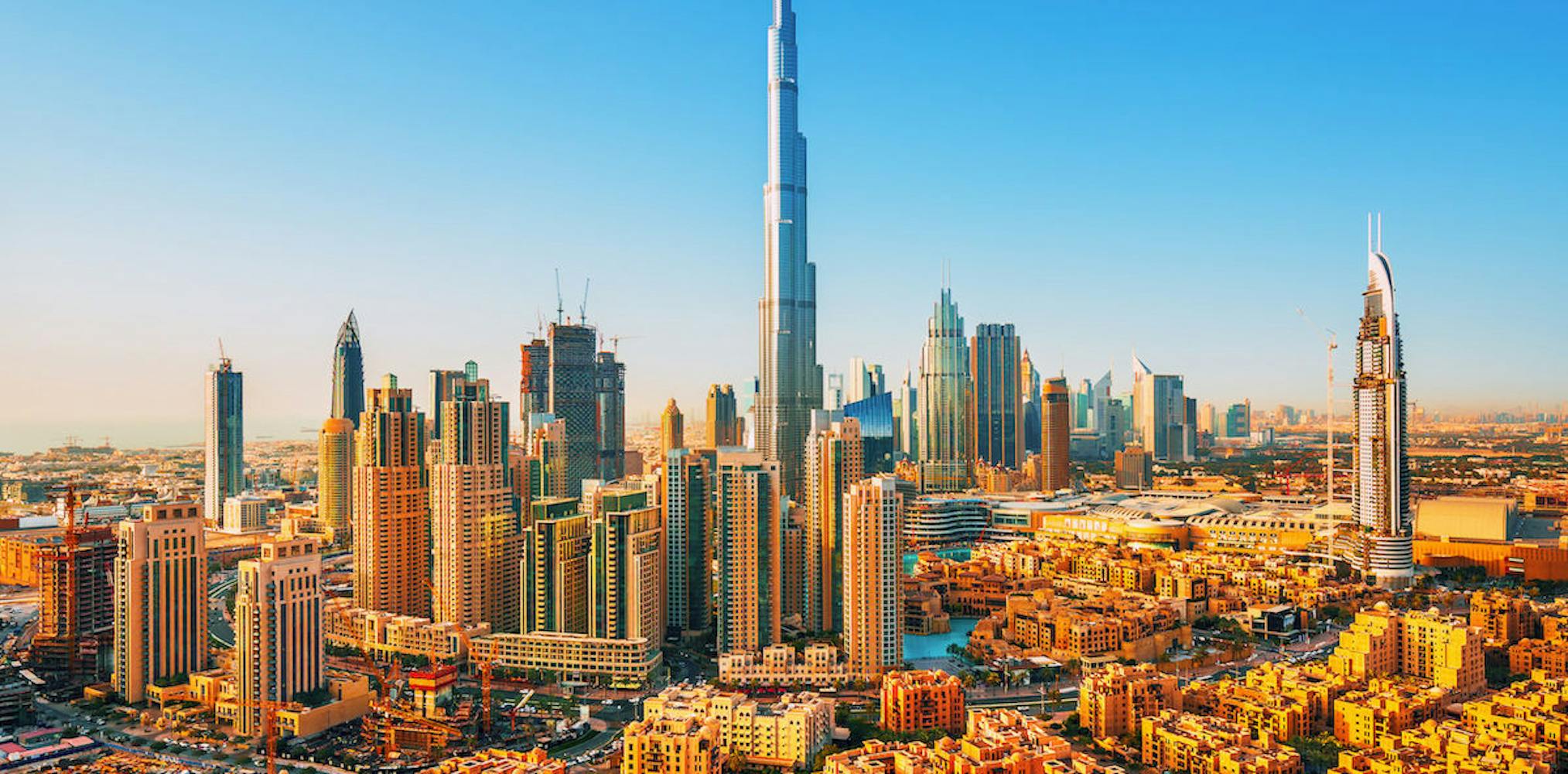
Dubai, known for its tax-free living, political stability, and luxury, faced a significant challenge when Iranian missiles and drones struck parts of the United Arab Emirates, including high-profile sites in Dubai. The attacks not only caused physical damage but also punctured the perception of invulnerability that has underpinned Dubai’s rise as a global wealth magnet. The city's appeal has always been based on offering a contrast to regional volatility, projecting itself as calm, efficient, and secure, making it a top hotspot for high-net-worth individuals. However, the recent geopolitical shock has led to a pause in decision-making in the real estate sector, impacting Dubai’s property market.
The Indian community, which has been a significant contributor to Dubai’s transformation into a global wealth hub, is also closely watching the situation. The strikes have forced a reassessment among Indian families relocating to Dubai, particularly concerning safety and security. Additionally, the attacks have raised questions about the perceived risk for Western high-net-worth individuals considering Dubai as a relocation destination.
Despite the shock, several structural pillars of Dubai’s economy remain intact, providing a cushion against short-term sentiment. The distinction between short-term sentiment and long-term fundamentals is crucial for Dubai's future. The city's tax regime, connectivity, residency reforms, and family infrastructure continue to remain attractive, reflecting its deep structural advantages.